
Hello folks!
BPA stands for bisphenol A, an industrial chemical that has been used to make certain plastics and resins since the 1950s. BPA is used to make clear, hard plastics and epoxy resins, and it is found in food containers, tableware, baby bottles and other common products. They may also be used in other consumer goods such as food cans, bottle tops, and certain water supply lines. Some dental sealants and composites also may contain BPA. Research presented at the American Diabetes Association’s 84th Scientific Sessions suggests that decreasing exposure to bisphenol A may reduce a person’s risk of developing Type 2 diabetes.
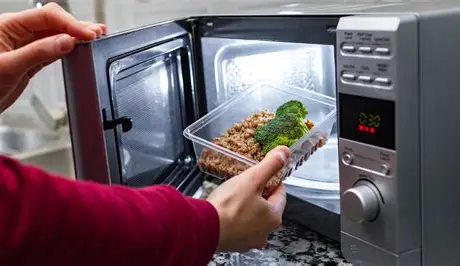
Other research has shown that BPA can seep into food or beverages from containers that are made with BPA. Exposure to BPA is a concern because of the possible health effects on the brain and prostate gland of fetuses, infants and children. It can also affect children’s behavior, causing ADHD further in their development. Additional research suggests a possible link between BPA and increased blood pressure, cancers, type 2 diabetes and cardiovascular disease.
However, the U.S. Food and Drug Administration (FDA) has said that BPA is safe at the very low levels that occur in some foods. This does not mean that you need to push your luck by adding more during the heating process.
WAYS TO AVOID BPA:
- Use BPA-free products: Manufacturers are creating more and more BPA-free products. Look for products labeled as BPA-free. If a product isn’t labeled, keep in mind that some, but not all, plastics marked with recycle code 3 or 7 may contain BPA.
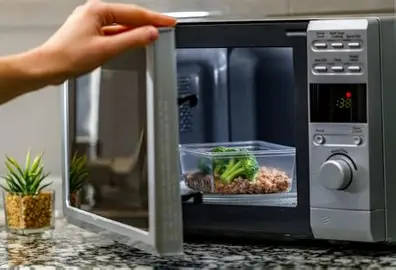
- Avoid heat: Don’t put plastic containers in the microwave or dishwasher, because the heat may break them down over time and allow BPA to leach into foods.
- Focus on fresh, whole foods: When you can, choose fresh whole fruits and vegetables.
- Use alternatives: Use glass, porcelain or stainless-steel containers for hot foods and liquids instead of plastic containers.

Stay jiggy folks!
For further reading:
Type 2 diabetes: Drinking from plastic bottles may raise risk (medicalnewstoday.com)