
close

wellness

GENERAL RESEARCHLIFESTYLE

A Critical Look at the Dietary Guidelines for Americans 2025–2030 Food Pyramids

Where the Science Aligns—and Where Concerns Remain

The Academy of Nutrition and Dietetics has formally acknowledged the release of the Dietary Guidelines for Americans (DGAs), 2025–2030, a document that shapes nutrition policy, federal food programs, clinical counseling, and public understanding of healthy eating for the next five years. As with previous editions, many of the recommendations are grounded in well-established nutrition science. However, the newly released food pyramids and accompanying guidance also raise several important concerns that warrant careful scrutiny.

This critique expands on the Academy’s position, highlighting both areas of alignment and points where the guidelines appear inconsistent with the current body of evidence or present challenges for practical implementation.

What the Academy Supports

1. Emphasis on Nutrient-Dense Foods

The Academy supports the continued focus on nutrient-dense foods, including fruits, vegetables, whole grains, legumes, nuts, and seeds. These foods are consistently associated with improved cardiometabolic health, reduced chronic disease risk, and better overall diet quality. Their prominent placement in the 2025–2030 food pyramids reinforces long-standing evidence that plant-forward eating patterns are beneficial across the lifespan.

2. Limiting Highly Processed Foods and Added Sugars

Another positive aspect of the DGAs is the recommendation to limit ultra-processed foods and added sugars. Excess intake of added sugars has been linked to obesity, type 2 diabetes, cardiovascular disease, and dental caries. Encouraging Americans to reduce sugar-sweetened beverages, refined snacks, and desserts aligns with decades of public health research and previous guideline iterations.

3. Saturated Fat Cap Remains at ≤10% of Total Calories

The Academy supports maintaining the long-standing recommendation that no more than 10% of total daily calories come from saturated fat, while encouraging the replacement of saturated fats with unsaturated fats such as those found in olive oil, canola oil, avocados, nuts, seeds, and fatty fish. This approach is supported by strong evidence demonstrating improvements in lipid profiles and reduced cardiovascular disease risk when saturated fat is replaced—not merely reduced.

4. Greater Attention to Fiber and Gut Health

The increased emphasis on dietary fiber and microbiome health reflects emerging science linking fiber-rich diets to improved glycemic control, cholesterol reduction, gut integrity, immune function, and potential mental health benefits. Highlighting whole plant foods as key fiber sources is a welcome and evidence-based advancement.

Where the Academy Has Concerns

1. Mixed Messaging on Saturated Fat

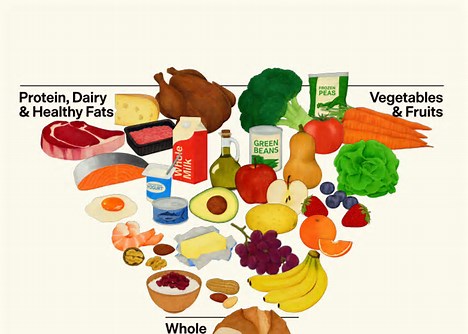
Despite maintaining the ≤10% saturated fat limit, the 2025–2030 DGAs place visible emphasis on foods such as butter, beef tallow, red meat, and full-fat dairy within the food pyramids. This creates a fundamental inconsistency.

The preponderance of evidence shows that these foods are significant sources of saturated fat, which is associated with increased LDL cholesterol and higher cardiovascular disease risk. While these foods can technically fit into a diet below the 10% threshold, their visual and narrative prominence risks confusing consumers and may undermine efforts to reduce saturated fat intake at the population level—particularly in communities already exceeding recommended limits.

2. Limited Consideration for Dairy Alternatives and Dietary Diversity

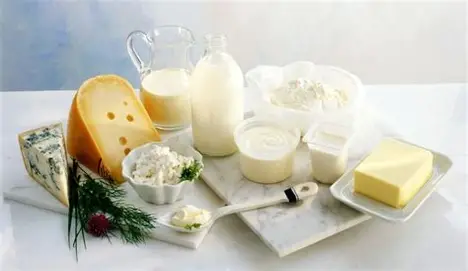
The new guidelines continue to center dairy as a core food group, with insufficient attention to individuals who cannot or choose not to consume dairy due to lactose intolerance, milk protein allergy, cultural dietary patterns, ethical preferences, or plant-based eating choices.

Millions of Americans; particularly individuals of African, Asian, Hispanic, and Indigenous descent, experience lactose intolerance. Failing to equally emphasize nutritionally adequate non-dairy alternatives (such as fortified soy beverages or other calcium- and vitamin D–rich foods) may reduce the inclusivity and applicability of the guidelines.

3. Caution Around Low-Calorie Non-Nutritive Sweeteners

The DGAs emphasize moderation and caution regarding low-calorie non-nutritive sweeteners, despite the fact that the current evidence base generally supports their safety when consumed within established acceptable daily intake levels.

While ongoing research is appropriate, framing these sweeteners as a concern without equally emphasizing their potential role in reducing added sugar intake may inadvertently discourage their appropriate use; particularly for individuals with diabetes or those working to reduce caloric intake.

4. Overgeneralization of Concerns About Synthetic Food Dyes

Consistent with the Academy’s Nutrition Fact Check, the evidence suggests that a small subset of children may be sensitive to certain synthetic food dyes, particularly in relation to attention or behavioral outcomes. However, the overall findings remain inconsistent, and causality has not been firmly established.

The DGAs’ tone risks overstating the evidence, potentially fueling unnecessary fear or confusion among consumers. More nuanced language acknowledging the limited and mixed nature of current research—while calling for further study—would better reflect scientific consensus.

Implications for Public Health and Practice

“Some of the recommendations in the DGAs are not aligned with the current body of evidence and will create challenges for implementation, particularly across federal nutrition programs that serve millions of Americans,” said Deanne Brandstetter, President of the Academy of Nutrition and Dietetics.

“Registered dietitian nutritionists and nutrition and dietetics technicians, registered, play a critical role in applying the DGAs in ways that protect public health and meet the needs of a broad spectrum of populations. However, elements of this version of the guidelines will make that work difficult.”

This concern is particularly relevant for programs such as school meals, WIC, SNAP-Ed, and older adult nutrition services, where clarity, consistency, and evidence alignment are essential for effective implementation.

Health Implications of the 2025–2030 Food Pyramids

Beyond conceptual inconsistencies, the structure and emphasis of the new food pyramids may have real clinical implications for common chronic and diet-related conditions. Registered dietitians working in clinical, community, and federal nutrition programs must be particularly attentive to these downstream effects.

1. Constipation and Gastrointestinal Health

The DGAs appropriately emphasize fiber; however, the visual elevation of animal-based fats and lower-fiber foods (e.g., butter, tallow, red meat, full-fat dairy) risks crowding out fiber-rich plant foods in real-world eating patterns.

Low fiber intake remains widespread in the U.S., with most adults consuming less than half of recommended fiber intakes. Diets higher in saturated fat and animal products and lower in fruits, vegetables, legumes, and whole grains are associated with slower colonic transit time and increased constipation risk.

Implication:

If consumers interpret the pyramid as endorsing frequent intake of animal fats without equal emphasis on fiber targets (25–38 g/day), constipation prevalence, already high among older adults, children, and individuals with limited food access may worsen.

2. Gout and Hyperuricemia

The increased normalization of red meat and animal fats in the pyramid raises concern for individuals at risk of gout and hyperuricemia. Red meat and certain animal products are high in purines, which metabolize into uric acid.

Multiple studies show that plant-forward diets and lower intake of red and processed meats are associated with reduced gout risk, while saturated fat intake may impair renal uric acid excretion.

Implication:

Without clearer guidance, individuals with gout may misinterpret the pyramid as supportive of dietary patterns that increase flare frequency and medication dependence, rather than preventive nutrition therapy.

3. Kidney Disease (CKD)

For individuals with chronic kidney disease, dietary guidance must carefully balance protein source, saturated fat, sodium, phosphorus, and fiber. The pyramid’s emphasis on animal-based fats and proteins raises concern, as these foods are associated with:

  • Increased dietary acid load
  • Higher phosphorus bioavailability, which may be a concern with ESRD patients.
  • Greater cardiovascular risk in CKD populations

Plant-based and plant-dominant diets have been shown to slow CKD progression, improve metabolic parameters, and reduce mortality risk.

Implication:

The pyramid may complicate nutrition education for CKD patients by visually prioritizing foods that conflict with renal-protective dietary patterns, especially in dialysis and pre-dialysis populations.

4. Cardiovascular Disease (CVD)

Cardiovascular disease remains the leading cause of death in the United States, making dietary messaging around saturated fat critically important. While the DGAs retain the ≤10% saturated fat limit, the visual and narrative prominence of butter, tallow, red meat, and full-fat dairy undermines decades of evidence linking saturated fat replacement—not moderation alone—to improved cardiovascular outcomes.

Implication:

Mixed messaging may lead consumers to underestimate the cardiovascular impact of saturated fat, potentially increasing LDL cholesterol levels at a population level—particularly among individuals already at high cardiometabolic risk.

5. The Place Given to Whole Grains on the Pyramids’ Scheme:

Whole grains have been long been established as healthy sources of carbohydrates, which is the body’s preferred fuel source. Whole grains are high in fiber, b-vitamins and minerals and are a preferred for diabetic patients, children, and the general population. The placing of this food group on the pyramid suggests that it should be eaten as little as possible, even though the evidence states that the average person needs between 45-65% of energy from carbohydrate sources.

Implications:

There is a possibility that these guidelines could increase risk of ketoacidosis, especially in diabetic patients. Furthermore, unless a person is a vegan/vegetarian, on a keto diet or on a carnivorous diet, there is simply no evidence base for this guideline.

Overall Public Health Considerations

Taken together, these implications suggest that the 2025–2030 food pyramids may inadvertently promote dietary patterns that:

  • Worsen constipation through insufficient fiber displacement
  • Increase gout flare risk via higher purine and saturated fat intake
  • Complicate kidney disease management
  • Undermine cardiovascular disease prevention efforts

For federal nutrition programs, clinical settings, and community education, this creates added burden for registered dietitians, who must actively reinterpret and contextualize the pyramid to align recommendations with evidence-based medical nutrition therapy.

Closing Perspective

While the Dietary Guidelines for Americans remain an essential public health tool, their effectiveness depends on clarity, consistency, and inclusivity. As nutrition science continues to evolve, visual models such as food pyramids must accurately reflect not only theoretical nutrient targets, but also the real-world health consequences of dietary patterns—especially for populations living with chronic disease.

Registered dietitian nutritionists will continue to play a critical role in translating these guidelines into practical, individualized, and protective nutrition care—but doing so should not require correcting the very framework meant to guide the public.

read more
GENERAL RESEARCH

ALL ABOUT ORANGES

Their Healing Power: Phytochemicals!

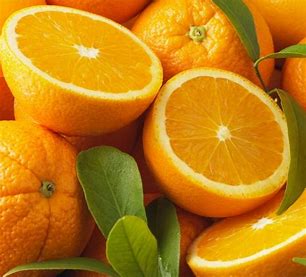
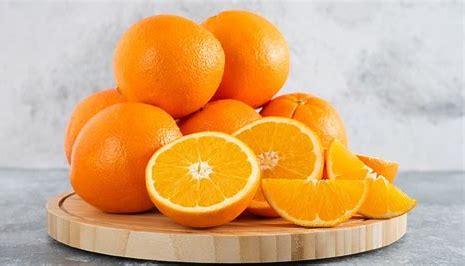
Personally, I consider oranges a fruit with superpowers! In a 2020 study, these superpowers were deemed to have originated from a wide variety of phytonutrient compounds which the fruits contain in ample proportion. These phytonutrients include citrus flavanones (types of flavonoids that include the molecules hesperidin and naringenin), anthocyanins, hydroxycinnamic acids, and a variety of polyphenols. When these phytonutrients are studied in relation to oranges’ vitamin C content, the significant antioxidant properties of this fruit are understandable.

A Glass of Orange Juice More Protective than Vitamin C Pills Alone

A study by Italian researchers in the Division of Human Nutrition at the University of Milan, Italy showed that consuming vitamin C supplements do not provide the same protective benefits as drinking a glass of orange juice. According to lead researcher Serena Guarnieri, “It appears that vitamin C is not the only chemical responsible for antioxidant protection.” Further, in oranges vitamin C is only part of a healthful matrix which includes many beneficial phytochemicals (such as cyanidin-3-glucoside, flavanones and carotenoids). These compounds often function synergistically to provide the optimal and most complete benefit to your cells. Owing to the multitude of vitamin C’s health benefits, it is not surprising that research has shown that consumption of vegetables and fruits high in this nutrient is associated with a reduced risk of death from all causes including heart disease, stroke and cancer.

Protection against Cardiovascular Disease

The World Health Organization’s draft report, “Diet, Nutrition and the Prevention of Chronic Disease” concludes that a diet that features citrus fruits also offers protection against cardiovascular disease due to folate, which is necessary for lowering levels of the cardiovascular risk factor homocysteine; their potassium which helps lower blood pressure, protecting against stroke and cardiac arrhythmias; and the vitamin C, carotenoids and flavonoids found in citrus fruits, all of which have been identified as having protective cardiovascular effects. Free radicals also oxidize cholesterol. Only after being oxidized does cholesterol stick to the artery walls, building up in plaques that may eventually grow large enough to impede or fully block blood flow, or rupture to cause a heart attack or stroke. Since vitamin C can neutralize free radicals, it can help prevent the oxidation of cholesterol. Vitamin C, which is also vital for the proper function of a healthy immune system, is good for preventing colds and may be helpful in preventing recurrent ear infections.

Possible Cholesterol-Lowering Benefits

Lab tests indicate that human liver cells produce less apo B when exposed to limonin. Apo B is a structural protein that is part of the LDL cholesterol molecule and is needed for LDL production, transport and binding. Therefore, higher levels of apo B translates to higher levels of LDL cholesterol. Arguably, the most important flavanone in oranges, herperidin, has been shown to lower high blood pressure as well as cholesterol in animal studies. Hesperidin has also been shown to have strong anti-inflammatory properties. Importantly, most of this phytonutrient is found in the peel and inner white pulp of the orange rather than in its liquid orange center, so this beneficial compound is often excluded by the processing of oranges into juice.

Compounds in Orange Peel May Lower Cholesterol as Effectively as Statin Drugs

A class of compounds found in citrus fruit peels called polymethoxylated flavones (PMFs) have the potential to lower cholesterol more effectively than some prescription drugs, and without side effects, according to a study by U.S. and Canadian researchers that was published in the Journal of Agricultural and Food Chemistry. Although a variety of citrus fruits contain PMFs, the most common PMFs, tangeretin and nobiletin, are found in the peels of tangerines and oranges. Juices of these fruits also contain PMFs, but in much smaller amounts. In fact, you’d have to drink about 20 glasses of juice each day to receive an amount of PMFs comparable in humans to that given to the animals. However, grating a tablespoon or so of the peel from a well-scrubbed organic tangerine or orange each day and using it to flavor tea, salads, salad dressings, yogurt or even rice may be a practical way of achieving some cholesterol-lowering benefits.

The researchers are currently exploring the mechanism of action by which PMFs lower cholesterol. Based on early results in cell and animal studies, they suspect that PMFs work like statin drugs, by inhibiting the synthesis of cholesterol and triglycerides inside the liver.

A Very Good Source of Fiber

Oranges’ health benefits continue with their fiber, which has been shown to reduce high cholesterol levels thus helping to prevent atherosclerosis. Fiber can also help out by keeping blood sugar levels under control, which may help explain why oranges can be a very healthy snack for people with diabetes. In addition, the natural fruit sugar in oranges, fructose, can help to keep blood sugar levels from rising too high after eating. The fiber in oranges can grab cancer-causing chemicals and keep them away from cells of the colon, providing yet another line of protection from colon cancer. And the fiber in oranges may be helpful for reducing the uncomfortable constipation or diarrhea in those suffering from irritable bowel syndrome. In addition to oranges’ phytonutrients, vitamin C, and fiber, they are a good source of folate, vitamin A (in the form of carotenoids), vitamin B1, potassium, copper, pantothenic acid, and calcium.

Prevent Kidney Stones

Want to reduce your risk of calcium oxalate kidney stones? Drink some orange juice! A study published in the British Journal of Nutrition found that when women drank 1/2 to 1 liter of orange, grapefruit or apple juice daily, their urinary pH value and citric acid excretion increased, significantly dropping their risk of forming calcium oxalate stones.

Help Prevent Ulcers and Reduce Risk for Stomach Cancer

An orange a day may help keep ulcers away, according to a study published in the Journal of the American College of Nutrition. Researchers are uncertain whether H. pylori lowers blood levels of vitamin C or if high blood levels of vitamin C help protect against infection—either way, eating an orange or drinking a glass of orange juice each day may help prevent gastric ulcers.

Role in Diabetes

Oranges are high in fiber, which can help lower blood sugar levels in people with type 1 diabetes and improve blood sugar, lipids and insulin levels in people with type 2 diabetes. The American Diabetes Association lists oranges, along with other citrus fruits, as a superfood for people with diabetes.

Digestion and weight loss

Oranges are high in fiber, which aids in digestion by keeping you regular. It is also good for weight loss. Oranges are a low-fat, nutrient-rich food with a low glycemic index, which make it an ideal food to consume to protect against obesity, which can lead to other diseases such as heart disease, cancer, diabetes, high blood pressure and stroke.

Oranges and Vision

Oranges are vitamin A rich. This nutrient contains carotenoid compounds like lutein, beta-carotene and zeaxanthin, which can help prevent age-related macular degeneration, an incurable condition that blurs central vision. Vitamin A also helps your eyes absorb light, and it improves night vision. Furthermore, the American Optometric Association reports that vitamin C can help reduce the risk of cataracts and may slow the progression of macular degeneration.

Dangers of Consuming too Many Oranges:

Oranges are great for you, but you should enjoy them in moderation. When eaten in excess, the greater fiber content can effect digestion, causing abdominal cramps and lead to diarrhea.

Furthermore, although oranges are relatively low in calories, eating several of the fruits in a day can add up and may lead to weight gain. It is also possible to have too much vitamin C (more than 2,000 mg a day). An excess of this nutrient may lead to diarrhea, nausea, vomiting, heartburn, bloating or cramps, headaches, insomnia, or kidney stones.

Because they are a high-acid food, oranges can contribute to heartburn, especially for those who already suffer [from heartburn] regularly. People with gastroesophageal reflux disease (GERD, also called acid reflux disease) may experience heartburn or regurgitation if they eat too many oranges.

People who are taking beta-blockers should be careful not to consume too many oranges. These medicines increase potassium levels and, if mixed with too many potassium-rich foods like oranges and bananas, can lead to an excess of potassium in the body. This is a significant concern for people whose kidneys are not fully functional, as the additional potassium will not be effectively removed from the body.

A Quick Serving Idea

Healthy sauté onions and ginger, and then deglaze the pan with orange juice. Use this liquid as a sauce for salmon or tuna.

Practical Tip: For the best DNA protection, skip the vitamin C—fortified bottled drinks and enjoy a glass of real (preferably organic as organic foods have been shown to contain higher amounts of phytonutrients), freshly squeezed orange juice—or simply eat an orange!

read more
GENERAL RESEARCH

UNRIPE PLANTAIN FLOUR: UNTAPPED GOLDMINE?

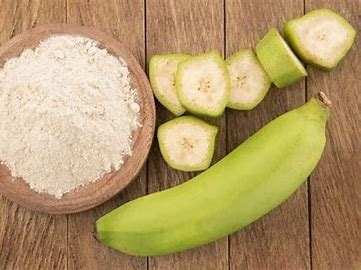
I would die on the hill that God placed all we need for a healthful life in the food he gave us, but we somehow derailed unto the belief that we can ultra processed our meals and still enjoy a long and healthy one. I was at a store today to do a little shopping when I saw a woman come in to get packaged unripe plantain flour. I casually asked her what for and she told me her mother suffered from diabetes and had this recommendation from a friend. I did not bother to ask what qualifications this friend had but made a resolve to get a clearer understanding of what properties unripe plantain flour could contain that makes it a workable substitute to the conventional wheat flour for diabetics. Y’all know I am not one to hoard, so here you go:

1.) First and foremost, unripe plantain is essentially composed of unrefined carbohydrates (complex sugars). These complex carbohydrates ensure a slow and sustained release of energy into the blood stream, reducing glycemic excursions and preventing hyperglycemia.

2.) Unripe plantains are rich in dietary fiber (about 4g per cup) which adds bulk to stool, reduces the risk of constipation and binds to sugars and carcinogens in the G.I.T and disposing of them through feces.

3.) They contain no GLUTEN, an allergen which could cause reactions in those who are unable to consume wheat containing meals and food products.

4.) Plantains in general are famed to be diuretics which can prevent kidney and bladder problems and also rescue people from fluid retention (edema).

5.) They are good sources of vitamin C, B-complex vitamins (particularly B6) and minerals such as magnesium, zinc, manganese, potassium and a modest amount of iron (1.64mg per 100g). A study conducted at the Abia State University, Uturu noted that unripe plantain flour contained a higher amount of the aforementioned minerals than when ripened. Now, heart diseases are a well known complication of diabetes and these minerals are heart healthy.

6.) Diabetes is a comorbidity of obesity. It has been shown that weight loss reduced A1C in diabetic patients by improving insulin sensitivity and reducing LDL and Trig levels. The dietary fiber and complex carbohydrate content of unripe plantains induce satiety and ensures glycemic stability which lead to weight loss in the long run.

7.) Unripe plantain flour contains phytochemicals such as tannins, saponins, alkaloids, and flavonoids. These phytochemicals act as antioxidants which scavenge free radicals and prevent the onset of cancer and other inflammatory conditions in the long run. Alkaloids, also found in morphine, coffee and nicotine have been used by naturopaths to reduce fever and relieve pain.

Other reasons to indulge include:

1.) Plantains have more vitamin C than bananas. Consumption of foods rich in vitamin-C helps the body develop resistance against infectious agents and scavenge harmful oxygen-free radicals.

2.) Plantains have more vitamin A than bananas. In addition to being a powerful antioxidant, vitamin A plays a vital role in the visual cycle, maintaining healthy mucus membranes, and enhancing skin complexion.

3.) As in bananas, they too are rich sources of B-complex vitamins, particularly high in vitamin-B6 (pyridoxine). Pyridoxine is an important B-complex vitamin which plays a beneficial role in the treatment of neuritis, anemia, and decreases homocysteine (one of the causative factors for coronary artery disease (CHD) and stroke episodes) levels in the body.

4.) Plantains also contain folates, niacin, riboflavin and thiamin. Folates (folic acid) are essential for healthy pregnancy.

5.) It has also been said that unripe plantains ease the discomfort associated with painful menstrual period, although high quality studies are needed to prove this claim.

How to Make Unripe Plantain Flour:

-To make Plantain flour, simply dehydrate (or sun dry) raw unripe plantains, mill and sieve into a powder. Prepare the same way as semolina (use less water).

I’m not giving wheat flour a bad rap; it definitely does have its attractions as well. I’m just providing a substitute, an alternate; probably an even healthier one to wheat flour.

Alright, have a wonderful day!

read more
GENERAL RESEARCH

UDARA: THE STAR OF AFRICAN FRUITS!

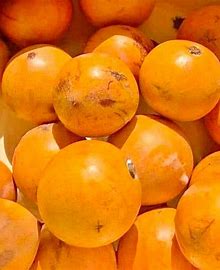
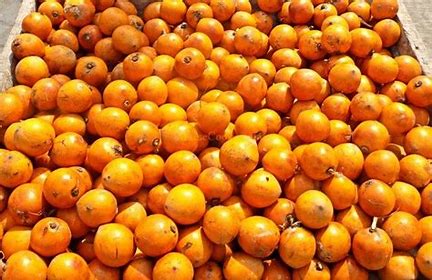
Yaaay! It is Udara season. Saw the bright yellow delight today in the fridge at home and I simply couldn’t contain myself! I sprang one open and dug my teeth into the white, gummy creamy liquid and relished every second of it. Suckling on the seeds and stripping them of their fibrous clothing. But this sweet fruit is not just a beauty to the mouth, it is also a delight to the body. Check it out.

For thise who do not know, udara is Gambeya albida (commonly known as white star apple), is a forest fruit tree commonly found throughout tropical and subsaharan Africa. The fruit is closely related to the African star apple (Gambeya africana) which is also common throughout Western parts of Africa. It is known as udara to the igbo people of Nigeria, and agbalumo to the Yorubas’.

Good! We are done with the introduction, let us get into the quick and dirty of its benefits.

1.) Star apples serve as a good source of calcium, with each serving providing you with 10 percent of the amount you require each day. The calcium lends strength to your bones and teeth, and it may also lessen symptoms of premenstrual syndrome, such as cramping and abdominal bloating. This fruit also contains 5 percent of the daily recommended value per serving of vitamin C and vitamin A. Additionally, one serving of star apples serves up 2 % of the iron required per day.

2.) Star apples may have particular benefits for diabetics. Research published in the September 2009 edition of the “African Journal of Pharmacy and Pharmacology” indicates that the leaves of this fruit may reduce glucose levels in diabetic rabbits, the same function that insulin serves. Take note, however, that consuming star apple leaves appears to have a toxic affect when eaten in large quantities. More research is needed to determine the effectiveness of star apple leaves to control diabetes in humans according to Professor Ignatius Onimawo, a Professor of Nutritional Biochemistry.

3.) Previous studies indicate that the roots, barks and leaves of agbalumo have been employed in folk medicine for the treatment of diseases. The bark is used for the treatment of yellow fever and malaria, while the leaf is used as an emollient and for the treatment of skin issues, stomachache and diarrhea. The cotyledons from the seeds of agbalumo are used as ointments in the treatment of vaginal and dermatological infections in Western Nigeria.

4.) Methanolic extract of the cotyledons from the seeds of the fruit led to the isolation of eleagnine, tetrahydro- 2 -methylharman and skatole. Eleagnine was found to be the main compound responsible for its antimicrobial activity. The antimicrobial properties of the plant could be attributed to the presence of tannin, anthraquinone and cardiac glycosides. Eleagnine was further shown to exhibit anti-nociceptive, anti-inflammatory and antioxidant activities.

5.) Extracts of the udara leaf was found to possess anti-platelet and hypoglycemic (lowers blood sugar) properties and might be employed in the management of myocardial infarction (heart attack) and diabetes mellitus, respectively. Further investigation is needed to establish the anti-platelet property of the extract.

6.) Researchers note that: “Biological actions are primarily due to the presence of phytochemicals in a very complicated concert of synergistic or antagonistic activities. Mixtures of such chemicals show a broad spectrum of biological effects and pharmacological properties”.

This rich, creamy fruit may also be the missing elixir you did not know you needed for your morning smoothie. Its yellow, delectable nectar providing just the perfect kick of phytochemicals and vitamins you need to get your day started.

Now you have enough reason to convince yourself to indulge in the Christmas delight. But don’t forget to be careful as the juice could leave nasty residue on the lips and mouth and it’s juice stains white fabric virtually irredeemably!

read more
LIFESTYLEWOMEN’S HEALTH

PEANUTS AND BEAUTY

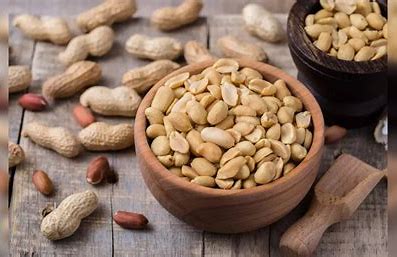
Apart from satisfying hunger pangs, consumption of peanuts may also smoothen make the skin, ensuring a supple and younger looking dermis.

Okay, okay.. before you crucify me with chants of “Groundnuts cause pimples”, let me address that issue first:

Ground nuts, if excessively consumed can cause acne and pimples. They contain fatty acids which enter the sebum of blocked sebaceous glands and trigger inflammation of these glands, causing pimples. Further, peanuts contain certain androgen-like compounds which may contribute to acne, especially in people who are sensitive to these hormones.

Pheww, now we’ve got that out of the way, to the business of the day:

1.) The. Anti-inflammatory properties of peanuts treat skin disorders like psoriasis and eczema. The fatty acids present in peanuts also reduce swelling and redness. It contains Vitamin E, Zinc and Magnesium whicch keeps the skin glowing from within and fights bacteria which leads to acne. The protein in peanuts also help with cell regeneration.

2.) Peanuts contain a relatively good amount of fatty acids which is believed to be crucial to the brains nerve cells. This brain friendly cell helps with stress management and mood swings to prevent various skin disorders like wrinkles and dullness.

3.) Also, the fibers in Groundnuts is essential for the elimination of waste and toxins. Toxins in the body reflect on the outside causing excess oil, dullness and breakouts. Peanuts help in flushing out these toxins and maintaining a healthy skin.

4.) Peanuts are packed with magnesium which helps in calming our nerves and blood vessels, thereby providing better blood flow to the skin, making it healthy and beautiful.

5.) Vitamin E in peanuts help to defend the skin cells against oxidation and free radical damage. It guards the skin agains UV ray damage from the sun.

6.) Vitamin C is contained in peanuts in moderate amount which helps in production of collagen. Collagen provides the skin with elasticity, preventing wrinkles, stretch marks and discoloration. It sustains tendons, skin and cartilage.

7.) Beta carotene found in peanuts are converted to vitamin A which helps in the growth and repair of body tissues. Therefore, peanuts help in faster healing of wounds and bruises.

8.) They are packed with omega-3 fatty acids which modulate inflammatory response on the skin and eruptions. Further, these unsaturated fatty acids also lower the risk of developing squamous cell skin cancer by destroying free radicals which can “go crazy” and eventually lead to cancer. Finally, these oils moisturize and hydrates the skin from within to treat dry and scaly skin!

Lol, I don’t advocate over-indulgence; too much of everything is bad, especially if you are trying to lose weight. A serving portion twice or thrice a week would provide you with all you need to stay young, fresh and beautiful.

Shine on, people!

read more
LIFESTYLE

BODY ODOR: HOME REMEDIES

Actually, I had to sit close to someone with a case of the stinkies in church; You can imagine my suffering each time the pastor asked us to give glory. Most of us have that one friend that has body odor, most of the time it’s not their faults, they don’t know. Well, here are some sure home remedies to this embarrassment.

What causes body odour?

Here’s a brief lesson in the science of sweat: The eccrine glands, which are located on almost every part of the body, produce body cooling sweat that’s mostly water. Think of it as nature’s little air conditioning system. The apocrine glands, which are located in the armpits and in the groin (among other areas), produce sweat that performs a number of functions, one of which is to work as a kind of waste removal system that offloads microscopic bits of fat and other matter. The sweat from the apocrine glands is the big problem with body odor. Bacteria feed on the fats and other secretions, and their waste products produce that distinctive fetid aroma that announces your presence before you enter a room. You’ll notice after a vigorous workout that your sweat smells OK, not great, but at least clean and healthy. Wait a couple of hours and the bacterial feeding frenzy that ensues will transform your healthy smelling sweat into something pretty foul.The strength of the odor a person produces depends on how much sweat his or her glands secrete as well as the number of bacteria on the skin. People with strong underarm odors carry two to three times as much underarm bacteria as other people. The best way to prevent body odor is to wash away sweat and bacteria thoroughly and regularly.

Foods rich in the amino acid carnitine (found in beef and pork) are known to leave residues in the intestines which have to be worked on by the natural digestive flora.Specific enzymes known as flavin monooxygenases break the residues down to an odorless state ready for excretion. If they are in poor supply, missing, or bowel flora is disturbed, a “fishy” body odor can result.

Use Vinegar to Get Rid of Body Odor

For the same reason which makes witch hazel a good remedy for body odor, vinegar too can be used to get yourself rid of your body smell. Vinegar can also lower the pH level of your skin so that you feel fresh for the whole day without worrying about your body odor. You can use vinegar in more than one ways.

Ways to use white vinegar for body odor

*Soak a cotton ball in white vinegar and apply to your underarms.

*Store vinegar in a sprayer and spray it under your arms after having bath. Don’t use any deodorant after using vinegar.

*Dilute some white vinegar in a mug of water while having bath and rinse your underarms with this water.

*Don’t use vinegar just after shaving as this may burn your already abrased skin.

However, many people may not get the benefit of vinegar while they try to remove their body odor. They may use lemon juice for body odor which is our next natural remedy.

Apply Lemon Juice to Remove Body Odor

Just like vinegar and witch hazel, lemon juice lowers your skin’s pH level making it difficult for odor producing bacteria to survive. Moreover, lemon can be used by even those who have sensitive skin that can’t tolerate even vinegar.

Get this:

Lemon- 1, cut into two halves

Cotton ball (optional)

Water (optional)- ½ – 1 cup

Do this:

*Take one half of the lemon and rub it under your arms, one by one, squeezing its juice on to your skin. Store the other half of the lemon to be used later.

*Alternatively, you can squeeze the juice out of the lemon and apply this juice to your underarms with the help of a cotton ball.

*If you do not like the super acidic nature of lemon or you only have mild body odor, you can dilute lemon juice in water and rinse your underarms with it.

*Lemon juice also stings when used after shaving. So better shave the nigh before to give a long gap between shaving and applying lemon juice on skin.

Baking Soda – Lime Juice Mixture for Body Odor

Some people sweat a little but then also suffer from body odor. For them vinegar or lime juice alone can work. There are some other people who sweat a lot and also have body odor. For such people, combining baking soda with lime juice can be a fantastic remedy for their body odor. Baking soda not only helps absorb sweat but also eliminate bacteria and act as a natural deodorant. This makes it eligible for using all by itself too! However, here I give you the way of using baking soda with lemon juice.

Get this:

*Lemon juice- from half or 1 lemon

*Baking soda- enough to make paste

Do this:

Before having bath, mix lemon juice with baking soda to make a paste.

*Apply this paste to your underarms.

*Leave for about 5-10 minutes.

*Wash off with water.

Now have bath.

Tomato Juice Bath for Body Odor

Tomato is considered to be a natural antiseptic and it can kill an extensive range of bacteria. Ancient Indian medicine, Ayurveda, has long used tomato juice as the remedy for body odor. It recommends using tomato juice in bath water. However, many modern herbalists recommend having tomato juice internally too for getting rid of body odor. They recommend drinking tomato juice three times a day. Here is how you can use tomato juice for bath water.

Get this:

*Tomatoes- 8-10

*Sieve

*Water- 1 bucket

Do this:

*Crush the tomatoes to get their pulp

*Using sieve, extract the juice out of tomato pulp.

*Add this tomato juice to a bucket full of water.

Bathe with this water. If you need morewater for bath, increase the quantity of tomatoes. 

Unscented Liquid Alum Deodorant for Body Odor

Many people do not like using scented deodorants but they still want to use them just to get rid of their body odor. You need not do this now. There is this ingredient, alum, which can help you make such unscented deodorant.

Get this:

*Alum powder- 4 tsp

*Baking soda- 2 tsp

*Rubbing alcohol- 225 ml

Do this:

*Mix alum, baking powder and rubbing alcohol.

*Store in a spray bottle.

*Use when needed.

Diet Remedies for Body Odor

Diet is of utmost importance, even when it comes to body odor. What you eat will define how you smell. So, you might need to omit certain foods while include another in your diet to get rid of body odor. Here are some suggestions for you to consider when changing diet habits for controlling body odor.

1.) Drink lots of water. This helps in eliminating toxins from your body so that you do not smell bad.

Have balanced diet complete with all groups of food- protein, whole grains, fish or lean poultry, pulses, healthy fats, fresh fruits and vegetables.

2.) Limit consumption of fried meat. Foods that doesn’t digest easily or completely tend to produce toxins in body.

3.) Avoid process foods. Refined sugar, white flour and fats etc. found in junk foods will lead you to many health conditions including body odor.

4.) Don’t have much of spicy food. While onion and garlic are beneficial for health, overeating them can lead to body odor.

5.) Avoid caffeinated beverages, tea, coffee, colas and alcohol.

6.) Avoid any fried food that has been made in rancid oil.

7.) Have high fiber diet and avoid those with low fiber content.

8.) Include such herbs in your diet as coriander, parsley, oregano, mint.

9.) Tobacco causes body odor. Quit smoking and stop using tobacco in any form.

Lifestyle Remedies for Body Odor

Sometimes we need to change just some of our habits to get rid of body odor. While diet is really important, if you are having it right then before adopting any home remedy or visiting doctor for body odor treatment, you need to check on your lifestyle. Here are some tips on cleanliness, hygiene and other habits that can help you in fighting with your body odor.

1.) Bathe daily at least once in a day. Don’t use harsh soaps. Also don’t use soap for longer. If possible, use soaps with natural ingredients.

2.)Do not wear unwashed clothes. Always wash your clothes once you have used them.

3.) Closed feet in shoes that are there for long time can give rise to bacteria and fungi leading to odor. Do not wear tight shoes. Also avoid wearing shoes for longer. Try wearing open sandals too.

4.) Remove unwanted hair from armpit and other body parts where you get more sweat. Hair traps sweat and are breeding grounds for bacteria.

5.) Manage your stress and anger. They lead to more production of sweat.

6.) Keep yourself dry. Moist body promotes growth of bacteria. Dry the skin fold properly after bath or when you wash them.

7.) Wear breathable clothing to avoid trapping of sweat and moisture.

If you maintain proper hygiene and follow the rule of balanced diet, you may not need the help of home remedies for body odor. If, however, you need to use home remedies and then also don’t get rid of body odor, visit your doctor to rule out any chance of some serious medical condition.

read more
GENERAL RESEARCH

MORINGA: HEALTH BENEFITS

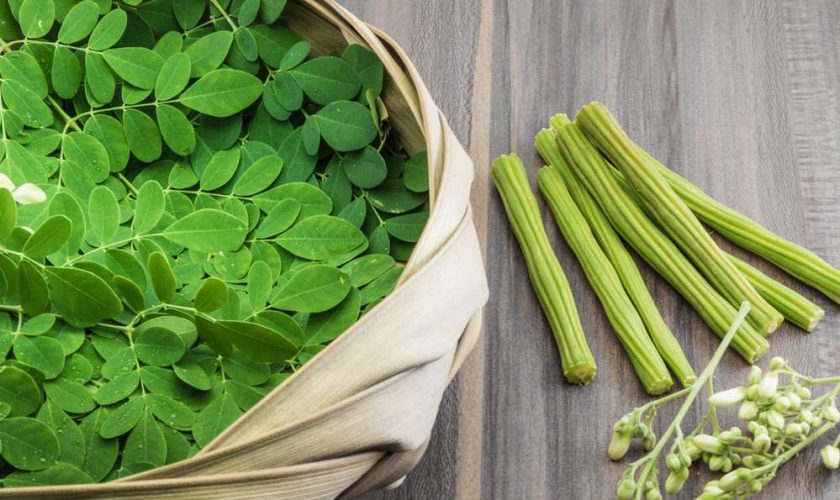
I am a big fan of extracting substance from ancient wisdom and practices, for present and future application; because why reinvent the wheel, right? Until now, various longitudinal studies have confirmed that Moringa is a natural energy booster, strengthens the immune system, has antibiotic properties, cures headaches, migraines, asthma, and ulcers, reduces arthritic pains and inflammations and restricted tumor growths. Nutritionists say the Moringa plant has more iron than “Kontonmire”. Amazingly, the leaves of this extraordinary tree contain 7 times the vitamin C found in oranges, 4 times the calcium in milk, 4 times the vitamin A in carrots, 2 times the protein of yogurt, 25 times the iron in spinach, and 3 times the potassium in bananas!

*In the field of medicine, it has been found out that Moringa can help to prevent common killer diseases like hypertension and diabetes and has become the poor man’s prophylaxis against malaria and some common ailments.

*Moringa can also detoxify the body given its ability to purify water by attaching itself to impurities and harmful bacteria and allowing them to be expelled as a waste.

*There is a growing global interest in the use of Moringa to address malnutrition because it is readily available and inexpensive. In Africa, it has become popular as a locally produced nutritional supplement for individuals infected with the Human Immuno-deficiency Virus (HIV)/Acquired Immune Deficiency Syndrome (AIDS) virus. Nursing mothers have shown to produce far more milk and malnourished children gained more weight after the leaves were added to their diets.

Phytochemical Composition.

Moringa oleifera provides a rare combination of zeatin(a potent antioxidant), quercetin (a flavonoid known for its ability to neutralize free radicals and relieve inflammation), beta-sitosterol (a nutrient superstar that blocks cholesterol formation or build-up and is an anti-inflammatory agent for the body), caffeoylquinic acid (another powerful anti-inflammatory compound), and kaempferol(a key nutrient that promotes healthy body cellular function). All in all, enzymatically active and bioavailable moringa oleifera provides 36 natural anti-inflammatory agents. Free radical damage caused by electron-seeking, highly reactive, oxidative molecules has been identified as the source of many maladies through mechanisms such as inhibition of telomerase, changes to cellular permeability and DNA damage. Further, it has been established that moringa oleifera contains 46 different antioxidants. This “miracle tree” is able to provide all of the amino acids required by the human body. Protein is needed not only for the structural components such as muscle and tissues, but neurotransmitters, hormones, enzymes and immunoglobulins as well. There are various nutrients that can have a beneficial effect on enhancing immune system function and Moringa oleifera certainly qualifies in this category due to the ability to provide several of these phytonutrients.

Moringa is also used to reduce swelling, increase sex drive (as an aphrodisiac), and boost the immune system. Some people use it as a nutritional supplement or tonic. Moringa is sometimes applied directly to the skin as a germ-killer or drying agent (astringent). It is also used topically for treating pockets of infection (abscesses), athlete’s foot, dandruff, gum disease(gingivitis), snakebites, warts, and wounds.

Side Effects and Precautions:

Moringa is POSSIBLY SAFE when taken by mouth and used appropriately. The leaves, fruit, and seeds might be safe when eaten as food. However, it’s important to avoid eating the root and its extracts. These parts of the plant may contain a toxic substance that can cause paralysis and death. Although moringa has been used safely in doses of up to 6 grams daily for up to 3 weeks, there isn’t enough information to conclude on the safety of moringa in medicinal quantities.

Pregnancy and breast-feeding: It’s LIKELY UNSAFE to use the root, bark or flowers of moringa if you are pregnant. Chemicals in the root, bark, and flowers can make the uterus contract, and this might cause a miscarriage. There is not enough information available about the safety of using other parts of moringa during pregnancy. Stay on the safe side and avoid use.

Moringa is sometimes used to increase breast milk production. Some research suggests it might do this, however, there isn’t enough information to know if it is safe for the nursing infant. Therefore, it is best to avoid moringa if you are breast-feeding.

read more
GENERAL RESEARCH

OKPA: EASTERN DELICACY

okpa

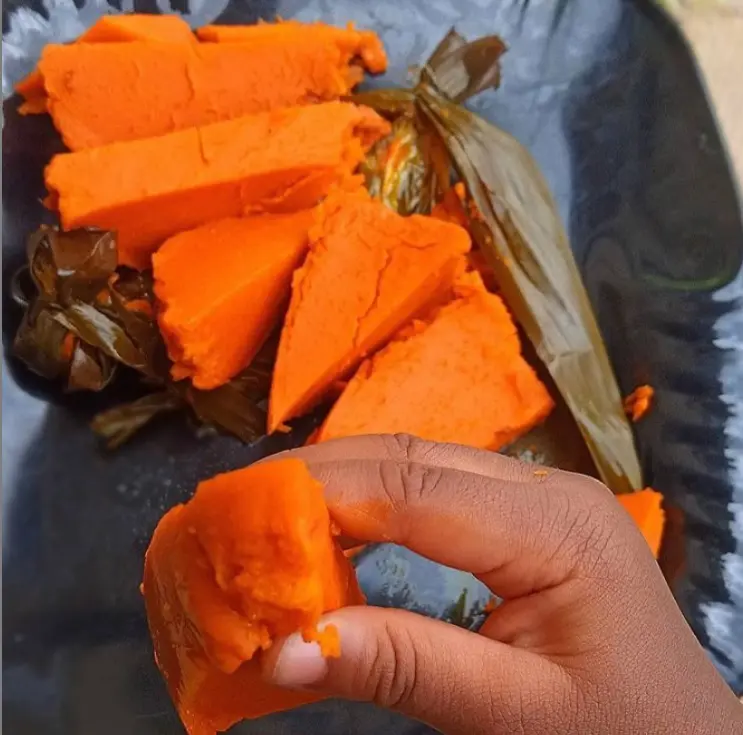
Anyone who has been to Enugu (or Nuskka precisely) cannot deny having come across this meal. You see it on the heads of young women, or in their wheelbarrows early in the mornings, brimming with steam and tantalizing the nasal cavity. I remember back in the day in the Lions’ den, okpa was a major delicacy. A sure cure to hunger, palatable with minerals, tea and bread or just like that on the go. At Eni-Njoku hostel particularly, I remember boys lining up before the okpa seller early in the morning before lectures just to treat their tummies to the Nsukka delicacy. Yes, it did originate from there. Well, either that or they prepared it enviably well. I always knew by virtue of my profession that it is a very rich food especially it’s amino acid profile. Now, I want to introduce this Eastern Nigerian delicacy formally with a hint into everything it has to offer, good and bad.

Brief Overview

The Bambara nut seed consist of 49%-63.5% carbohydrate, 15%-25% protein, 4.5%-7.4% fat, 5.2%-6.4% fiber, 3.2%-4.4% ash and 2% mineral compared to whole fresh cow milk 88% moisture, 4.8% carbohydrate, 3.2% proteins, 3.4% fat, 0.7% ash, and 0.01% cholesterol. Its chemical composition is comparable to that of soybean. Furthermore, BGN has been reported to be a potential crop, owing to its nutritional composition, functional properties, antioxidant potential, and a drought resistant crop. Bambara groundnut milk (BGNM) had been rated higher in acceptability than milk from other legumes like soybean and cowpea. Probiotics have been defined as live microorganisms which when administered in adequate amount confer a health benefit on the host. These benefits have been reported to be therapeutic, suppressing the growth and activity in conditions like infectious diarrhea, irritable bowel syndrome, and inflammatory bowel disease. The probiotic profile of BGNM is substantial enough to sustain the growth of normal flora in the gut. BGNs are normally boiled and salted, eaten as a relish or roasted, or as a snack. Hence, BGNM can also be fermented with lactic acid bacteria to make a probiotic beverage that not only increase the economic value of the nutritious legume but also help in addressing malnutrition.

1.) Reduces danger of stomach cancer

The antioxidant properties of the fatty acids in the Bambara groundnuts have the capacity to suppress the production of carcinogenic substances in the stomach. Further, it prevents any damage or irritation to the mucus lining of the stomach.

2.) Antimicrobial action

Bambara groundnut milk is more easily acceptable as compared to the milk from other legumes in its species due to its probiotic content. Probiotics are microorganisms, which have been claimed to provide health benefits to the humans and animals. These benefits to the recipients are subduing the development and action of the microbes in infection such as IBS (irritable bowel syndrome), diarrhea, and IBD (inflammatory bowel disease).

3.) Rich source of lysine

The human body cannot produce lysine; hence, it has to be dependent on external supplements of the same. Bambara groundnut is generously gifted with this essential amino acid.

4.) Lowers Cholesterol

Lysine is an essential element which aids in ensuring proper growth and plays a very important role in the manufacture of carnitine. Carnitine, in turn, is a nutrient responsible for the breakdown of fatty acids to provide energy to the body, thereby lowering cholesterol levels.

5.) Maintains Healthy Bone

Lysine also aids in the absorption of calcium for the proper growth of the bones in the body. Further, Bambara groundnuts have been found to contain a decent amount of calcium itself! Additionally, the high amino acid content of the nut helps in the generation of collagen, which is essential for connective tissue formation, such as tendon, skin, cartilages and bones.

6.) Fights Kwashiorkor

Bambara-nut plays is an important source of protein nourishment in rural areas and impoverished communities. This helps forestall Kwashiorkor, a protein deficiency commonly seen in malnourished children.

RECENT RESEARCH ON EXTRACTS OF BAMBARA NUT

*The extract from the nut of Voandzeia subterranean particularly the protein extracts can be used directly in cosmetic formulations and provides specific properties and notable particular effects. The nut can be used quite freely to replace the high-prized lumps of meat without sacrificing adequate nutrition.

*The fatty acid present in the nut oil is among the essential fatty acids needed in the body. These fatty acids are primarily cofactors for hormone-like substance which regulate a wide range of bodily functions. The nut also contain tannin which is one of the anti-nutritional factors. The unique properties and composition of Bambara nut make it serve as a balanced food which contains almost all the vital nutrients that promotes good health.

*These fatty acids are used to produce hormone like substances that regulate wide range of functions. They regulate blood pressure, blood clothing and blood lipid level and inflammation response to injury infections. Therefore, they are essential in human diet since there are no synthetic mechanisms available for their production in the human body.

*Linoleic acid is one of the most important polyunsaturated fatty acids in human food of its ability to prevent distinct heart vascular disease. Research shows that bambara nut oil is predominantly made of the unsaturated palmitoleic acid, oleic acid, lineleic acid and caprylic acid. This predominance of the unsaturated fatty acids and high iodine value index indicate that oil from bambara nut of Nigeria is of unsaturated type.

 Potential Constraints:

A.) Like most legume seeds, Vigna subterranea seeds contain antinutritional factors such as trypsin inhibitors, phytates and tannins, including condensed tannins in the seed coat. Tannin content is correlated with coat color, the cream-colored seeds containing less tannin than brown or black seeds. Tannins can be deleterious to livestock performance though they have beneficial nutritional properties in some cases (by-pass protein in ruminants, anthelminthic effect).

B.) The Vigna subterranea seed is reported to have higher antitryptic activity than soybean and the level of activity depends on the variety (landrace). Heat treatments such as boiling or roasting are usually effective in destroying trypsin inhibitors.

C.) Phytates are found in high proportions in Vigna subterranea seeds and are known to reduce cation availability (calcium particularly).

D.) Cooking and other forms of processing (e.g. soaking, milling, hulling, germination, fermentation) reduce the concentration of antinutritional factors. However, processing does not always increase the feeding value.

I know you must have learnt something new about our “okpa” Enugu delicacy. 

MERRY CHRISTMAS!

read more
DIET THERAPY OF DISEASES

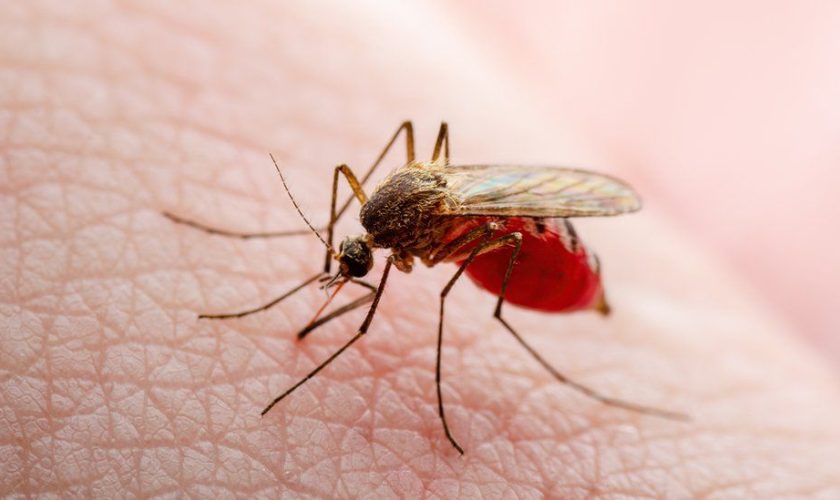
HOME REMEDIES FOR MALARIA

Malaria home remedies

I have been doing a lot of “home remedies” right? I guess that is what fascinates me nowadays. This piece not only discusses home remedies for malaria, but also sheds insight on some other ailments, such as ulcers. In recent times, the malaria parasite has developed resistance against most malaria drugs including the popular Artemisinin-based Combination Therapy (ACT) – from the Artemisia annua plant. This has made effective treatment of the disease that affects over 500 million people and kills more than two million each year elusive. Naturopaths blame the situation on the isolation of active ingredients from the anti-malarial plant instead of the use of the whole plant. They say the malaria parasite, Plasmodium species, also developed resistance against chloroquine because the active ingredient was isolated from Cinchona bark. However, Nigerian researchers have developed herbal cures for malaria that can take care of resistant strains. They have produced potent anti-malaria cocktails from local plants.

A typical cocktail developed by a plant taxonomist at the University of Nigeria Nsukka (UNN) and Ebonyi State University, Professor Jonathan Okafor, consists of Morinda lucida, Nauclea latifolia, Cymbopogon citratus, Carica papaya leaves, Moringa oleifera, Mangifera indica, Garcinia kola, and Psidium guajava. Seventy-four years old Okafor, told The Guardian that he has successfully used the concoction for the last 25 years to treat malaria. “I have been developing this combination for over 25 years now. I hope to produce it in commercial quantities. I call it ‘malaria destroyer’.

*”To prepare it you get the leaves of Morinda lucida (brimstone tree). It is commonly called local cinchona, and Eze-ogwu in Igbo, and should consist half of the whole concoction. Mix with leaves of Nauclea latifolia (ubulu inu in Ibo), Cymbopogon citratus (lemon grass), male Carica papaya leaves (pawpaw), Moringa oleifera leaves because of its high nutritional content and immune boosting properties, Mangifera indica leaves and bark (Mango), which boosts red blood cells, Garcinia kola (bitter cola) and Psidium guajava (guava) in equal quantities,” he said.

*The second formula is squeeze the leaves of Goat weed (Ageratum conyzoides) in water. It is called akwukwo nea, osi n’aka or ahenhea in Igbo, imi-eshu in Yoruba, eb-ghedore in Edo, ikpamaku in Urhobo and otiti in Efik. Make it as concentrated as possible. Take one glassful thrice daily for five days. This preparation is excellence for intestinal ulcer.

*Thirdly, bring an equal amount of lemon grass leaves, orange peels and leaves of Brimstone tree (Morinda lucida), boil in a medium-sized pot for 40 minutes. Take one glass thrice daily for seven days.

Oxidative stress has been shown to play an important role in the development of anemia in malaria. Indeed, increase in total antioxidant status has been shown to be important in recovery from malaria. The antioxidant activities of four medicinal plants traditionally used in the treatment of malaria in southwestern Nigeria were determined by researchers. The plants studied included were Carica papaya (Caricaceae), Magnifera indica (Anacardiaceae), Psidium guajava (Myrtaceae), and Vernonia amygdalina (Compositae). The plants were screened for the presence of phytochemicals and, their effect on 2,2-Diphenyl-1-picryl-hydrazyl radical (DPPH) was used to determine their free radical scavenging activity.

Phytochemical screening of the plants showed the presence of flavonoids, terpenoids, saponins, tannins and reducing sugars. Mangifera indica did not contain cardiac glycosides and alkaloids while, Psidium guajava also showed the absence of alkaloids and anthraquinones. Anthraquinones was similarly absent from V. amygdalina.

Try any of these, I am quite sure, given evidence of these studies that you’d find those thousands you spend in hospitals and the long waiting lines superfluous. Wonderful weekend to you!

read more