close

WEIGHTLOSS

DIET THERAPY OF DISEASES

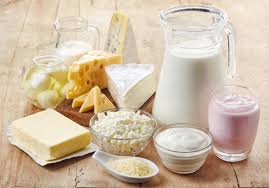
BEST DAIRY PRODUCT FOR CARDIAC CONDITIONS

Good day, cool cats!

DID YOU KNOW THAT CHEESE IS MOSTLY MILK FAT?

I often get questions about the best cheese/dairy option for people who have heart conditions or are trying to manage their blood pressure. This is especially important as our diet is so high in processed cheese, which is often very high in saturated fat and sodium! Well, here goes. 

During cheese making, the milk is coagulated, and the fat is concentrated, resulting in the creamy texture and flavor characteristic of cheese.

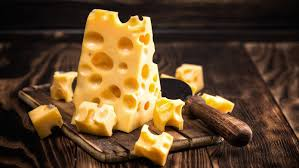
When we think of the best foods to help lower blood pressure , dairy usually doesn’t come to mind. But if there’s one blood pressure–friendly cheese that experts recommend, it’s Swiss.  Swiss cheese, known for its “eyes” (or holes) and mildly sweet and nutty flavor, has healthy properties that might help support better blood pressure levels. Here, we dive into the research behind Swiss cheese’s heart-healthy properties, plus how to incorporate the cheese into a balanced diet plan. Why Swiss Cheese Is the #1 Dairy Product to Lower Blood Pressure

  1. Low in Sodium

Cutting back on sodium is one of the best ways to help lower your blood pressure. And if cheese is a beloved part of your daily diet, swapping some higher-sodium options for Swiss is a smart way to sustain a balanced and enjoyable eating plan. And it’s not hard to do. Swiss is one of the lowest-sodium cheese options out there! A 1-ounce serving of Swiss cheese contains about 52 milligrams of sodium, or 2% of the Daily Value. Compare that to 1 ounce of Cheddar, which has about 185 mg, or 8% of the DV.

  1. Great Source of Calcium

While dairy is often associated with causing heart issues, research shows that calcium in dairy foods such as Swiss cheese does not increase blood pressure or risk for hypertension; in fact, it may reduce the risk of stroke.

       3. Contains Bioactive Peptides

We know protein helps keep you satiated and supports muscle mass, but research suggests that the protein in cheese is also a good source of bioactive peptides, which may benefit blood pressure. Swiss cheese, specifically, contains two peptides—Ile-Pro-Pro and Val-Pro-Pro—that have been shown to have anti-hypertensive effects. However, more research needs to be done to nail down the amount of cheese it takes to reap these health benefits.

How to Enjoy Swiss Cheese

Swiss is delicious as a standalone snack, and it’s just as great paired with other foods or in recipes. Here are a few tasty ways to enjoy Swiss:

  • Pair it with fruit: Swiss cheese goes well with fruit for a low-sodium snack. Any fruit works, but we especially like apples for the flavor combo. This snack is also good for blood pressure and blood sugar, thanks to its dose of calcium, protein, potassium and fiber. 
  • Try it in a sandwich : Try stacking a grilled chicken sandwich with a slice of Swiss cheese, lettuce and slices of tomatoes and avocado. This snack can be part of the Mediterranean and Dietary Approaches to Stop Hypertension (DASH) dietary patterns, which help lower blood pressure.
  • Add it to a salad : Swiss  adds protein and calcium, plus umami flavor, to a bowl of greens. 
  • Pair it with crackers: Try pairing Swiss cheese with whole-grain crackers for an energy boost that promotes blood sugar and blood pressure management.

Other Strategies to Lower Blood Pressure

Although swapping out high-sodium cheeses for Swiss can help reduce your sodium intake. Here are some other ways to help support healthier blood pressure levels:

  • Use herbs and spices: Lean on garlic, ginger, basil and oregano instead of salt to lower sodium intake and reduce blood pressure. A review found that garlic is associated with reduced blood pressure and cholesterol in those with and without chronic high blood pressure.
  • Cut back on alcohol: Drinking too much (which means more than two drinks a day for men and more than one drink a day for women) can spike your blood pressure. Cutting back on wine, beer, liquor and other alcohol can help lower your numbers and support your overall heart health.
  • Eat more plants: Plant-forward eating patterns, such as the Mediterranean diet and DASH diet, can help to lower blood pressure. Research shows these diets are more promising for lowering blood pressure than just salt restriction alone.
  • Get regular exercise: Finding an exercise you love can help you move more and, therefore, lower your blood pressure. The American Heart Association recommends strength training at least two days a week and 2.5 hours of moderate-intensity cardio each week.
  • Choose lower fat dairy options (non-fat or 1%) with your cereal: Milk is so high in fat because the baby needs it to support its brain growth, and as an energy source. Adults, who often get energy from other sources such as fried foods and carbohydrates, do not need all that fat. Watch it!

SUMMARY:

Swiss cheese is significantly lower in sodium than many other cheeses and eating less sodium can help lower blood pressure. Swiss is an excellent source of calcium and has unique bioactive peptides (found in the proteins), which research suggests may also help lower your blood pressure. Adding Swiss to a hearty salad or pairing it with high-fiber fruit and crackers is a smart way to enjoy this nutritious dairy snack.

Remember to stay jiggy!

FURTHER READING:

  1. U.S. Department of Agriculture. FoodData Central. Cheese, swiss.
  2. U.S. Department of Agriculture. FoodData Central. Cheese, cheddar.
  3. Hu MJ, Tan JS, Gao XJ, Yang JG, Yang YJ. Effect of cheese intake on cardiovascular diseases and cardiovascular biomarkersNutrients. 2022;14(14):2936. doi:10.3390/nu14142936
  4. Rangel AHDN, Bezerra DAFVA, Sales DC, et al. An overview of the occurrence of bioactive peptides in different types of cheesesFoods. 2023;12(23):4261. doi:10.3390/foods12234261
  5. Mulawarman R, Trifitriana M, Felani MR, Mulawarman, Tondas AE. Garlic effect on reduce blood pressure and cholesterol in patients with and without hypertension: A systematic review and meta-analysis of randomized controlled trials.J Hypertens. 2021;39(Supplement 2):e4. doi:10.1097/01.hjh.0000752400.24367.fa
  6. Filippou C, Thomopoulos C, Konstantinidis D, et al. DASH vs. Mediterranean diet on a salt restriction background in adults with high normal blood pressure or grade 1 hypertension: A randomized controlled trialClin Nutr. 2023;42(10):1807-1816. doi:10.1016/j.clnu.2023.08.011
  7. American Heart Association. Limiting alcohol to manage high blood pressure.
  8. American Heart Association. Getting active to control high blood pressure.
read more
DIET THERAPY OF DISEASES

WHAT ABOUT COFFEE?

Hello, people!

Many people approach me to ask about the effects of coffee on health so, here you go! If you feel thankful, feel free to lose 1lb this month in appreciation, you are welcome. 

Coffee is chock full of substances that may help guard against conditions more common in women, including Alzheimer’s disease and heart disease. Coffee also contains antioxidants and other active substances that may reduce internal inflammation and protect against disease. Caffeine has a ‘protective effect’ on Parkinson’s disease risk in a large prospective cohort, according to a study published in Neurology journal.

Coffee can also act as an appetite suppressant for some people. In fact, studies show that drinking coffee up to four hours before a meal can decrease energy intake. Coffee also stimulates the sympathetic nervous system, a branch of the autonomic nervous system that has been shown to reduce hunger and increase satiety. This explains why many people may find that drinking a cup or two of coffee in the morning with breakfast can keep them going until lunch. Chlorogenic acid, a compound found in coffee beans, has been shown to boost fat metabolism in test-tube studies. While it’s not completely clear how it works, chlorogenic acid is thought to regulate certain enzymes and pathways involved in fat accumulation, thereby reducing body fat.

Does decaf count?

If weight loss is your goal, it may be a good idea to keep the caffeine in your coffee. According to Crouch, decaf coffee doesn’t boast the same calorie-burning, appetite-suppressing characteristics as caffeinated drinks.

However, she also points out that decaf may offer some other benefits, as it’s rich in chlorogenic acid

Loading your coffee with cream and sugar

High-calorie syrups and sweeteners can quickly negate many of the benefits that coffee brings to the table. Popular drinks at coffee chains like frappuccinos, sugary lattes, or iced mochas are also loaded with extra calories and unlikely to help with weight loss.

Spruce your Coffee

If black coffee is too bland or bitter for you, instead of sugar and heavy cream, coffee can be upgraded by adding some coconut oil, collagen, plant milk, cinnamon, cocoa and turmeric!

TAKE-HOME:

Coffee, in moderation, is beneficial to cardiac, diabetes, Parkinson’s disease and general health. Be careful and consult your RD or MD if you have history of heart disease, liver/kidney disease, or any other health issues for individualized guidelines. Also, be mindful of commercial “fancy” coffee that is loaded with sugar and its derivatives, heavy cream and whole milk.

Finally, just like any good thing, excess can be harmful. Practice moderation at all times.

Read More:

Caffeine and Parkinson’s Disease: Multiple Benefits and Emerging Mechanisms

Caffeine, coffee, and appetite control: a review – PubMed (nih.gov)

read more
DIET THERAPY OF DISEASES

HABITS TO BOOST ENERGY AND FOCUS

We are almost at the end of the year; unbelievable, I know. This SmartBrief is meant to give provide healthy nutrition sources to help with sustained mental and physical energy. Meals and sample menus on this list should also provide adequate protein, phytochemicals for mental acuity. Remember to start small and make gradual changes. Goodluck!  

1) Build your “Power Plate”

• ½ plate produce (salad, sliced fruit, steamed veggies). 

• ¼ plate protein (beans, lentils, tofu, eggs, yogurt, chicken, fish) .

• ¼ plate slow carbs (oats, brown rice, quinoa, whole-grain pasta, corn, potatoes) 

• Add healthy fats (olive oil, nuts/seeds, avocado) Why it matters: patterns like Mediterranean/DASH are consistently tied to better heart and brain outcomes and quality of life .

2) Five Quick Wins (Evidence-Aligned)

1. Fiber first –: Aim ~25–34 g/day. Start meals with fruit/veg or beans; swap white grains for whole . 

2. Protein evenly, not just at dinner –: Include ~25–30 g at breakfast, lunch, and dinner. 

3. Hydrate for focus :  Keep water visible; drink with each meeting and at breaks . 

4. Watch sodium & added sugar: Keep sodium <2,300 mg/day and added sugar <10% of calories . 

5. Dial down ultra-processed foods (UPFs) : Choose minimally processed options when you can.

3) Workday Meal Ideas (Grab-and-Go)

Sample Breakfast Options: 

• Oatmeal cup + peanut butter + banana 

• Whole-grain toast + 2 eggs + salsa

• Greek yogurt parfait + berries + granola 

Sample Lunch: 

• Grain bowl: quinoa + chickpeas + veggies + olive oil + lemon 

• Turkey or hummus wrap + carrots+ apple 

• Roasted veggies + salmon/tofu over brown rice 

Sample Snacks: 

• Nuts & fruit 

• Hummus & snap peas 

• Cottage cheese & pineapple 

• Roasted edamame 

• Apple + string cheese 

4) Label Low-Stress Shopping Rules

• Fiber ≥4 g per serving (cereals, breads, crackers) 

• Choose added sugar ≤6 g per serving 

• Sodium ≤140 mg per serving for snacks; ≤600 mg for entrees.

5) Hydration Cheat Sheet

• Keep a 20–24 oz bottle at your desk; finish 2–3 bottles during work hours. 

• Rotate plain water, sparkling water, or unsweetened tea/coffee . 

• Use ‘habit hooks’: sip at calendar alerts, before calls, after bathroom breaks.

6) Some Weekly Micro-Challenges:

Mon: Add one cup of vegetables at lunch. 

Tue: Protein-at-breakfast day. 

Wed: Swap one UPF snack for nuts/fruit. 

Thu: Keep sodium <2,300 mg. 

Fri: Hit 30 g fiber (beans/lentils at lunch).

7) Budget-Savvy Staples:

Some examples of pocket-friendly options that you may get at United or La-Tienda and start to incorporate into your diet. Examples are oats, brown rice, dry beans/lentils, frozen vegetables/berries, canned no-salt-added tomatoes/beans, eggs, peanut butter, canned tuna/salmon, whole-grain pasta.

Focus on these recommendations:

• Protein distribution: ~25–30 g/meal supports muscle protein synthesis. 

• Hydration & cognition: hydration linked to better attention and memory. 

• Fiber targets: 14 g/1,000 kcal (≈25–34 g/day).

Hopefully, some pf you have picked up something from this. Feel free to send me an email if you have specific questions.

Have a restful and celebratory Thanksgiving!

read more
MEN’S HEALTH

DIET SODA AND AUTISM IN BOYS

Happy New Month folks!

Most people consider Diet Sodas a viable alternative to regular soda, so I wanted to bring this to your attention. 

A study conducted at the University of Texas at San Antonio found that there is an association between autism diagnosis in boys and daily consumption of diet soda or comparable amounts of aspartame by their mothers during pregnancy or breastfeeding. No statistical significance was found between diet soda intake and autism in girls. Also recall that late last year, Aspartame was associated with incidence of cancer.

While Diet Soda may be a viable alternative to Regular Soda for people who are Diabetic, as well as its comorbidities such as Fatty Liver Disease, Diet Soda has also been linked to disruption of gut microbiota, erosion of teeth enamel due to its acidity (much like any other highly acidic food), and poor cardiovascular health.

In summary, I would advise caution and moderation.

Further Reading: 

Drinking diet sodas and aspartame-sweetened beverages daily during pregnancy linked to autism in male offspring – UT Health San Antonio (uthscsa.edu)

read more
GENERAL RESEARCHLIFESTYLE

HOW TO NAVIGATE EFFECTIVELY WITH THE INTERMITTENT FASTING

IF simply involves switching between fasting and eating on your normal schedule.
This method could help you manage your weight and ward off chronic diseases if monitored and done effectively.

BASIC CONCEPTS
Before going into this practice, it is important to know what it entails.
Some basics to know:
– you have to skip one meal
– you can still have your favourite healthy meal while fasting
– you can drink water while fasting
– you can have no-calorie beverages while fasting. Examples include coffee, green or black tea.

So for everyone that has heard about IF or has practised it before, normally, you would skip breakfast while fasting, because it feels easier.
-But, according to a research carried out by USDA economic research service, it was noticed that skipping dinner, reduced more daily calories and lowered diet quality the least when compared to skipping breakfast or lunch.
-Also note that your night fast should be longer than 2 hours and shorter than 24 hours

TYPES OF IF
There are basically 3 popular types of IF:
– 16:8 method
– 5:2 method
– eat-stop eat method.
Others include OMAD, and warrior diet.

16: 8 METHOD

5:2 METHOD

EAT-STOP-EAT METHOD
This method involves fasting for 24 hours twice or thrice a week.
– Fasting for 24 hours would lead to a metabolic shift and ause your body to use up fat
– But staying off food for 24 hours might lead to binging and overconsumption.

IF AND YOUR HORMONES
– IF positively affects the human growth hormone (HGH), especially when done adequately. These hormone levels increase when you do IF, and higher levels of this hormone facilitate fat burning and muscle gain.
– IF also increases the amount of norepinephrine in our bodies which help to breakdown body fat and facilitate it use for energy
– intermittent fasting decreases androgen markers (i.e., testosterone and the free androgen index (FAI)) while increasing sex hormone-binding globulin (SHBG) levels in premenopausal females with obesity.
– fasting may prove to be a valuable tool for treating hyperandrogenism in females with polycystic ovarian syndrome (PCOS) by improving menstruation and fertility.

BENEFITS
– WEIGHTLOSS: A 2014 review of scientific literature found that IF can cause 3–8% weight loss over 3–24 weeks, which is a significant amount. Also, participants lost 4-7% of their waist circumference.
– CAN REDUCE INSULIN RESISTANCE: IF can help reduce insulin resistance. According to research, it can help reduce blood sugar by 3–6% and fasting insulin levels by 20–31%.
– HEART-HEALTH: IF may help to reduce bad cholesterol, and blood triglycerides.
– OXIDATIVE STRESS: IF may help reduce inflammation (a key factor in disease processes) and oxidative stress.
– BRAIN HEALTH: may increase the brain hormone brain derived neurotrophic factor (BDNF) and may help in the growth of new nerves. it also may help prevent alzemheirs
– DECREASE IN APPETITE: according to research, time-restricted fasting (16 8), decreased mean ghrelin levels, increased fullness in participants, and decrease the desire to eat.
Also, in the first 12 hours of fasting, there is a slight increase in ketone bodies, this helps in appetite suppression.

POSSIBLE DOWNSIDES
– Malnutrition: if not done properly, intermittent fasting could lead to serious malnutrition. some very vital micronutrients and electrolytes might be lacking in your diet if not monitored.
– Dehydration: during a fast, your body tends to release water and salt via the urine. if this water isn’t replenished, you get dehydrated.
– Bad breath: during fasting, fat is used up majorly as fuel. fat metabolism leads to acetone formation which can affect your breath
-fatigue and low energy: when fasting, especially if you are not adequately monitored, with an inadequate intake of calories, you tend to be fatigued due to a low intake of calories
5. Headaches and lightheadedness: this is most common in intermittent fasting and occurs within the first few days especially if you’re a newbie.
6. Hunger and cravings: normally you’d feel hunger cues during your fasting. they tend to be heavier if you don’t do it well.
Most of these side effects should disappear in 2 weeks,

TIPS TO NAVIGATE EFFECTIVELY
• Know your nutrient needs
• Always incorporate proteins into your eating window
• Know your energy requirements
• Always stay hydrated
• Avoid overeating/undereating
• Maintain a balanced diet
• Try out the different types of IF
• Keep track of your journey
• Adapt a suitable workout routine
• Plan meals
• Speak to a registered dietitian

WHO SHOULD NOT BE ON IF?
• If you are underweight
• If you have a history of an eating disorder
• If you are pregnant
• If you are breastfeeding
• If you are on insulin (type 1)
• Anyone with immunosuppression
• Transplant patients
• Chronic kidney diseases
• Poorly controlled diabetes (unless an endocrinologist is involved).
• Adolescents and kids
• Elderly (muscle mass)

SUMMARY
The intermittent fasting pattern of eating is quite a beneficial one with side effects that can easily be managed. But, it is important that you are monitored by health practitioners before delving into this type of diet.
Also, before starting, be sure of the type of fast that would suit your lifetyle and schedule.

SOURCES:
-https://www.hopkinsmedicine.org/health/wellness-and-prevention/intermittent-fasting-what-is-it-and-how-does-it-work
– https://www.healthline.com/nutrition/6-ways-to-do-intermittent-fasting
– https://www.ncbi.nlm.nih.gov/pmc/articles/PMC3680567/
– https://pubmed.ncbi.nlm.nih.gov/31525701/

read more
LIFESTYLE

What happens when you remove carbs

You know, the idea behind weightloss for so many people is removing a particular food group from their diet

And that food group that has suffered a lot is carbs.

You know, the advent of the keto-diet, Atkins diet, and other “ low carb diets” can make you question the health benefits of carbs in our body and even label carbs as “bad”.

Lets do that same explanation on how carbs affect weightloss and why you get to lose weight easily when you take off carbs

So, what are Carbs?

Basically, carbs are one of the three macronutrients that form a major part of our diet. Other macronutrients are protein and fats. All these macronutrients provide the body with energy usually measured in calories.

There are basically 3 types of carbs found in food and they are:
1. Refined Carbs: these type of carbs have been processed, and during the processing, some vital nutrients especially fibre has been removed, leaving just sugars. It is very easy for these types of carbs to spike your blood sugar and lead to other complications Examples include some breakfast cereals, white flour, pastries, snacks, sodas.

2. Dietary Fibres: also a type of carbs which aids easy digestion and help reduce blood glucose spikes. Examples include leafy vegetables like spinach, broccoli, ugwu,tete etc.

3. Starch: also found in plants and slowly release energy to the body throughout the day. Examples include potatoes, yam, plantain, whole wheat or white bread, brown or white rice.

These foods also contain varying amounts of dietary fiber which could provide extra health benefits.

Can Carbs make you Fat?
Whatever food consumed in excess would definitely lead to fat gain over a long period of fat. Whether it is from carb, protein or fat source. Each of these macronutrients contain calories.

Why do I lose weight when I cut Carbs?

1. You shed water weight
so many times when people put off so much weight over a short period of time, what happens is that they just lost water weight.
Now that sounds weird, but let me explain.

The body stores arbs in the liver as glycogen, and each gram of glycogen is stored with 3g of carbs. So, when you continue to cut out carbs, what you are doing is cutting out the glycogen store with water, not necessarily fat. Ever noticed that the weight comes back when you add carbs back?

That is because the process is a reversible one.

2. You’re on a Calorie deficit diet
Cutting out carbs means cutting out a source of calorie to the body, that will obviously lead to weight loss. Ideally if 500kcal is removed daily from the diet, it will lead to 0.5-1kg loss in weight, so you’re on a calorie deficit, you must lose weight.

The bad thing here is that this might in turn lead to muscle mass loss.

What’s the best approach to Weight-loss?
Sustainability over a long period is very important when trying to shed some pounds or when adopting a “diet”.
The best approach is to adopt a lifestyle that suits you. Calorie deficits, exercise regimes, and lifestyle modifications all go hand in hand to help lead a healthy lifestyle.

The weight loss approach should not be ‘all or nothing’, strict, rigid, or a quick fix. It should be what you can live with over a very long period of time.

Summary
Losing weight isn’t a do or die affair, you don’t need to take out any food group to achieve that, we could always work together and attain your desired/ideal body weight.

Sources:
https://paleoleap.com/everything-you-need-to-know-about-water-weight/
https://www.menshealth.com/health/a26361054/water-weight/
https://pubmed.ncbi.nlm.nih.gov/7332312/
https://www.medicalnewstoday.com/articles/320603#ways-to-lose-water-weight
https://www.nhs.uk/live-well/healthy-weight/why-we-need-to-eat-carbs/#:~:text=In%20the%20absence%20of%20carbohydrates,%2C%20you’ll%20gain%20weight.

read more
LIFESTYLE

IS MY THYROID KEEPING ME FROM LOSING WEIGHT?

Identifying the actual reason why you’re not losing weight is the beginning of a successful weight loss/health journey

Weight loss might be the major complaint, but you might be at risk of cardiovascular diseases and diabetes if not placed on a healthy diet.
With this article, we’ll be looking at one major reason why you might not just be losing weight accordingly.

THE THYROID GLANDS
The thyroid glands are located just in front of your neck. They produce hormones that help regulate metabolic rate controlling the heart, muscles, and other important parts.
The thyroids get their information from the pituitary gland which helps to stimulate their hormone release to help in bodily functions
The thyroid glands could either overproduce hormones (hyperthyroidism) or it could underproduce (hypothyroidism). When it does either of these, it affects your weight entirely.

WHAT HAPPENS WHEN THE THYROID GLANDS MALFUNCTION
Hypothyroidism occurs when the thyroid glands are under-producing hormones. This comes with symptoms such as weight gain (finding it difficult to lose weight), slower heart rate, more frequent and stronger heart rate, dry skin, and hair.
With hypothyroidism, the way your body processes energy is quite slow, making it hard for you to put off extra weight. If not supervised, you might just get frustrated on the long run, see how your dietitian can help you out:

HOW YOUR DIETITIAN AN HELP YOU
– Your dietitians duty is to help you plan out adequate number of calories and merge it with exercises that would help enhance your metabolism
– Your dietitian aims to make sure you have the important nutrients that are depleted in you, especially if you have hypothyroidism. Nutrients like iodine, vitamin D, selenium, and B12 are mostly affected when the thyroids malfunction
– Also, he/she makes sure every goitrogen ( substances that interfere with how thyroid hormones are utilized) present in your diet is totally removed. Goitrogens include soy, cabbage, broccoli, and cauliflower.
Furthermore, you can help support your thyroids by incorporating these into your diet

Nutrients to support thyroids:
Iodine: fish, cheese, milk, seaweed
Sodium: iodized salt
Potassium kiwi, potatoes, banana
Selenium: fish,
Tyrosine: eggs, plan cut beef
Zinc- liver, oyster

MEDICAL TREATMENT
Diet alone won’t help manage your underactive thyroids, because without medical treatment, dietary management won’t be effective
So, your doctor would most likely place you on an oral synthetic thyroid hormone (levothytoxine) that would help replace the amount of hormone your body is no longer producing.

The absorption of this might be tampered with if you take supplements that contain iron, or calcium, and even some antacids that contain aluminum hydroxide.

The thyroid gland is the major support system that determines how much energy is used up or stored in your body. When it malfunctions, it totally can affect your weight. It is important to speak to your doctor when you notice struggles with losing weight for a correct diagnosis.

Sources:
1.https://www.todaysdietitian.com/newarchives/070112p40.shtml
2. Biondi B, Klein I. Hypothyroidism as a risk factor for cardiovascular disease. Endocrine. 2004;24(1):1-13
3. Dean S. Medical nutrition therapy for thyroid and related disorders. In: Mahan KL, Escott-Stump S, eds. Krause’s Food, Nutrition, & Diet Therapy. 13th ed. Philadelphia, PA: Saunders; 2008: 711-724
4. Rayman MP. Selenium and human health. Lancet. 2012;379(9822):1256-1268
5. Messina M, Redmond G. Effects of soy protein and soybean isoflavones on thyroid function in healthy adults and hypothyroid patients: a review of the relevant literature. Thyroid. 2006;16(3):249-258

read more
LIFESTYLE

IS INTERMITTENT FASTING THE NEW GO-TO DIET TRICK?

It seems like the trend now is fasting, we’ve come a long way in the nutrition space and there has been so many takes on how to lose weight or help with some chronic diseases.
So the question is: will fasting help me lose weight, manage diabetes and other chronic diseases?

Absolutely! It would, but is it sustainable and convenient?
Is it suitable for everyone? What are the merits and demerits of fasting?
These are the questions we’ll love to use this article to answer, but before then;

WHAT IS INTERMITTENT FASTING?
Intermittent fasting, also known as intermittent energy restriction is any schedule for meals that involves a cycle between voluntary fasting and non-fasting periods. It can include an alternate day fasting, periodic fasting or daily time restricted fasting.

Apart from the religious type of fasting, there are 3 main types of intermittent fast:
– 5:2 Diet: this type of fasting involves that you fast for 2 days per week and you’ll be allowed to take 25% of your daily caloric needs, while you eat normally for 5 days.
– Alternate day fasting: you have to skip a day and eat the other day. So, you eat on Monday and skip Tuesday, eat Wednesday and skip Thursday, and it goes om like that. You’re still allowed to just 25% of your normal daily calories per day In this type of regimen.
– Time restricted fasting: this type involves fasting for 8-12 hours of the day and eating during the remaining time frame. For this, you are not restricted to having just 25% of your daily calories. Apart from the above mentioned, there is the warrior diet also.

IS INTERMITTENT FASTING REALLY EFFECTIVE?
A study found that participants consumed 35% fewer calories and lost an average of 7.7 pounds (3.5kg) after alternating between 36 hours of fasting and 12 hours of unlimited eating over 4 weeks. For some studies, there was not any significant weight loss between the fasting group and moderate calorie group
There are quite a number of side effects of intermittent fasting especially when it is abused and they include: extreme hunger pangs, lightheadedness, reduced concentration, fatigue and nausea. All these put together might just make the regimen to be effective only for a short time.
Furthermore, people might tend to eat more than required on days that they are free to eat would result to no weight loss.

CAN I TRY GOING ON AN INTERMITTENT FAST?
For some groups, intermittent fasting is advised at all, you can still achieve your health goal without having to do marathon fasts
If you have diabetes, on routine medication, pregnant or breastfeeding, you should not do intermittent fasting.
You really should not go on a long fast, or skip meals so you would lose weight or manage your blood sugar levels. The caveat is that when your body doesn’t take in any food, obviously calories would be depleted and other nutrients, thereby leading to a decrease in blood sugar, so it is not magical

You can stick to healthy and mindful eating and still achieve perfect glucose levels and still lose weight without any type of side effects, so why go on a regimen with side effects?

SOURCES

https://www.healthline.com/nutrition/intermittent-fasting-guide
https://www.ncbi.nlm.nih.gov/pmc/articles/PMC5959807
read more
DIET THERAPY OF DISEASES

Non Alcoholic Fatty Liver Disease: What You Need To Know

Your liver  is your largest internal organ which is responsible for digestion, detoxification, and storage of energy. 

A very little infection could lead to its damage if not treated properly. 

The term ‘liver disease’ is a compendium of many different conditions including hepatitis, liver cancer, fatty liver disease and genetic conditions like hemochromatosis. Let’s delve a little bit into a disease that could be curbed nutritionally, especially one that affects about 25% of the world’s population (Non alcoholic fatty liver disease (NAFLD)

What is NAFLD & NASH?

Non-alcoholic fatty liver disease (NAFLD) is a condition in which fat is inappropriately stored in the cells of the liver. As the name implies, this particular type of fatty liver disease occurs in people who drink little/no alcohol – while there is also fatty liver that can result from excessive alcohol consumption. Often times, it’s not stereotypical, you may drink moderately, as well as have nutrition and lifestyle habits which can still  contribute to fatty liver disease. Regardless of the cause, lifestyle changes are typically the first intervention.

If left undiagnosed or untreated, having NAFLD could also increase a person’s risk of developing a more advanced form of liver disease, called non-alcoholic steatohepatitis (NASH). 30% of those with NAFLD progress to developing NASH. So, what’s the difference? In NAFLD, there are fatty deposits throughout the liver, but little to no inflammation or liver cell damage. 

NASH on the other hand, is a form of NAFLD and is characterized by fatty deposits in the liver PLUS inflammation and liver cell damage, fibrosis (hardening of the liver) and can even lead to permanent scarring in the liver, called cirrhosis. In other words, it is more permanent and irreversible than normal NAFLD – but can still be managed with lifestyle, diet, and/or medications.

Why would someone who doesn’t consume excess alcohol still have fat deposits around their liver? There are a few risk factors that are associated with developing NAFLD and NASH including:

  • Having characteristics of metabolic syndrome – this includes factors such as high blood pressure, high cholesterol, diabetes mellitus or insulin resistance, and large waist circumference
  • Rapid weight loss may be due to a previous illness or stringent eating patterns 
  • Obesity
  • Excessive intake of energy, in particular fat and sugar, and overall lack of balance in the diet
  • Genetic risk factors

SYMPTOMS OF NAFLD?

One of the most challenging aspects of NAFLD and NASH is that they could be asymptomatic, particularly in the early stages in which many people get little to no symptoms at all. If individuals do present with symptoms, they generally experience one or more of the following things:

  • Pain/discomfort in the upper right abdomen (where the liver is located)
  • Fatigue
  • Unexplained weight loss
  • General feeling of unwell

“In the more extreme cases, where liver cirrhosis and scar tissue develop, people may experience fluid buildup called edema or ascites, and yellowing of the skin and eyes called jaundice”. However, this is unlikely to occur in the beginning stages of NAFLD and NASH.

“Because this condition is difficult to detect with physical symptoms, it is key to manage your health by seeing your doctor regularly and having routine blood work – usually annually or every couple of years unless you are at higher risk. This is especially important for anyone with a personal history or family history of liver issues, diabetes mellitus (particularly type 2), or any of the other risk factors listed above”.

How is NAFLD diagnosed?

Doctors use routine medical check-ups in detecting liver disease, which can involve physical examination, blood work, and imaging tests. In many cases, the first signs of NAFLD pop up in blood tests. Doctors will commonly include a check for liver enzyme levels including alanine aminotransferase (ALT) and aspartate aminotransferase (AST). If these are elevated, your doctor may want to investigate fatty liver disease.

Other tests for diagnosing NAFLD & NASH include imaging tests such as abdominal ultrasounds, fibro scans, and CT scans to view the liver and detect fatty tissue. 

A combination of blood tests and imaging is typically enough to determine if someone has NAFLD, but your healthcare team may decide to do additional testing to identify the severity of your condition such as a liver biopsy or additional blood testing.

ARE THERE TREATMENT OPTIONS?

You have realized that drinking alcohol In moderation doesn’t stop you from developing NAFLD, so it’s wise to watch your lifestyle patterns to avoid developing this disease. Poorly managed fatty liver disease can ultimately lead to cirrhosis and increased risk of liver cancer. 

Treatment of NAFLD involves a combination of lifestyle and medication management, although some people might not require pharmacotherapy to improve their liver function.

IS THERE NEED TO LOSE WEIGHT IF I HAVE NAFLD?

A vast majority of the recommendations that exist regarding nutrition for NAFLD are focused on reducing overall weight as a means for improving liver biomarkers. However, a systematic review from 2003 revealed that a vast majority of the studies that analyzed the connection between weight reduction and NAFLD had flawed methods, making it difficult to truly connect the dots between weight loss and NAFLD, predominantly because weight loss if often not permanent, and weight cycling appears to be a possible risk factor for worsening NAFLD and progression to NASH or cirrhosis.

As earlier stated, weight loss especially if rapidly chased, could lead to development and worsening of NAFLD . Pursuing weight loss does not always mean someone is healthy! If weight loss must be involved, it should be realistic and sustainable and not some type of “crash diet” lose 30kg in 3 weeks” type of diet. 

DIETARY MANAGEMENT 

There is no standard “NAFLD diet”, but there are some key dietary concepts that are linked to better outcomes in those with non-alcoholic fatty liver which includes :

  • Reducing saturated fat intake – saturated fat is primarily found in animal products, particularly beef, pork, creamy sauces, cheese, and other high fat dairy. It is also in coconut and palm oil.
  • Reducing intake of simple carbohydrates, especially fructose – high consumption of simple sugars such as those found in pop, juice, baked goods, candy and highly processed grains can contribute to excess fat being deposited in the liver. Avoiding these foods is recommended. Enjoy these foods occasionally and continue to eat natural sugars from fruits, vegetables, and dairy.
  • Increasing consumption of unsaturated fats such as omega-3s – Omega-3 fatty acids have been shown to help with reducing inflammation and fat synthesis in the liver. Foods high in omega-3 fatty acids include fish (particularly salmon, trout, tuna, mackerel & sardines), nut, seeds, plant oils and fortified foods like omega-3 eggs.
  • Increasing fibre consumption – getting enough fibre in the diet can actually help to reduce the amount of fat we uptake into our bloodstream and carry to the liver. Fibre, particularly soluble fibre, binds to fat in the digestive track and helps us to do away with it naturally.  Yes sure- we poop it right out! Fibre also plays a key role in regulating blood sugars and gut health, both factors implicated in the development of NAFLD.
  • Reducing or eliminating alcohol intake – like mentioned earlier, we often see those with moderate alcohol intake diagnosed with NAFLD. Alcohol is very hard on the liver, so reducing intake or entirely cutting it out  is helpful.
  • Exercise – staying active always is a key component of reducing fat deposits in the liver. If you think the gym is a scary place, then you can try dancing.

THINK MEDITERRANEAN! 

To be on a safer path, following a Mediterranean-style eating plan with an emphasis on lots of plant-based foods (veggies, fruit, and whole grains) ,leaner cuts of meat like chicken, turkey, and fish. Alongside this, consuming 1-2 meatless meals that include pulses like beans, chickpeas, and lentils is a great way of displacing intake of foods higher in saturated fat, plus an excellent source of fibre which might range from fleshy fruits with pulps or leafy vegetables.

Working with a dietitian is also highly recommended if you have NAFLD, as each case is very unique and should be individualized.

Medications

“There are numerous drugs that have been studied for NAFLD – almost too many to count! Generally speaking, medications used for the treatment of NAFLD mainly target the underlying cause (or suspected cause) of NAFLD”. In particular, medications that aid in cholesterol reduction and blood sugar management are a mainstay of care for NAFLD. 

SUMMARY

If you have been recently  diagnosed with NAFLD, working with a dietitian to incorporate a balanced diet that will help to reduce fatty deposits in your liver is highly recommended!

Many health professionals would  encourage weight loss to treat NAFLD. While this might sound appropriate, please remember that weight loss without a focus on sustainable behaviours and long-term health can actually worsen NAFLD, particularly rapid weight loss. 

Sources: https://ignitenutrition.ca/blog/non-alcoholic-fatty-liver-disease-what-you-should-know/?utm_source=dlvr.it&utm_medium=twitter

read more