
close

NUTRITION

DIET THERAPY OF DISEASES

BEST DAIRY PRODUCT FOR CARDIAC CONDITIONS

Good day, cool cats!

DID YOU KNOW THAT CHEESE IS MOSTLY MILK FAT?

I often get questions about the best cheese/dairy option for people who have heart conditions or are trying to manage their blood pressure. This is especially important as our diet is so high in processed cheese, which is often very high in saturated fat and sodium! Well, here goes. 

During cheese making, the milk is coagulated, and the fat is concentrated, resulting in the creamy texture and flavor characteristic of cheese.

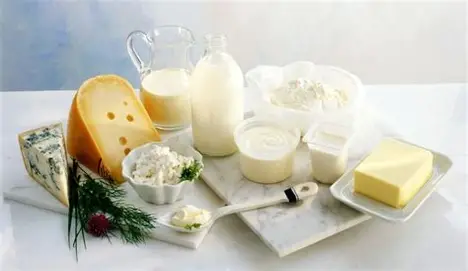
When we think of the best foods to help lower blood pressure , dairy usually doesn’t come to mind. But if there’s one blood pressure–friendly cheese that experts recommend, it’s Swiss.  Swiss cheese, known for its “eyes” (or holes) and mildly sweet and nutty flavor, has healthy properties that might help support better blood pressure levels. Here, we dive into the research behind Swiss cheese’s heart-healthy properties, plus how to incorporate the cheese into a balanced diet plan. Why Swiss Cheese Is the #1 Dairy Product to Lower Blood Pressure

  1. Low in Sodium

Cutting back on sodium is one of the best ways to help lower your blood pressure. And if cheese is a beloved part of your daily diet, swapping some higher-sodium options for Swiss is a smart way to sustain a balanced and enjoyable eating plan. And it’s not hard to do. Swiss is one of the lowest-sodium cheese options out there! A 1-ounce serving of Swiss cheese contains about 52 milligrams of sodium, or 2% of the Daily Value. Compare that to 1 ounce of Cheddar, which has about 185 mg, or 8% of the DV.

  1. Great Source of Calcium

While dairy is often associated with causing heart issues, research shows that calcium in dairy foods such as Swiss cheese does not increase blood pressure or risk for hypertension; in fact, it may reduce the risk of stroke.

       3. Contains Bioactive Peptides

We know protein helps keep you satiated and supports muscle mass, but research suggests that the protein in cheese is also a good source of bioactive peptides, which may benefit blood pressure. Swiss cheese, specifically, contains two peptides—Ile-Pro-Pro and Val-Pro-Pro—that have been shown to have anti-hypertensive effects. However, more research needs to be done to nail down the amount of cheese it takes to reap these health benefits.

How to Enjoy Swiss Cheese

Swiss is delicious as a standalone snack, and it’s just as great paired with other foods or in recipes. Here are a few tasty ways to enjoy Swiss:

  • Pair it with fruit: Swiss cheese goes well with fruit for a low-sodium snack. Any fruit works, but we especially like apples for the flavor combo. This snack is also good for blood pressure and blood sugar, thanks to its dose of calcium, protein, potassium and fiber. 
  • Try it in a sandwich : Try stacking a grilled chicken sandwich with a slice of Swiss cheese, lettuce and slices of tomatoes and avocado. This snack can be part of the Mediterranean and Dietary Approaches to Stop Hypertension (DASH) dietary patterns, which help lower blood pressure.
  • Add it to a salad : Swiss  adds protein and calcium, plus umami flavor, to a bowl of greens. 
  • Pair it with crackers: Try pairing Swiss cheese with whole-grain crackers for an energy boost that promotes blood sugar and blood pressure management.

Other Strategies to Lower Blood Pressure

Although swapping out high-sodium cheeses for Swiss can help reduce your sodium intake. Here are some other ways to help support healthier blood pressure levels:

  • Use herbs and spices: Lean on garlic, ginger, basil and oregano instead of salt to lower sodium intake and reduce blood pressure. A review found that garlic is associated with reduced blood pressure and cholesterol in those with and without chronic high blood pressure.
  • Cut back on alcohol: Drinking too much (which means more than two drinks a day for men and more than one drink a day for women) can spike your blood pressure. Cutting back on wine, beer, liquor and other alcohol can help lower your numbers and support your overall heart health.
  • Eat more plants: Plant-forward eating patterns, such as the Mediterranean diet and DASH diet, can help to lower blood pressure. Research shows these diets are more promising for lowering blood pressure than just salt restriction alone.
  • Get regular exercise: Finding an exercise you love can help you move more and, therefore, lower your blood pressure. The American Heart Association recommends strength training at least two days a week and 2.5 hours of moderate-intensity cardio each week.
  • Choose lower fat dairy options (non-fat or 1%) with your cereal: Milk is so high in fat because the baby needs it to support its brain growth, and as an energy source. Adults, who often get energy from other sources such as fried foods and carbohydrates, do not need all that fat. Watch it!

SUMMARY:

Swiss cheese is significantly lower in sodium than many other cheeses and eating less sodium can help lower blood pressure. Swiss is an excellent source of calcium and has unique bioactive peptides (found in the proteins), which research suggests may also help lower your blood pressure. Adding Swiss to a hearty salad or pairing it with high-fiber fruit and crackers is a smart way to enjoy this nutritious dairy snack.

Remember to stay jiggy!

FURTHER READING:

  1. U.S. Department of Agriculture. FoodData Central. Cheese, swiss.
  2. U.S. Department of Agriculture. FoodData Central. Cheese, cheddar.
  3. Hu MJ, Tan JS, Gao XJ, Yang JG, Yang YJ. Effect of cheese intake on cardiovascular diseases and cardiovascular biomarkersNutrients. 2022;14(14):2936. doi:10.3390/nu14142936
  4. Rangel AHDN, Bezerra DAFVA, Sales DC, et al. An overview of the occurrence of bioactive peptides in different types of cheesesFoods. 2023;12(23):4261. doi:10.3390/foods12234261
  5. Mulawarman R, Trifitriana M, Felani MR, Mulawarman, Tondas AE. Garlic effect on reduce blood pressure and cholesterol in patients with and without hypertension: A systematic review and meta-analysis of randomized controlled trials.J Hypertens. 2021;39(Supplement 2):e4. doi:10.1097/01.hjh.0000752400.24367.fa
  6. Filippou C, Thomopoulos C, Konstantinidis D, et al. DASH vs. Mediterranean diet on a salt restriction background in adults with high normal blood pressure or grade 1 hypertension: A randomized controlled trialClin Nutr. 2023;42(10):1807-1816. doi:10.1016/j.clnu.2023.08.011
  7. American Heart Association. Limiting alcohol to manage high blood pressure.
  8. American Heart Association. Getting active to control high blood pressure.
read more
DIET THERAPY OF DISEASES

WHY YOU SHOULD NOT HEAT YOUR FOOD IN PLASTIC-WARE

Hello folks!

BPA stands for bisphenol A, an industrial chemical that has been used to make certain plastics and resins since the 1950s. BPA is used to make clear, hard plastics and epoxy resins, and it is found in food containers, tableware, baby bottles and other common products. They may also be used in other consumer goods such as food cans, bottle tops, and certain water supply lines. Some dental sealants and composites also may contain BPA. Research presented at the American Diabetes Association’s 84th Scientific Sessions suggests that decreasing exposure to bisphenol A may reduce a person’s risk of developing Type 2 diabetes. 

Other research has shown that BPA can seep into food or beverages from containers that are made with BPA.  Exposure to BPA is a concern because of the possible health effects on the brain and prostate gland of fetuses, infants and children. It can also affect children’s behavior, causing ADHD. Additional research suggests a possible link between BPA and increased blood pressure, cancers, type 2 diabetes and cardiovascular disease. 

However, the U.S. Food and Drug Administration (FDA) has said that BPA is safe at the very low levels that occur in some foods.

WAYS TO AVOID BPA:

  • Use BPA-free products: Manufacturers are creating more and moreBPA-free products. Look for products labeled asBPA-free. If a product isn’t labeled, keep in mind that some, but not all, plastics marked with recycle code 3 or 7 may containBPA.
  • Avoid heat: Don’t put plastic containers in the microwave or dishwasher, because the heat may break them down over time and allowBPA to leach into foods.
  • Focus on fresh, whole foods: When you can, choose fresh whole fruits and vegetables.
  • Use alternatives: Use glass, porcelain or stainless-steel containers for hot foods and liquids instead of plastic containers.

Stay jiggy folks!

For further reading:

Type 2 diabetes: Drinking from plastic bottles may raise risk (medicalnewstoday.com)

read more
DIET THERAPY OF DISEASES

WHAT ABOUT COFFEE?

Hello, people!

Many people approach me to ask about the effects of coffee on health so, here you go! If you feel thankful, feel free to lose 1lb this month in appreciation, you are welcome. 

Coffee is chock full of substances that may help guard against conditions more common in women, including Alzheimer’s disease and heart disease. Coffee also contains antioxidants and other active substances that may reduce internal inflammation and protect against disease. Caffeine has a ‘protective effect’ on Parkinson’s disease risk in a large prospective cohort, according to a study published in Neurology journal.

Coffee can also act as an appetite suppressant for some people. In fact, studies show that drinking coffee up to four hours before a meal can decrease energy intake. Coffee also stimulates the sympathetic nervous system, a branch of the autonomic nervous system that has been shown to reduce hunger and increase satiety. This explains why many people may find that drinking a cup or two of coffee in the morning with breakfast can keep them going until lunch. Chlorogenic acid, a compound found in coffee beans, has been shown to boost fat metabolism in test-tube studies. While it’s not completely clear how it works, chlorogenic acid is thought to regulate certain enzymes and pathways involved in fat accumulation, thereby reducing body fat.

Does decaf count?

If weight loss is your goal, it may be a good idea to keep the caffeine in your coffee. According to Crouch, decaf coffee doesn’t boast the same calorie-burning, appetite-suppressing characteristics as caffeinated drinks.

However, she also points out that decaf may offer some other benefits, as it’s rich in chlorogenic acid

Loading your coffee with cream and sugar

High-calorie syrups and sweeteners can quickly negate many of the benefits that coffee brings to the table. Popular drinks at coffee chains like frappuccinos, sugary lattes, or iced mochas are also loaded with extra calories and unlikely to help with weight loss.

Spruce your Coffee

If black coffee is too bland or bitter for you, instead of sugar and heavy cream, coffee can be upgraded by adding some coconut oil, collagen, plant milk, cinnamon, cocoa and turmeric!

TAKE-HOME:

Coffee, in moderation, is beneficial to cardiac, diabetes, Parkinson’s disease and general health. Be careful and consult your RD or MD if you have history of heart disease, liver/kidney disease, or any other health issues for individualized guidelines. Also, be mindful of commercial “fancy” coffee that is loaded with sugar and its derivatives, heavy cream and whole milk.

Finally, just like any good thing, excess can be harmful. Practice moderation at all times.

Read More:

Caffeine and Parkinson’s Disease: Multiple Benefits and Emerging Mechanisms

Caffeine, coffee, and appetite control: a review – PubMed (nih.gov)

read more
DIET THERAPY OF DISEASES

HABITS TO BOOST ENERGY AND FOCUS

We are almost at the end of the year; unbelievable, I know. This SmartBrief is meant to give provide healthy nutrition sources to help with sustained mental and physical energy. Meals and sample menus on this list should also provide adequate protein, phytochemicals for mental acuity. Remember to start small and make gradual changes. Goodluck!  

1) Build your “Power Plate”

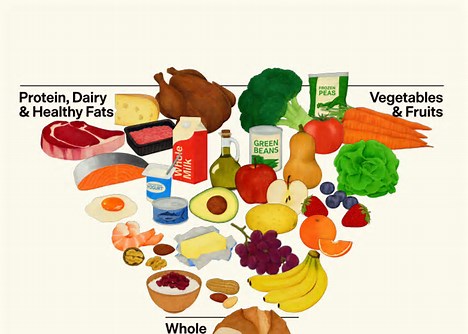
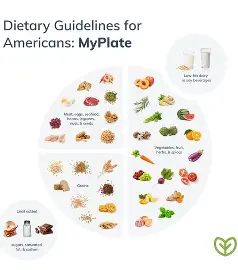
• ½ plate produce (salad, sliced fruit, steamed veggies). 

• ¼ plate protein (beans, lentils, tofu, eggs, yogurt, chicken, fish) .

• ¼ plate slow carbs (oats, brown rice, quinoa, whole-grain pasta, corn, potatoes) 

• Add healthy fats (olive oil, nuts/seeds, avocado) Why it matters: patterns like Mediterranean/DASH are consistently tied to better heart and brain outcomes and quality of life .

2) Five Quick Wins (Evidence-Aligned)

1. Fiber first –: Aim ~25–34 g/day. Start meals with fruit/veg or beans; swap white grains for whole . 

2. Protein evenly, not just at dinner –: Include ~25–30 g at breakfast, lunch, and dinner. 

3. Hydrate for focus :  Keep water visible; drink with each meeting and at breaks . 

4. Watch sodium & added sugar: Keep sodium <2,300 mg/day and added sugar <10% of calories . 

5. Dial down ultra-processed foods (UPFs) : Choose minimally processed options when you can.

3) Workday Meal Ideas (Grab-and-Go)

Sample Breakfast Options: 

• Oatmeal cup + peanut butter + banana 

• Whole-grain toast + 2 eggs + salsa

• Greek yogurt parfait + berries + granola 

Sample Lunch: 

• Grain bowl: quinoa + chickpeas + veggies + olive oil + lemon 

• Turkey or hummus wrap + carrots+ apple 

• Roasted veggies + salmon/tofu over brown rice 

Sample Snacks: 

• Nuts & fruit 

• Hummus & snap peas 

• Cottage cheese & pineapple 

• Roasted edamame 

• Apple + string cheese 

4) Label Low-Stress Shopping Rules

• Fiber ≥4 g per serving (cereals, breads, crackers) 

• Choose added sugar ≤6 g per serving 

• Sodium ≤140 mg per serving for snacks; ≤600 mg for entrees.

5) Hydration Cheat Sheet

• Keep a 20–24 oz bottle at your desk; finish 2–3 bottles during work hours. 

• Rotate plain water, sparkling water, or unsweetened tea/coffee . 

• Use ‘habit hooks’: sip at calendar alerts, before calls, after bathroom breaks.

6) Some Weekly Micro-Challenges:

Mon: Add one cup of vegetables at lunch. 

Tue: Protein-at-breakfast day. 

Wed: Swap one UPF snack for nuts/fruit. 

Thu: Keep sodium <2,300 mg. 

Fri: Hit 30 g fiber (beans/lentils at lunch).

7) Budget-Savvy Staples:

Some examples of pocket-friendly options that you may get at United or La-Tienda and start to incorporate into your diet. Examples are oats, brown rice, dry beans/lentils, frozen vegetables/berries, canned no-salt-added tomatoes/beans, eggs, peanut butter, canned tuna/salmon, whole-grain pasta.

Focus on these recommendations:

• Protein distribution: ~25–30 g/meal supports muscle protein synthesis. 

• Hydration & cognition: hydration linked to better attention and memory. 

• Fiber targets: 14 g/1,000 kcal (≈25–34 g/day).

Hopefully, some pf you have picked up something from this. Feel free to send me an email if you have specific questions.

Have a restful and celebratory Thanksgiving!

read more
GENERAL RESEARCH

ASPARTAME AS A CARCINOGEN (What You Need to Know)

Back in July of 2023, the International Agency for Research on Cancer (IARC), the World Health Organization (WHO) and the Food and Agriculture Organization (FAO) Joint Expert Committee on Food Additives (JECFA) (classified aspartame as possibly carcinogenic to humans. The IARC classified aspartame as possibly carcinogenic to humans (Group 2B) on the basis of limited evidence for cancer in humans (specifically, for hepatocellular carcinoma, which is a type of liver cancer).

Aspartame is an artificial (chemical) sweetener, about 200X sweeter than sugar. It is widely used in various food and beverage products since the 1980s. Food products containing aspartame include diet drinks, chewing gum, gelatin, ice cream, dairy products such as yogurt, breakfast cereal, toothpaste, tabletop sweeteners sold under brand names including Equal and Nutrasweet and medications such as cough drops and chewable vitamins. 

Regardless of the suspicion that it may cause cancer, previous research indicates that it may also increase cortisol levels and alter the activity of the microbes responsible for the breakdown of food in the digestive tract

However, the JECFA reaffirmed the acceptable daily intake of 40 mg/kg body weight, meaning that although this is concerning, if you’re only consuming aspartame containing foods in moderation there is nothing to worry about.

https://www.who.int/news/item/14-07-2023-aspartame-hazard-and-risk-assessment-results-released

read more
GENERAL RESEARCH

NON-STICK PANS AND FALL PRODUCE

  1. Per- and polyfluoroalkyl substances (PFAS) such as Perfluorooctanoic acid (PFOA)are a class of chemicals used to make things non-stick, stain-resistant, and waterproof. Some microwave popcorn bags, fast-food wrappers, rain jackets and other consumer products use these chemicals’ slippery properties. Unfortunately, PFAS and their bi-products accumulate in the environment and may harm human health, potentially causing abnormal thyroid hormone levels, reduced immune system response, act as endocrine disruptors in males and females, and cancer.  
  2. Fall produce, including apples, winter varieties of squash, kale and Brussels sprouts, whether eaten fresh, frozen or canned, provide healthful benefits, say registered dietitians, who offer tips to get the maximum nutrition from this season’s bounty. Leave the skin on fruits and vegetables. This is because plenty of the food’s nutrients are housed in the skins, which are edible and delicious. Cooking produce with fat makes certain nutrients more bioavailable, and adding spices like cinnamon and cardamom can boost antioxidants. 

When recipes call for a non-stick pan or other non-stick cookware, try substituting it with cast iron or stainless steel. These durable alternatives serve the same purpose when used properly. There are many coatings and materials marketed as healthy alternatives to non-stick, but ceramic coated pans, cast iron and stainless steel are time-tested and proven to be safe. For cooking in the oven, ceramic or glass are good options. 

These durable alternatives serve the same purpose when used properly. There are many coatings and materials marketed as healthy alternatives to non-stick, but cast iron and stainless steel are time-tested and proven to be safe.  If you already own non-stick cookware, consider the following while using to prevent the release of PFAS:   

• Cook at medium and low temperatures and use ventilation.  

• Never cook on high heat, as this may release PFAS into food or the air.  

• Use wooden cooking utensils to prevent scratching the coating of the cookware, as scratches can promote the release of PFAS.  

Further reading: 

Endocrine Disruptors (nih.gov) 

read more
LIFESTYLE

KEEPING IT REAL THESE HOLIDAYS

Happy Thanksgiving and Merry Christmas!

I promise that it is not my intention to ruin your thanksgiving and Christmas . However, I owe a duty to any of you who would like to keep their labs or waistlines in check over the holidays, so that you don’t have to struggle with bad health. So, if that is not your cup of coffee, please feel free to skip this.

We often arrive at the holiday meal table excited to enjoy the feast ahead. Afterward, you may feel concerned that you might overdo it. These are some tricks I teach my patients to help them feel at ease during the holidays. First, it’s permitting yourself to enjoy the foods you like because it makes it easier to avoid overeating. There is some research to support this! The more exposure and acceptance you have of those foods, the less likely you are to overeat. 

  1. Manage Cravings: Eating a healthy breakfast would keep you full and help you manage cravings throughout the day. Some breakfast ideas include Greek yogurt , berries , chia, and pumpkin seeds. You can enjoy a grain bowl with farro, chickpeas, arugula, salmon, and avocado for lunch.  Each meal contains protein, fiber, and healthy fats, which will keep you full, balance your blood sugar, and manage your cravings, setting you up for success at your holiday festivities. 
  1. Eat your Vegetables and Lean Protein : The recommendation is to make half of your plate vegetables, one quarter of your plate protein, and one quarter starches or carbohydrates. Protein takes a little longer for your body to digest than carbohydrates. As a result, it helps you feel full and, when eaten with carbohydrates, can balance blood sugar levels by minimizing blood sugar spikes and crashes. This will result in stable energy post-meal (i.e., no turkey coma) and fewer cravings. If you are cooking, and if you are doing stuffing or something that’s a carb, add vegetables to it; add onion, or spinach, or kale or something. Finding the carbs and fat to add to your plate is easy, but sometimes, finding a protein source takes intentionality. To build a balanced meal, fill ¼ of your plate with protein and fill the rest with your preferred carbs, fat, and veggie sources. Now, your dish will be nutritious and satisfying. Some common protein sources in your holiday spread may include poultry, beef, pork, eggs, fish, cheese, tofu, quinoa, beans, milk, and Greek yogurt. *I strongly advise limiting deli meat such as ham due to the high content of nitrites, sodium, and other preservatives.
  1. Manage Overindulgence: To set yourself up for success and avoid overindulging, Brown encourages you to eat small meals through the day while preparing the big meal, so you’re not too hungry when it comes time for the big Thanksgiving feast. For example, if you know your big Thanksgiving meal is 5 pm, plan a balanced breakfast around 9 am and lunch in the afternoon around 1 pm.
  1. Walk it Off: A good rule of thumb is to eat a balanced meal every 4-5 waking hours.  Depending on your health goals, staying consistent with your exercise routine might be a priority during the holidays. Movement may help regulate blood sugar levels, manage stress, and aid digestion. Some people may need to adjust their exercise routine during the holidays to accommodate traveling, being away from their local gym, and having a busier schedule than usual. A simple way to prioritize movement is to include regular walks after a meal. Light exercise can help ease feelings of fullness and bloating. Ask a friend or family member to walk with you to make it fun and social. 

Finally, DON’T SWEAT IT! 

The holidays are a special time of year, and you should enjoy all foods with your loved ones. Regular behaviors are more important for your health, so enjoy the holiday and don’t be too hard on yourself.  Focus on being present during meal times by decreasing distractions. This will help you tune into your “fullness meter” while eating your balanced meal. 

You can practice mindful eating at any holiday event, including family get-togethers or casual hangouts with friends.  Engaging in mindful eating can help you enjoy your favorite holiday foods without compromising your health goals.

Conclusion:

I encourage you to get a fist-size amount of non-starchy vegetables as part of your first plate of food. Examples include sautéed greens, cauliflower mash, roasted Brussels sprouts, or spaghetti squash with basil pesto. 

The fiber in these items allows your “full button” to go off. You can apply this strategy in any environment with yummy foods. 

If you’re worried there won’t be a vegetable option, offer to bring a side dish. This way, you’re helping the host and bringing foods that will help you feel comfortable after eating.

Some healthy holiday recipes:

https://recipes.heart.org/en/collections/lifestyles/holiday

https://lexiscleankitchen.com/clean-eating-recipes-holidays

https://eatingwell.com/recipes/17938/holidays-occasions/christmas

read more
GENERAL RESEARCH

ULTRAPROCESSED FOODS AND GLAUCOMA RISK

Hi again, people!

A study published in Nutrients found an association between consumption of ultra-processed foods and glaucoma, particularly in men and older adults, with researchers saying higher blood glucose levels may be the reason. The research involved 19,225 adults followed for nearly 13 years and showed the most significant increased risk of glaucoma in men over age 55 who consumed sweet ultra-processed foods. 

Another recent study published in the journal Cell Metabolism compared the effects of an ultra-processed diet to the effects of an unprocessed diet on calorie intake and weight gain. The researchers found that study subjects consumed about 500 more calories per day on the ultra-processed diet versus the unprocessed diet. The ultra-processed diet period was marked by an increased intake of carbohydrate and fat, but not protein. Participants gained on average two pounds during the ultra-processed diet phase, and lost two pounds during the unprocessed diet phase. The authors concluded that limiting ultra-processed foods may be an effective strategy for preventing and treating obesity.

WHAT ARE ULTRA-PROCESSED FOODS?

 UPFs are foods that go through multiple processes (extrusion, molding, milling, etc.), contain many added ingredients and are highly manipulated.  Ultra-processed foods are made mostly from substances extracted from foods, such as fats, starches, added sugars, and hydrogenated fats. They may also contain additives like artificial colors and flavors or stabilizers. Examples of these foods are frozen meals, ice cream, packaged soups, patties and chicken nuggets, hotdogs, soft drinks, hot dogs and cold cuts, fast food, packaged cookies, cakes, and salty snacks.

What is the alternative Good old natural, minimally processed foods that are high in protein, micronutrients, phytochemicals and anti-oxidants. 

ENJOY IN MODERATION!

FURTHER READING:

https://www.cell.com/cell-metabolism/pdf/S1550-4131(19)30248-7.pdf

Nutrients | Free Full-Text | Is Ultra-Processed Food Intake Associated with a Higher Risk of Glaucoma? A Prospective Cohort Study including 19,255 Participants from the SUN Project (mdpi.com)

read more
MEN’S HEALTH

DIET SODA AND AUTISM IN BOYS

Happy New Month folks!

Most people consider Diet Sodas a viable alternative to regular soda, so I wanted to bring this to your attention. 

A study conducted at the University of Texas at San Antonio found that there is an association between autism diagnosis in boys and daily consumption of diet soda or comparable amounts of aspartame by their mothers during pregnancy or breastfeeding. No statistical significance was found between diet soda intake and autism in girls. Also recall that late last year, Aspartame was associated with incidence of cancer.

While Diet Soda may be a viable alternative to Regular Soda for people who are Diabetic, as well as its comorbidities such as Fatty Liver Disease, Diet Soda has also been linked to disruption of gut microbiota, erosion of teeth enamel due to its acidity (much like any other highly acidic food), and poor cardiovascular health.

In summary, I would advise caution and moderation.

Further Reading: 

Drinking diet sodas and aspartame-sweetened beverages daily during pregnancy linked to autism in male offspring – UT Health San Antonio (uthscsa.edu)

read more
DIET THERAPY OF DISEASESGENERAL RESEARCH

TUMERIC AND LEAD POISONING

Good day y’all

The year is in full gear, and as you know the world of science never sleeps.

Recently, some news rocked the nutrition world. It was found that some populations with high intake of lead were turning up with lead poisoning. This is contrary to our general association of turmeric with antioxidant and anti-inflammatory properties, so I did some digging and came up with some findings on the subject.

Turns out that to heighten their color, the rhizomes from which turmeric is extracted are routinely dusted with lead chromate, a neurotoxin. The practice helps explain why South Asia has the highest rates of lead poisoning in the world. At high levels of exposure to lead the brain and central nervous system can be severely damaged causing coma, convulsions and even death. 

Note: Lead poisoning, is also known as plumbism and saturnism.

So, if you take turmeric powder with your teas like I do, or use it in seasoning, ensure you are getting organic product . Or better still, buy the roots and process by yourself at home. 

Better safe than sorry!

Further Reading:

Ground Turmeric as a Source of Lead Exposure in the United States – PMC (nih.gov)

read more
1 2
Page 1 of 2