
I recently accompanied my aunt to visit an elderly relative who suffers from Alzheimer’s Disease at a Nursing home. Her state was so pitiful and sad, and she had degenerated so much that my aunt teared up at the sight of her; a shadow of her usual self and virtually unrecognizable. This hit me really bad and I decided to do something on it. I hope you are well educated by this.

Alzheimer’s disease is a progressive neurodegenerative condition that affects memory, thinking, and
daily functioning. While there is currently no cure or proven dietary treatment for Alzheimer’s disease,
research suggests that overall dietary patterns and good nutrition may help support brain health,
maintain function, and improve quality of life, especially for individuals living with the condition.
This article explores what science currently supports regarding diet and Alzheimer’s disease,
separating evidence-based guidance from common myths.
Important caveat:
This content is for educational purposes only and is not intended to replace medical
advice. Individuals with Alzheimer’s disease should consult healthcare professionals for personalized
care.
Understanding Alzheimer’s Disease:
Alzheimer’s disease is the most common cause of dementia and is characterized by gradual memory
loss, difficulty with language and reasoning, and changes in behavior.
What Research Says About Diet and Alzheimer’s Disease:
Current scientific consensus does not support the idea that any single food or supplement can prevent, treat, or cure Alzheimer’s disease. However, several observational studies suggest that certain dietary
patterns are associated with better cognitive health.

A recent study found that age related decline could start as early as 45, crazy, isn’t it? The good news is that a number of encouraging research avenues indicate that risk of dementia and Alzheimer’s could be reduced in the early stages by a comprehensive optimum nutrition approach, yes, I highlighted that on purpose until you all learn that virtually every ailment can be linked to diet. The strongest evidence to date relates to raised homocysteine levels, which both predicts risk and can cause the kind of brain damage seen in Alzheimer’s, caused by lack of B vitamins, especially B12 which is progressively mal-absorbed with age. Homocysteine is a neurotoxin, capable of directly damaging the medial temporal lobe, which is the area of the brain that rapidly degenerates in AD. Homocysteine is easily lowered with common B vitamins, gotten from veggies and fruits. So, eat your veggies!
Other nutrition-related solutions suggested by research to ameliorate cognitive decline include routine omega 3s (DHA) supplementation, antioxidants such as Vitamin E (due to the inflammatory nature of Alzheimer’s) and acetylcholine which is a key part of memory function (which is usually deficient in Alzheimer’s cases).
Evidence-Based Dietary Patterns
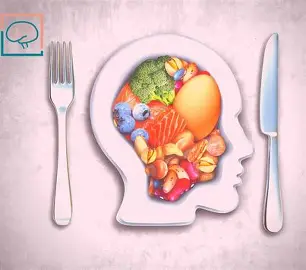
Mediterranean-Style Diet: This dietary pattern emphasizes fruits, vegetables, whole grains, legumes, nuts, olive oil, and fish, and has been associated with slower cognitive decline.
MIND Diet: The MIND diet combines Mediterranean and DASH principles, emphasizing leafy greens, berries, whole grains, fish, and nuts. This dietary pattern has been shown to reduce risk of Alzheimer’s by 35% in study participants who followed it moderately, and up to 60% in those who followed it rigorously.
Role of Nutrients and Phytonutrients on Brain Health:
Omega-3 fats:

Omega-3 fats are mostly found in carnivorous, cold water fish such as salmon, tuna, herring and mackerel. According to a study by Dr. Martha Morris and colleagues at Chicago’s Rush Institute for Healthy Aging, eating fish once a week may reduce your risk of developing Alzheimer’s by as much as 60 per cent.
Antioxidants:
Inflammatory reactions refer to the rapid production of oxidants and free radicals. Inflammation may be caused by disease process, diet, alcohol/tobacco intake or just daily stress associated with life and living. In the setting of increased inflammation and oxidation, there is an increased need for antioxidants like vitamin A, beta-carotene, and vitamins C and E, all of which have been shown to be low in those with Alzheimer’s. Other bioactive components, including cysteine, glutathione, lipoic acid, anthocyanidins, and co-enzyme Q10 and melatonin may also prove important for brain health. Finally, according to the Center for Disease Prevention and Control, eating a lot fresher fruit and vegetables (at least six portions a day), oily fish and seeds is incredibly healthy for the brain and crucial to its function.
Stress, Cortisol and Memory Loss:
Under prolonged stress, the body produces the adrenal hormone cortisol. Research by Professor Robert Sapolsky at Stanford University has shown that although cortisol is a powerful anti-inflammatory hormone, raised cortisol can damage the brain. In studies with rats he found that two weeks of induced stress causing raised cortisol levels causes dendrites, (connections between brain cells), to shrink. He believes that brain cell loss in ageing and Alzheimer’s may be, in part, due to high levels of cortisol and recommends that corticosteroid drugs should not be used in Alzheimer’s patients for other medical problems like asthma or arthritis.
Why Do Some Foods Place people at risk of Alzheimer’s?
The brain needs its own brand of fuel (exclusively carbohydrate sources of glucose). It requires healthy fats, fruits, vegetables, lean proteins, and adequate vitamins and minerals for optimal function. Consuming too little of these foods and too many complex carbohydrates, processed foods and sugar stimulates the production of toxins in the body. Those toxins can lead to inflammation, the build-up of plaques in the brain and, as a result, impaired cognitive function. These effects apply to people of all ages, not just elders.
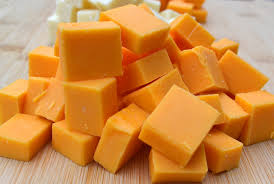
Here’s a list of foods that have been linked to increased rates of Alzheimer’s disease:
Unfortunately, the foods that hamper memory are common staples in the modern diet. White breads, pasta, processed meats and cheeses, all of these have been linked to Alzheimer’s disease. Not saying any of these foods directly cause the disease because “association is nit causation”, however, since these have been also found to contribute to several other chronic diseases, moderation would not hurt.
*Processed meats, such as bacon, smoked turkey from the deli counter and ham. Smoked meats like these contain nitrosamines, which have been associated with various forms of cancer.
*Beer. Most beer contain nitrites, which have been linked to Alzheimer’s.
*Microwave popcorn contains diacetyl, a chemical that may increase amyloid plaques in the brain, which is often the first step in Alzheimer’s development.
Foods That Boost Memory:

Changing dietary habits is never easy. However, avoiding foods that induce memory loss and eating more of the foods that boost memory improves your chances of enjoying all-around health. Therefore, here’s the list of foods that help staves off inflammation and also helps boost mental acuity:
*Leafy green vegetables
*Salmon and other cold-water fish
*Berries and dark-skinned fruits
*Coffee and chocolate
*Extra virgin olive oil
*Cold-pressed virgin coconut oil.
Cut Down on Refined Sugars:
Often found in processed foods, refined sugars contain calories but lack vitamins, minerals and fiber. You can tame a sweet tooth with healthier options like fruit or juice-sweetened baked goods. However, note that in the later stages of Alzheimer’s, if loss of appetite is a problem, adding sugar to food may encourage eating.
Limit Foods with High Sodium and Minimize Salt.

Most people consume more sodium than recommended, which affects blood pressure. Cut down by using spices or herbs to season food as an alternative.
As the disease progresses, loss of appetite (anorexia) and weight loss may become concerns. In such cases, the doctor may suggest supplements between meals to add calories. Staying hydrated may be a problem as well. Encourage fluids by offering small cups of water or other liquids throughout the day or foods with high water content, such as fruit, soups, milkshakes and smoothies.
Possible Causes of Poor Appetite in Alzheimer’s:
Understand that the patient is not conscious of their decisions and that you need to be tolerant of their actions. These side effects of aging and the disease process may also contribute to maladaptive feeding habits and poor appetite:

Not recognizing food: The person may no longer recognize the foods you put on his or her plate.
Poor fitting dentures. Eating may be painful, but the person may not be able to tell you this. Make sure dentures fit and visit the dentist regularly.
Medications. New medications or a dosage change may affect appetite. If you notice a change, contact the physician.
Not enough exercise. Lack of physical activity will decrease appetite. Encourage simple exercise, such as going for a walk, gardening or washing dishes.
Decreased sense of smell and taste. The person with dementia may not eat because food may not smell or taste as good as it once did.
Ways to Encourage Feeding in Alzheimer’s:
Now we know that Alzheimer’s disease patients require extra care, patience and attention. Providing a healthy diet regimen without getting it into them would be highly ineffective. Here are some ways to get through to Alzheimer’s disease patients:
*Serve meals in quiet surroundings, away from the television and other distractions.
*Keep the table setting simple.

*Avoid placing items on the table — such as table arrangements or plastic fruit — that might distract or confuse the person. Use only the utensils needed for the meal.
*Distinguish food from the plate.
*Changes in visual and spatial abilities may make it tough for someone with dementia to distinguish food from the plate or the plate from the table. It can help to use white plates or bowls with a contrasting color placemat. Avoid patterned dishes, tablecloths and placemats.
*Check the food temperature. A person with dementia might not be able to tell if something is too hot to eat or drink. Always test the temperature of foods and beverages before serving.
*Serve only one or two foods at a time. Too many foods at once may be overwhelming. Simplify by serving one dish at a time. For example, mashed potatoes followed by meat.
*Be flexible to food preferences. Keep long-standing personal preferences in mind when preparing food, and be aware that a person with dementia may suddenly develop new food preferences or reject foods that were liked in the past.
*Give the person plenty of time to eat. Remind him or her to chew and swallow carefully. Keep in mind that it may take an hour or longer to finish eating.
*Eat together. Make meals an enjoyable social event so everyone looks forward to the experience. Research suggests that people eat better when they are in the company of others. Keep in mind the person may not remember when or if he or she ate.
*If the person continues to ask about eating breakfast, consider serving several breakfasts — juice, followed by toast, followed by cereal.
What Diet CANNOT Do
Diet cannot cure Alzheimer’s disease or replace medical treatment.
Final Thoughts
Diet management should focus on balanced, evidence-based nutrition and realistic expectations
alongside professional care.