close

DIABETES

GENERAL RESEARCHMEN’S HEALTHWOMEN’S HEALTH

TAKE YOUR OATS!

Witty topic right? I know, lol! 

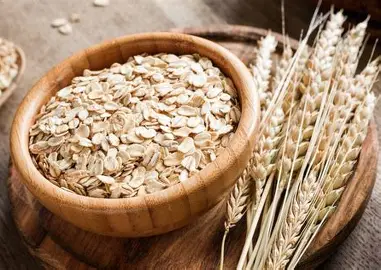
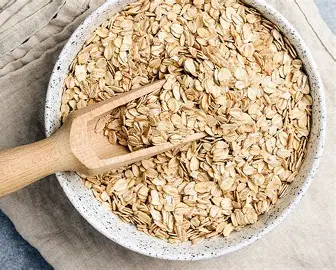
Whole grains, such as oats, are often recommended for their beneficial effects on the gastrointestinal tract. The role that beneficial bacteria in the human digestive tract play in human health is an area of great interest, with potential health effects ranging from immune health to reducing risk for obesity and chronic disease. This piece is long overdue, as it provides a viable and delicious alternative to the everyday cereal, garnished with preservatives and enriched with sugar and sodium which do nothing but wreck havoc on the metabolic health of adults and children alike. Asides from providing that rich dietary fiber for your normal flora to feast on (with undeniable benefits), oats are nutrient-dense superfoods which contain complex carbohydrates (amazing for diabetic patients), protein, unsaturated fats, vitamins B1, B5, B6, Folate, E, manganese, phosphorus, magnesium, iron, zinc, copper, selenium, among others. Oats are also high in phytochemicals and antioxidants such as avenanthramides (which is discussed in some detail below) and phenolic acids.

This post is not exhaustive of the health benefits this wonderful grain portends, but it attempts to make a compelling argument for you to try it today! Therefore, some benefits of oatmeal include:

Cardiovascular Benefits:

A review of the most recent and compelling studies on oats and oat bran and cardiovascular disease risk factors concluded that oats and oat bran lower total cholesterol and LDL-C by respectively 2-19 percent and 4-23%; the effects are particularly prominent among people with high cholesterol levels. Oatmeal also contains a special type of antioxidant called avenanthramide. Avenanthramides fight off free radicals that attack high-density lipoproteins, or HDL (good cholesterol). They also protect LDL cholesterol from oxidizing from copper, which reduce the risk of developing cardiovascular disease. The cholesterol-lowering effect of oat beta-glucan depends on its viscosity in the small intestine, and therefore its molecular weight. A high molecular weight means it can be released from the food matrix during digestion and form a viscous gel inside the small intestine.
Staves off Weight Gain:

Oats are a miracle for those who want to lose weight! Beta-glucans helps prevent weight gain by providing satiety for a longer period thereby delaying hunger while the body makes use of fat reserves, and voila! boop boop goes the pounds from the scale.

Blood Glucose Sterilization:

Oats are high in fiber which help in stabilizing blood sugar. This is especially relevant to diabetics who require blood glucose regulation. Aside from fiber, oatmeal is also a good source of magnesium, which regulates the body’s insulin and glucose levels.

Prevents Hardening of Arteries:
Avenanthramides not only protect against heart disease, but they also prevent the arteries from hardening. Those antioxidants suppress the production of molecules that allow monocytes to adhere to the walls of the arteries. Research has shown that postmenopausal women who eat six servings of whole grains a week reduced their risk of developing atherosclerosis, which is the build-up of plaque along the passageways of the arteries, and slowed the progression of stenosis, which causes the passageways of the arteries to narrow. When paired with vitamin C, the cardiovascular benefits of oatmeal are enhanced, so drink a glass of orange juice or eat some citrus with your oatmeal.

Boosts Immune System:

Oatmeal’s beta-glucan fiber protects against heart disease and also keeps the immune system active. It helps the immune cells seek out and repair areas or the body that may be fighting a bacterial infection.

Oats and Hangovers:

Oats can neutralize the acidic environment which results from drinking and is contributory to that terrible hangover feeling. Further, as hangovers are the result of the toxins found in alcohol, a bowl of porridge can genuinely help to relieve the symptoms. Oats also contain one of the highest levels of soluble fiber of any cereal, and soluble fiber is essential for healthy digestion. Alcohol reduces sugar levels and the slow-releasing carbohydrates in porridge help redress this. The soluble fiber and complex carbohydrates also found in porridge release energy slowly, thereby ensuring a slow but steady supply of sugar and glycemic stability. So, eating a bowl for breakfast should see you comfortably through to lunch time, even with a hangover.
Nature’s Own Viagra:

Porridge oats improve the libido in both men and women by balancing testosterone and estrogen levels. Basically, low testosterone means low sex drive. If you have this problem then porridge could well be the answer, it’s got to be worth a try.

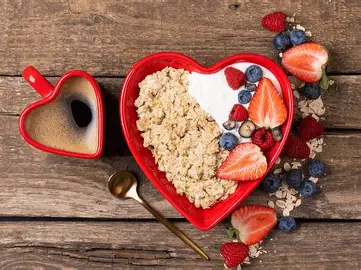
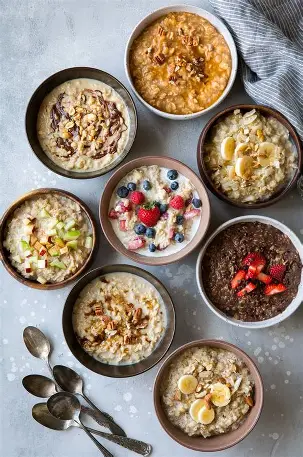
Oats make a great substitute to the notorious sugary cereals we have on the shelves nowadays, and can be enjoyed with milk, peanut powder and fruit as a filling and nutritious breakfast. To add even more value to the meal, carrots, strawberries and cabbage could be added to it to make your breakfast a complete one.

In all, remember that moderation is key. Do not go crazy on the stuff as oats also contain phytates which interfere with iron, zinc, calcium and magnesium absorption in the small intestine.

Hasta la vista, baby!!
read more
GENERAL RESEARCH

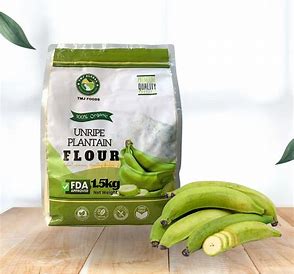
UNRIPE PLANTAIN FLOUR: UNTAPPED GOLDMINE?

I would die on the hill that God placed all we need for a healthful life in the food he gave us, but we somehow derailed unto the belief that we can ultra processed our meals and still enjoy a long and healthy one. I was at a store today to do a little shopping when I saw a woman come in to get packaged unripe plantain flour. I casually asked her what for and she told me her mother suffered from diabetes and had this recommendation from a friend. I did not bother to ask what qualifications this friend had but made a resolve to get a clearer understanding of what properties unripe plantain flour could contain that makes it a workable substitute to the conventional wheat flour for diabetics. Y’all know I am not one to hoard, so here you go:

1.) First and foremost, unripe plantain is essentially composed of unrefined carbohydrates (complex sugars). These complex carbohydrates ensure a slow and sustained release of energy into the blood stream, reducing glycemic excursions and preventing hyperglycemia.

2.) Unripe plantains are rich in dietary fiber (about 4g per cup) which adds bulk to stool, reduces the risk of constipation and binds to sugars and carcinogens in the G.I.T and disposing of them through feces.

3.) They contain no GLUTEN, an allergen which could cause reactions in those who are unable to consume wheat containing meals and food products.

4.) Plantains in general are famed to be diuretics which can prevent kidney and bladder problems and also rescue people from fluid retention (edema).

5.) They are good sources of vitamin C, B-complex vitamins (particularly B6) and minerals such as magnesium, zinc, manganese, potassium and a modest amount of iron (1.64mg per 100g). A study conducted at the Abia State University, Uturu noted that unripe plantain flour contained a higher amount of the aforementioned minerals than when ripened. Now, heart diseases are a well known complication of diabetes and these minerals are heart healthy.

6.) Diabetes is a comorbidity of obesity. It has been shown that weight loss reduced A1C in diabetic patients by improving insulin sensitivity and reducing LDL and Trig levels. The dietary fiber and complex carbohydrate content of unripe plantains induce satiety and ensures glycemic stability which lead to weight loss in the long run.

7.) Unripe plantain flour contains phytochemicals such as tannins, saponins, alkaloids, and flavonoids. These phytochemicals act as antioxidants which scavenge free radicals and prevent the onset of cancer and other inflammatory conditions in the long run. Alkaloids, also found in morphine, coffee and nicotine have been used by naturopaths to reduce fever and relieve pain.

Other reasons to indulge include:

1.) Plantains have more vitamin C than bananas. Consumption of foods rich in vitamin-C helps the body develop resistance against infectious agents and scavenge harmful oxygen-free radicals.

2.) Plantains have more vitamin A than bananas. In addition to being a powerful antioxidant, vitamin A plays a vital role in the visual cycle, maintaining healthy mucus membranes, and enhancing skin complexion.

3.) As in bananas, they too are rich sources of B-complex vitamins, particularly high in vitamin-B6 (pyridoxine). Pyridoxine is an important B-complex vitamin which plays a beneficial role in the treatment of neuritis, anemia, and decreases homocysteine (one of the causative factors for coronary artery disease (CHD) and stroke episodes) levels in the body.

4.) Plantains also contain folates, niacin, riboflavin and thiamin. Folates (folic acid) are essential for healthy pregnancy.

5.) It has also been said that unripe plantains ease the discomfort associated with painful menstrual period, although high quality studies are needed to prove this claim.

How to Make Unripe Plantain Flour:

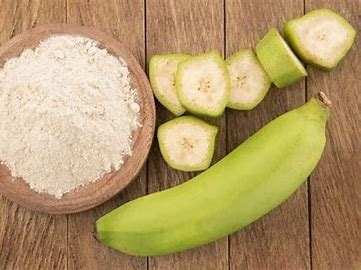
-To make Plantain flour, simply dehydrate (or sun dry) raw unripe plantains, mill and sieve into a powder. Prepare the same way as semolina (use less water).

I’m not giving wheat flour a bad rap; it definitely does have its attractions as well. I’m just providing a substitute, an alternate; probably an even healthier one to wheat flour.

Alright, have a wonderful day!

read more
GENERAL RESEARCH

MORINGA: HEALTH BENEFITS

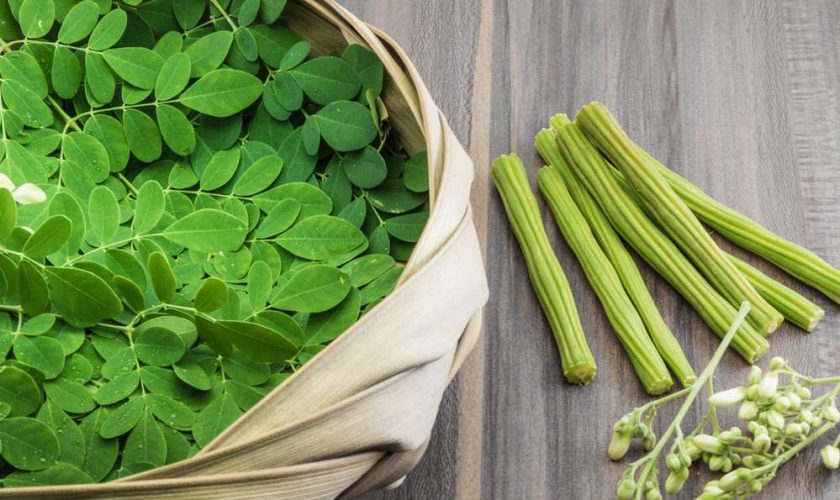
I am a big fan of extracting substance from ancient wisdom and practices, for present and future application; because why reinvent the wheel, right? Until now, various longitudinal studies have confirmed that Moringa is a natural energy booster, strengthens the immune system, has antibiotic properties, cures headaches, migraines, asthma, and ulcers, reduces arthritic pains and inflammations and restricted tumor growths. Nutritionists say the Moringa plant has more iron than “Kontonmire”. Amazingly, the leaves of this extraordinary tree contain 7 times the vitamin C found in oranges, 4 times the calcium in milk, 4 times the vitamin A in carrots, 2 times the protein of yogurt, 25 times the iron in spinach, and 3 times the potassium in bananas!

*In the field of medicine, it has been found out that Moringa can help to prevent common killer diseases like hypertension and diabetes and has become the poor man’s prophylaxis against malaria and some common ailments.

*Moringa can also detoxify the body given its ability to purify water by attaching itself to impurities and harmful bacteria and allowing them to be expelled as a waste.

*There is a growing global interest in the use of Moringa to address malnutrition because it is readily available and inexpensive. In Africa, it has become popular as a locally produced nutritional supplement for individuals infected with the Human Immuno-deficiency Virus (HIV)/Acquired Immune Deficiency Syndrome (AIDS) virus. Nursing mothers have shown to produce far more milk and malnourished children gained more weight after the leaves were added to their diets.

Phytochemical Composition.

Moringa oleifera provides a rare combination of zeatin(a potent antioxidant), quercetin (a flavonoid known for its ability to neutralize free radicals and relieve inflammation), beta-sitosterol (a nutrient superstar that blocks cholesterol formation or build-up and is an anti-inflammatory agent for the body), caffeoylquinic acid (another powerful anti-inflammatory compound), and kaempferol(a key nutrient that promotes healthy body cellular function). All in all, enzymatically active and bioavailable moringa oleifera provides 36 natural anti-inflammatory agents. Free radical damage caused by electron-seeking, highly reactive, oxidative molecules has been identified as the source of many maladies through mechanisms such as inhibition of telomerase, changes to cellular permeability and DNA damage. Further, it has been established that moringa oleifera contains 46 different antioxidants. This “miracle tree” is able to provide all of the amino acids required by the human body. Protein is needed not only for the structural components such as muscle and tissues, but neurotransmitters, hormones, enzymes and immunoglobulins as well. There are various nutrients that can have a beneficial effect on enhancing immune system function and Moringa oleifera certainly qualifies in this category due to the ability to provide several of these phytonutrients.

Moringa is also used to reduce swelling, increase sex drive (as an aphrodisiac), and boost the immune system. Some people use it as a nutritional supplement or tonic. Moringa is sometimes applied directly to the skin as a germ-killer or drying agent (astringent). It is also used topically for treating pockets of infection (abscesses), athlete’s foot, dandruff, gum disease(gingivitis), snakebites, warts, and wounds.

Side Effects and Precautions:

Moringa is POSSIBLY SAFE when taken by mouth and used appropriately. The leaves, fruit, and seeds might be safe when eaten as food. However, it’s important to avoid eating the root and its extracts. These parts of the plant may contain a toxic substance that can cause paralysis and death. Although moringa has been used safely in doses of up to 6 grams daily for up to 3 weeks, there isn’t enough information to conclude on the safety of moringa in medicinal quantities.

Pregnancy and breast-feeding: It’s LIKELY UNSAFE to use the root, bark or flowers of moringa if you are pregnant. Chemicals in the root, bark, and flowers can make the uterus contract, and this might cause a miscarriage. There is not enough information available about the safety of using other parts of moringa during pregnancy. Stay on the safe side and avoid use.

Moringa is sometimes used to increase breast milk production. Some research suggests it might do this, however, there isn’t enough information to know if it is safe for the nursing infant. Therefore, it is best to avoid moringa if you are breast-feeding.

read more