
close

WOMEN’S HEALTH

GENERAL RESEARCHMEN’S HEALTHWOMEN’S HEALTH

TAKE YOUR OATS!

Witty topic right? I know, lol! 

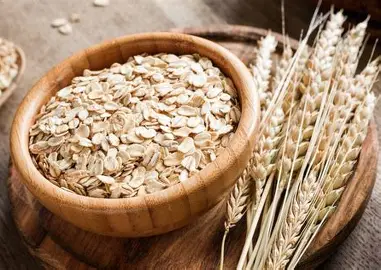
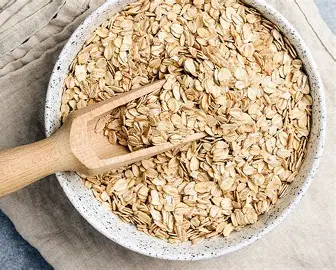
Whole grains, such as oats, are often recommended for their beneficial effects on the gastrointestinal tract. The role that beneficial bacteria in the human digestive tract play in human health is an area of great interest, with potential health effects ranging from immune health to reducing risk for obesity and chronic disease. This piece is long overdue, as it provides a viable and delicious alternative to the everyday cereal, garnished with preservatives and enriched with sugar and sodium which do nothing but wreck havoc on the metabolic health of adults and children alike. Asides from providing that rich dietary fiber for your normal flora to feast on (with undeniable benefits), oats are nutrient-dense superfoods which contain complex carbohydrates (amazing for diabetic patients), protein, unsaturated fats, vitamins B1, B5, B6, Folate, E, manganese, phosphorus, magnesium, iron, zinc, copper, selenium, among others. Oats are also high in phytochemicals and antioxidants such as avenanthramides (which is discussed in some detail below) and phenolic acids.

This post is not exhaustive of the health benefits this wonderful grain portends, but it attempts to make a compelling argument for you to try it today! Therefore, some benefits of oatmeal include:

Cardiovascular Benefits:

A review of the most recent and compelling studies on oats and oat bran and cardiovascular disease risk factors concluded that oats and oat bran lower total cholesterol and LDL-C by respectively 2-19 percent and 4-23%; the effects are particularly prominent among people with high cholesterol levels. Oatmeal also contains a special type of antioxidant called avenanthramide. Avenanthramides fight off free radicals that attack high-density lipoproteins, or HDL (good cholesterol). They also protect LDL cholesterol from oxidizing from copper, which reduce the risk of developing cardiovascular disease. The cholesterol-lowering effect of oat beta-glucan depends on its viscosity in the small intestine, and therefore its molecular weight. A high molecular weight means it can be released from the food matrix during digestion and form a viscous gel inside the small intestine.

Staves off Weight Gain:

Oats are a miracle for those who want to lose weight! Beta-glucans helps prevent weight gain by providing satiety for a longer period thereby delaying hunger while the body makes use of fat reserves, and voila! boop boop goes the pounds from the scale.

Blood Glucose Sterilization:

Oats are high in fiber which help in stabilizing blood sugar. This is especially relevant to diabetics who require blood glucose regulation. Aside from fiber, oatmeal is also a good source of magnesium, which regulates the body’s insulin and glucose levels.

Prevents Hardening of Arteries:

Avenanthramides not only protect against heart disease, but they also prevent the arteries from hardening. Those antioxidants suppress the production of molecules that allow monocytes to adhere to the walls of the arteries. Research has shown that postmenopausal women who eat six servings of whole grains a week reduced their risk of developing atherosclerosis, which is the build-up of plaque along the passageways of the arteries, and slowed the progression of stenosis, which causes the passageways of the arteries to narrow. When paired with vitamin C, the cardiovascular benefits of oatmeal are enhanced, so drink a glass of orange juice or eat some citrus with your oatmeal.

Boosts Immune System:

Oatmeal’s beta-glucan fiber protects against heart disease and also keeps the immune system active. It helps the immune cells seek out and repair areas or the body that may be fighting a bacterial infection.

Oats and Hangovers:

Oats can neutralize the acidic environment which results from drinking and is contributory to that terrible hangover feeling. Further, as hangovers are the result of the toxins found in alcohol, a bowl of porridge can genuinely help to relieve the symptoms. Oats also contain one of the highest levels of soluble fiber of any cereal, and soluble fiber is essential for healthy digestion. Alcohol reduces sugar levels and the slow-releasing carbohydrates in porridge help redress this. The soluble fiber and complex carbohydrates also found in porridge release energy slowly, thereby ensuring a slow but steady supply of sugar and glycemic stability. So, eating a bowl for breakfast should see you comfortably through to lunch time, even with a hangover.

Nature’s Own Viagra:

Porridge oats improve the libido in both men and women by balancing testosterone and estrogen levels. Basically, low testosterone means low sex drive. If you have this problem then porridge could well be the answer, it’s got to be worth a try.

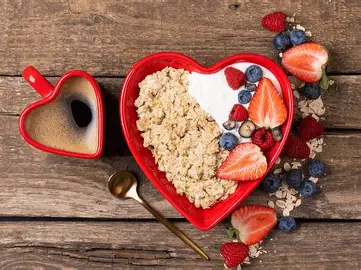
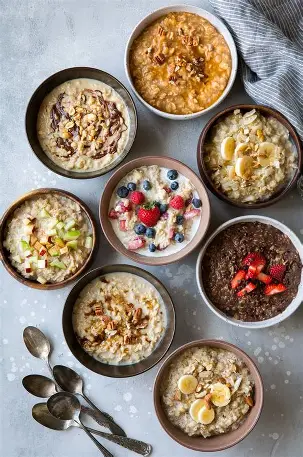
Oats make a great substitute to the notorious sugary cereals we have on the shelves nowadays, and can be enjoyed with milk, peanut powder and fruit as a filling and nutritious breakfast. To add even more value to the meal, carrots, strawberries and cabbage could be added to it to make your breakfast a complete one.

In all, remember that moderation is key. Do not go crazy on the stuff as oats also contain phytates which interfere with iron, zinc, calcium and magnesium absorption in the small intestine.

Hasta la vista, baby!!

read more
LIFESTYLEWOMEN’S HEALTH

PEANUTS AND BEAUTY

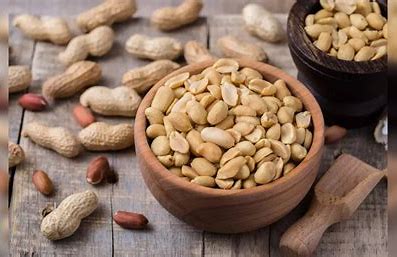
Apart from satisfying hunger pangs, consumption of peanuts may also smoothen make the skin, ensuring a supple and younger looking dermis.

Okay, okay.. before you crucify me with chants of “Groundnuts cause pimples”, let me address that issue first:

Ground nuts, if excessively consumed can cause acne and pimples. They contain fatty acids which enter the sebum of blocked sebaceous glands and trigger inflammation of these glands, causing pimples. Further, peanuts contain certain androgen-like compounds which may contribute to acne, especially in people who are sensitive to these hormones.

Pheww, now we’ve got that out of the way, to the business of the day:

1.) The. Anti-inflammatory properties of peanuts treat skin disorders like psoriasis and eczema. The fatty acids present in peanuts also reduce swelling and redness. It contains Vitamin E, Zinc and Magnesium whicch keeps the skin glowing from within and fights bacteria which leads to acne. The protein in peanuts also help with cell regeneration.

2.) Peanuts contain a relatively good amount of fatty acids which is believed to be crucial to the brains nerve cells. This brain friendly cell helps with stress management and mood swings to prevent various skin disorders like wrinkles and dullness.

3.) Also, the fibers in Groundnuts is essential for the elimination of waste and toxins. Toxins in the body reflect on the outside causing excess oil, dullness and breakouts. Peanuts help in flushing out these toxins and maintaining a healthy skin.

4.) Peanuts are packed with magnesium which helps in calming our nerves and blood vessels, thereby providing better blood flow to the skin, making it healthy and beautiful.

5.) Vitamin E in peanuts help to defend the skin cells against oxidation and free radical damage. It guards the skin agains UV ray damage from the sun.

6.) Vitamin C is contained in peanuts in moderate amount which helps in production of collagen. Collagen provides the skin with elasticity, preventing wrinkles, stretch marks and discoloration. It sustains tendons, skin and cartilage.

7.) Beta carotene found in peanuts are converted to vitamin A which helps in the growth and repair of body tissues. Therefore, peanuts help in faster healing of wounds and bruises.

8.) They are packed with omega-3 fatty acids which modulate inflammatory response on the skin and eruptions. Further, these unsaturated fatty acids also lower the risk of developing squamous cell skin cancer by destroying free radicals which can “go crazy” and eventually lead to cancer. Finally, these oils moisturize and hydrates the skin from within to treat dry and scaly skin!

Lol, I don’t advocate over-indulgence; too much of everything is bad, especially if you are trying to lose weight. A serving portion twice or thrice a week would provide you with all you need to stay young, fresh and beautiful.

Shine on, people!

read more
GENERAL RESEARCHWOMEN’S HEALTH

NZU: BENEFITS AND RISKS

NZU OR EDIBLE CLAY

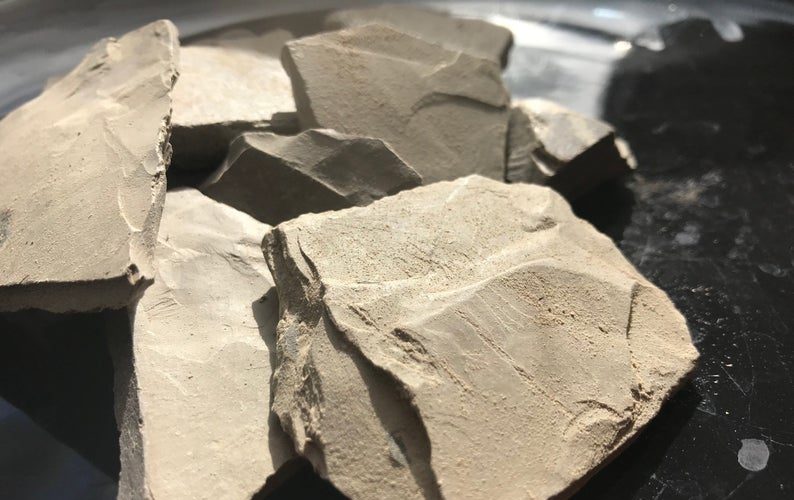
In Nigeria, pregnant and breast-feeding women patronize it the most. This edibla chalk, which is natural and made up of fossilized seashells, may be prepared artificially from clay and mud. This combination may then be mixed with other ingredients including sand, wood ash and sometimes salt. The resulting product is molded and then heated to produce the final product. Different names have been ascribed to this chalk depending on which part of the world it is found. It is known as La Craie or Argile in French, Nzu and Ndom by the Igbo and Efiks/Ibibios respectively of Nigeria, and Mabele by the Lingala of Congo. It is sold in blocks, pellets and powder forms. While not many people know this, local chalk is composed of Aluminum silicate hydroxide from the kaolin clay group with the possible formula: Al2 Si2 O5 OH4. This has been tested to contain lead and arsenic. Exposure to lead can result in a number of harmful effects, and a developing child is particularly at risk of effects on the brain and nervous system. Arsenic is a carcinogen, and excessive long-term exposure to it has been associated with a range of adverse health effects, including cancers of the urinary bladder, lung and skin.

Furthermore, a new study on Kenyan pregnant women’s eating habits shows that consumption of non-food items impacts on their children’s learning ability. The study shows a correlation between once bright children who later become underachievers in school, “yet they possess such great abilities and talents” and factors related to birth or pregnancy. Titled, Impact of “pica” (non-foods) practice among pregnant mothers on cognitive intelligence [learning ability] of the child, the study cautions against eating items that have no food value, which can later affect the full development and growth of the child. The research which is the first ever to be conducted in Kenya to ascertain effects of ‘pica’, (the practice by mothers to consume non-food items during pregnancy, such as soil, matches and chalk), shows up to 77.9 per cent of pregnant women in the country engage in the habit. The President of the African Council for Gifted and Talented , Humphrey Oborah called for enhanced education and sensitization to parents and teachers on the adverse effects of pica on overall health and growth.

The Texas Department of State Health Services and FDA notified healthcare professionals and consumers, especially pregnant or breastfeeding women, to avoid consuming a product called “Nzu”, taken as a traditional remedy for morning sickness, because of the potential health risks from high levels of lead and arsenic, noted on laboratory analysis by Texas DSHS. Exposure to lead can result in a number of harmful effects, and a developing child is particularly at risk of effects on the brain and nervous system. Arsenic is a carcinogen, and excessive long-term exposure to it has been associated with a range of adverse health effects, including cancers of the urinary bladder, lung and skin. Nzu, which is sold at African specialty stores is also called Calabash clay, Calabar stone, Mabele, Argile and La Craie. It generally resembles balls of clay or mud and is usually sold in small plastic bags with a handwritten label identifying it as “Nzu” or “Salted Nzu.”

Over-Looked Benefits of “Nzu”; Well, Cos it’s gotta DO SOMETHING.

Eating chalk is not recommended, but kaolin clay may have overlooked benefits. The digestive pharmaceutical Kaopectate was formulated using kaolinite as its main ingredient, to aid in suppressing diarrhea and reducing toxic effects in the digestive system. Similar to many pharmaceuticals, the same actions that may contribute to constipation and complications when taken in excess display therapeutic benefits when taken in times of need.

*Properties of Clay and Detoxification

Though the study of clay consumption has revealed the potential for digestive and nutritional benefits, scientists believe the most conclusive evidence points to detoxification as a primary benefit of clay eating throughout human history. Its use appears to be one borrowed from and shared by numerous animal species, attesting to its practice not as an anomaly or aberrant behavior but instead a true adaptive practice contributing to survival and evolution. One example from the animal kingdom is the use of clays by animal species that regularly scavenge for a wide variety of foods, often of varying toxicity. Researchers discovered that the ingestion of clays by such species, among them birds, parrots, rats and primates, enables a diverse diet without suffering the toxic effects of substances consumed. The chemical structure of earthen clays determines their suitability as a detoxicant. Their crystalline shape includes hexagonal networks of silicon-oxygen tetrahedrons, giving them a large surface area with which to bond with potential toxins. In addition, hydroxyl ions and colloidal properties within their structure promote the ability to bind and exchange metals as well as adsorb water and other organic compounds. In cultures across continents, anthropologists and mineralogists have documented and substantiated the use of clays to reduce bioavailability of plant toxins from foods and make them more edible. These practices are known to have been used by native cultures in present-day Bolivia, Peru and Arizona to eliminate the bitterness of wild potatoes and prevent stomach pains and vomiting, evidenced in the laboratory by the clay’s ability to adsorb glycoalkaloids found in the potato species.

read more