
close

MEN’S HEALTH

GENERAL RESEARCHMEN’S HEALTHWOMEN’S HEALTH

TAKE YOUR OATS!

Witty topic right? I know, lol! 

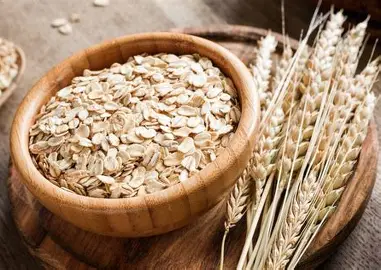
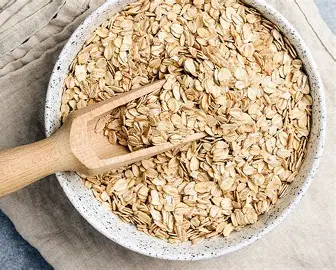
Whole grains, such as oats, are often recommended for their beneficial effects on the gastrointestinal tract. The role that beneficial bacteria in the human digestive tract play in human health is an area of great interest, with potential health effects ranging from immune health to reducing risk for obesity and chronic disease. This piece is long overdue, as it provides a viable and delicious alternative to the everyday cereal, garnished with preservatives and enriched with sugar and sodium which do nothing but wreck havoc on the metabolic health of adults and children alike. Asides from providing that rich dietary fiber for your normal flora to feast on (with undeniable benefits), oats are nutrient-dense superfoods which contain complex carbohydrates (amazing for diabetic patients), protein, unsaturated fats, vitamins B1, B5, B6, Folate, E, manganese, phosphorus, magnesium, iron, zinc, copper, selenium, among others. Oats are also high in phytochemicals and antioxidants such as avenanthramides (which is discussed in some detail below) and phenolic acids.

This post is not exhaustive of the health benefits this wonderful grain portends, but it attempts to make a compelling argument for you to try it today! Therefore, some benefits of oatmeal include:

Cardiovascular Benefits:

A review of the most recent and compelling studies on oats and oat bran and cardiovascular disease risk factors concluded that oats and oat bran lower total cholesterol and LDL-C by respectively 2-19 percent and 4-23%; the effects are particularly prominent among people with high cholesterol levels. Oatmeal also contains a special type of antioxidant called avenanthramide. Avenanthramides fight off free radicals that attack high-density lipoproteins, or HDL (good cholesterol). They also protect LDL cholesterol from oxidizing from copper, which reduce the risk of developing cardiovascular disease. The cholesterol-lowering effect of oat beta-glucan depends on its viscosity in the small intestine, and therefore its molecular weight. A high molecular weight means it can be released from the food matrix during digestion and form a viscous gel inside the small intestine.

Staves off Weight Gain:

Oats are a miracle for those who want to lose weight! Beta-glucans helps prevent weight gain by providing satiety for a longer period thereby delaying hunger while the body makes use of fat reserves, and voila! boop boop goes the pounds from the scale.

Blood Glucose Sterilization:

Oats are high in fiber which help in stabilizing blood sugar. This is especially relevant to diabetics who require blood glucose regulation. Aside from fiber, oatmeal is also a good source of magnesium, which regulates the body’s insulin and glucose levels.

Prevents Hardening of Arteries:

Avenanthramides not only protect against heart disease, but they also prevent the arteries from hardening. Those antioxidants suppress the production of molecules that allow monocytes to adhere to the walls of the arteries. Research has shown that postmenopausal women who eat six servings of whole grains a week reduced their risk of developing atherosclerosis, which is the build-up of plaque along the passageways of the arteries, and slowed the progression of stenosis, which causes the passageways of the arteries to narrow. When paired with vitamin C, the cardiovascular benefits of oatmeal are enhanced, so drink a glass of orange juice or eat some citrus with your oatmeal.

Boosts Immune System:

Oatmeal’s beta-glucan fiber protects against heart disease and also keeps the immune system active. It helps the immune cells seek out and repair areas or the body that may be fighting a bacterial infection.

Oats and Hangovers:

Oats can neutralize the acidic environment which results from drinking and is contributory to that terrible hangover feeling. Further, as hangovers are the result of the toxins found in alcohol, a bowl of porridge can genuinely help to relieve the symptoms. Oats also contain one of the highest levels of soluble fiber of any cereal, and soluble fiber is essential for healthy digestion. Alcohol reduces sugar levels and the slow-releasing carbohydrates in porridge help redress this. The soluble fiber and complex carbohydrates also found in porridge release energy slowly, thereby ensuring a slow but steady supply of sugar and glycemic stability. So, eating a bowl for breakfast should see you comfortably through to lunch time, even with a hangover.

Nature’s Own Viagra:

Porridge oats improve the libido in both men and women by balancing testosterone and estrogen levels. Basically, low testosterone means low sex drive. If you have this problem then porridge could well be the answer, it’s got to be worth a try.

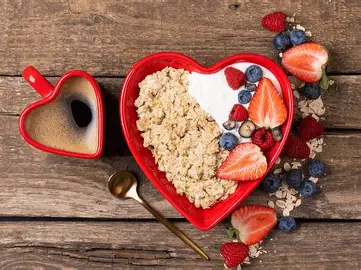
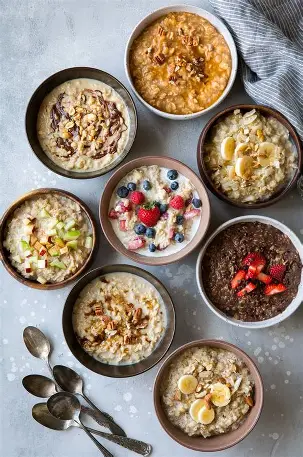
Oats make a great substitute to the notorious sugary cereals we have on the shelves nowadays, and can be enjoyed with milk, peanut powder and fruit as a filling and nutritious breakfast. To add even more value to the meal, carrots, strawberries and cabbage could be added to it to make your breakfast a complete one.

In all, remember that moderation is key. Do not go crazy on the stuff as oats also contain phytates which interfere with iron, zinc, calcium and magnesium absorption in the small intestine.

Hasta la vista, baby!!

read more
GENERAL RESEARCHLIFESTYLEMEN’S HEALTH

BISPHENOL A: WHY YOU SHOULD AVOID HEATING IN STYROPHOM AND PLASTICWARE

Hello folks!

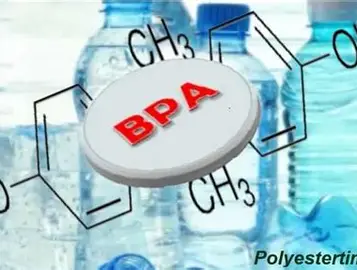
BPA stands for bisphenol A, an industrial chemical that has been used to make certain plastics and resins since the 1950s. BPA is used to make clear, hard plastics and epoxy resins, and it is found in food containers, tableware, baby bottles and other common products. They may also be used in other consumer goods such as food cans, bottle tops, and certain water supply lines. Some dental sealants and composites also may contain BPA. Research presented at the American Diabetes Association’s 84th Scientific Sessions suggests that decreasing exposure to bisphenol A may reduce a person’s risk of developing Type 2 diabetes. 

Other research has shown that BPA can seep into food or beverages from containers that are made with BPA.  Exposure to BPA is a concern because of the possible health effects on the brain and prostate gland of fetuses, infants and children. It can also affect children’s behavior, causing ADHD further in their development. Additional research suggests a possible link between BPA and increased blood pressure, cancers, type 2 diabetes and cardiovascular disease. 

However, the U.S. Food and Drug Administration (FDA) has said that BPA is safe at the very low levels that occur in some foods. This does not mean that you need to push your luck by adding more during the heating process.

WAYS TO AVOID BPA:

  • Use BPA-free products: Manufacturers are creating more and more BPA-free products. Look for products labeled as BPA-free. If a product isn’t labeled, keep in mind that some, but not all, plastics marked with recycle code 3 or 7 may contain BPA.
  • Avoid heat: Don’t put plastic containers in the microwave or dishwasher, because the heat may break them down over time and allow BPA to leach into foods.
  • Focus on fresh, whole foods: When you can, choose fresh whole fruits and vegetables.
  • Use alternatives: Use glass, porcelain or stainless-steel containers for hot foods and liquids instead of plastic containers.

Stay jiggy folks!

For further reading:

Type 2 diabetes: Drinking from plastic bottles may raise risk (medicalnewstoday.com)

read more
MEN’S HEALTH

DIET SODA AND AUTISM IN BOYS

Happy New Month folks!

Most people consider Diet Sodas a viable alternative to regular soda, so I wanted to bring this to your attention. 

A study conducted at the University of Texas at San Antonio found that there is an association between autism diagnosis in boys and daily consumption of diet soda or comparable amounts of aspartame by their mothers during pregnancy or breastfeeding. No statistical significance was found between diet soda intake and autism in girls. Also recall that late last year, Aspartame was associated with incidence of cancer.

While Diet Soda may be a viable alternative to Regular Soda for people who are Diabetic, as well as its comorbidities such as Fatty Liver Disease, Diet Soda has also been linked to disruption of gut microbiota, erosion of teeth enamel due to its acidity (much like any other highly acidic food), and poor cardiovascular health.

In summary, I would advise caution and moderation.

Further Reading: 

Drinking diet sodas and aspartame-sweetened beverages daily during pregnancy linked to autism in male offspring – UT Health San Antonio (uthscsa.edu)

read more