close

LIFESTYLE

LIFESTYLE

IMPROVE YOUR SLEEP WITH FOOD!

Happy new month and happy holidays, super cool cats!

I thought to do a summarized piece on how to fix your sleep the nutrition way because lets’ face it, we could all do with a little more zzz’s than we often get. Don’t think I don’t notice the tired faces on the hallways on some mornings. 

On a serious note, the National Library of Medicine tells us that the body uses sleep as an opportunity to repair muscle, grows new tissue, synthesizes proteins, and releases key hormones, thereby setting the stage for physical and mental performance the next day.

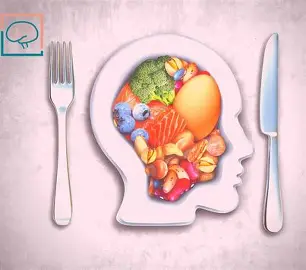
Nutrition plays an important role in your sleep cycle and sleep quality. So, lets get right into it!

Top Foods That Support Better Sleep:

Tart Cherries: Tart cherry juice contains a natural source of melatonin, the hormone that regulates your sleep-wake cycle.

Nuts & Seeds: Almonds, cashews, and pumpkin seeds are rich in magnesium, which promotes muscle relaxation and supports deeper sleep. Pumpkin seeds also supply tryptophan, which helps the body produce serotonin and melatonin. Remember to go for the unsalted option for your hearts’ sake.

Turkey: Turkey packs quite the tryptophan-punch, which helps your body produce sleep-promoting neurotransmitters.

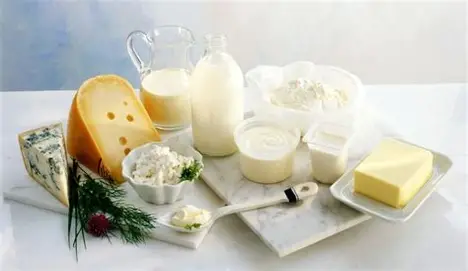
Dairy: Dairy contains tryptophan and casein, a slow-digesting protein that supports overnight muscle repair and prevents blood sugar dips. Just do yourself a favor and choose the 2% or 1% option to avoid clogging those arteries up, while you pursue sleep.

Chamomile and Passionflower Teas: These teas contain apigenin, an antioxidant that promotes sleepiness. So, brew yourself a cup about 30 minutes before you are ready to turn in, while you read a book or watch the news, and get ready to float away.

Eggs: Eggs contain 83 mg of tryptophan per serving—about 25% of the daily recommended intake.

Quinoa: Quinoa is a high-protein, tryptophan-containing option similar to dairy, great for evening meals. Look online for ways to make this high protein, nutrient and fiber dense meal and enjoy a plate for dinner with the fam!

Fatty Fish: Aside its role in supporting the heart and preventing cardiovascular diseases, the omega-3s in tuna, mackerel, and salmon also support serotonin production and sleep quality. Try some grilled, air fried or baked fish, with some rice and a side of vegetables today, ugh, writing this is making me hungry!

Dark Chocolate: Dark chocolate contains omega-3s and antioxidants that help regulate the circadian rhythm. They are also a great aphrodisiac, for those looking to improve their bed-matics.

Now, on the flipside, here are some foods that can disrupt sleep:

Caffeine & Alcohol: Caffeine delays sleep onset, while alcohol disrupts the later stages of sleep which is important for resting the mind, solidifying short-term memory during dreaming, and rebuilding damaged tissue.

Spicy or Acidic Foods: These may cause heartburn or reflux, triggering nighttime awakenings. So, go easy on the jalapenos, salsa and enchiladas before bedtime!

High-Sugar or Ultra processed foods : Asides from being generally bad for you, fast-food, high sugar meals and beverages, and packaged foods cause blood sugar swings and acid reflux which may make it difficult to fall or stay asleep.

I hope you learned something new from this brief! Have a safe and merry Christmas!

read more
LIFESTYLE

KEEPING IT REAL THESE HOLIDAYS

Happy Thanksgiving and Merry Christmas!

I promise that it is not my intention to ruin your thanksgiving and Christmas . However, I owe a duty to any of you who would like to keep their labs or waistlines in check over the holidays, so that you don’t have to struggle with bad health. So, if that is not your cup of coffee, please feel free to skip this.

We often arrive at the holiday meal table excited to enjoy the feast ahead. Afterward, you may feel concerned that you might overdo it. These are some tricks I teach my patients to help them feel at ease during the holidays. First, it’s permitting yourself to enjoy the foods you like because it makes it easier to avoid overeating. There is some research to support this! The more exposure and acceptance you have of those foods, the less likely you are to overeat. 

  1. Manage Cravings: Eating a healthy breakfast would keep you full and help you manage cravings throughout the day. Some breakfast ideas include Greek yogurt , berries , chia, and pumpkin seeds. You can enjoy a grain bowl with farro, chickpeas, arugula, salmon, and avocado for lunch.  Each meal contains protein, fiber, and healthy fats, which will keep you full, balance your blood sugar, and manage your cravings, setting you up for success at your holiday festivities. 
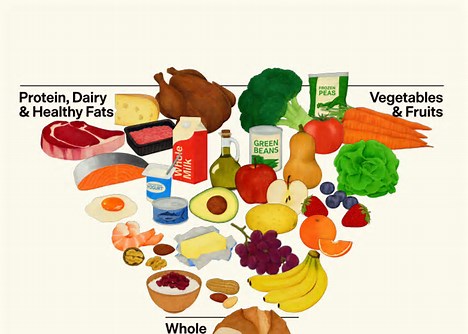
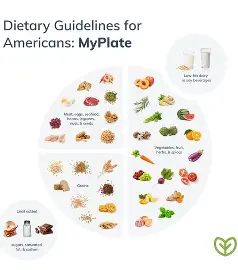
  1. Eat your Vegetables and Lean Protein : The recommendation is to make half of your plate vegetables, one quarter of your plate protein, and one quarter starches or carbohydrates. Protein takes a little longer for your body to digest than carbohydrates. As a result, it helps you feel full and, when eaten with carbohydrates, can balance blood sugar levels by minimizing blood sugar spikes and crashes. This will result in stable energy post-meal (i.e., no turkey coma) and fewer cravings. If you are cooking, and if you are doing stuffing or something that’s a carb, add vegetables to it; add onion, or spinach, or kale or something. Finding the carbs and fat to add to your plate is easy, but sometimes, finding a protein source takes intentionality. To build a balanced meal, fill ¼ of your plate with protein and fill the rest with your preferred carbs, fat, and veggie sources. Now, your dish will be nutritious and satisfying. Some common protein sources in your holiday spread may include poultry, beef, pork, eggs, fish, cheese, tofu, quinoa, beans, milk, and Greek yogurt. *I strongly advise limiting deli meat such as ham due to the high content of nitrites, sodium, and other preservatives.
  1. Manage Overindulgence: To set yourself up for success and avoid overindulging, Brown encourages you to eat small meals through the day while preparing the big meal, so you’re not too hungry when it comes time for the big Thanksgiving feast. For example, if you know your big Thanksgiving meal is 5 pm, plan a balanced breakfast around 9 am and lunch in the afternoon around 1 pm.
  1. Walk it Off: A good rule of thumb is to eat a balanced meal every 4-5 waking hours.  Depending on your health goals, staying consistent with your exercise routine might be a priority during the holidays. Movement may help regulate blood sugar levels, manage stress, and aid digestion. Some people may need to adjust their exercise routine during the holidays to accommodate traveling, being away from their local gym, and having a busier schedule than usual. A simple way to prioritize movement is to include regular walks after a meal. Light exercise can help ease feelings of fullness and bloating. Ask a friend or family member to walk with you to make it fun and social. 

Finally, DON’T SWEAT IT! 

The holidays are a special time of year, and you should enjoy all foods with your loved ones. Regular behaviors are more important for your health, so enjoy the holiday and don’t be too hard on yourself.  Focus on being present during meal times by decreasing distractions. This will help you tune into your “fullness meter” while eating your balanced meal. 

You can practice mindful eating at any holiday event, including family get-togethers or casual hangouts with friends.  Engaging in mindful eating can help you enjoy your favorite holiday foods without compromising your health goals.

Conclusion:

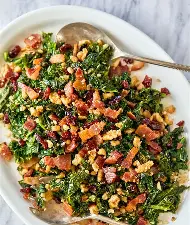
I encourage you to get a fist-size amount of non-starchy vegetables as part of your first plate of food. Examples include sautéed greens, cauliflower mash, roasted Brussels sprouts, or spaghetti squash with basil pesto. 

The fiber in these items allows your “full button” to go off. You can apply this strategy in any environment with yummy foods. 

If you’re worried there won’t be a vegetable option, offer to bring a side dish. This way, you’re helping the host and bringing foods that will help you feel comfortable after eating.

Some healthy holiday recipes:

https://recipes.heart.org/en/collections/lifestyles/holiday

https://lexiscleankitchen.com/clean-eating-recipes-holidays

https://eatingwell.com/recipes/17938/holidays-occasions/christmas

read more
GENERAL RESEARCHLIFESTYLE

HOW TO NAVIGATE EFFECTIVELY WITH THE INTERMITTENT FASTING

IF simply involves switching between fasting and eating on your normal schedule.
This method could help you manage your weight and ward off chronic diseases if monitored and done effectively.

BASIC CONCEPTS
Before going into this practice, it is important to know what it entails.
Some basics to know:
– you have to skip one meal
– you can still have your favourite healthy meal while fasting
– you can drink water while fasting
– you can have no-calorie beverages while fasting. Examples include coffee, green or black tea.

So for everyone that has heard about IF or has practised it before, normally, you would skip breakfast while fasting, because it feels easier.
-But, according to a research carried out by USDA economic research service, it was noticed that skipping dinner, reduced more daily calories and lowered diet quality the least when compared to skipping breakfast or lunch.
-Also note that your night fast should be longer than 2 hours and shorter than 24 hours

TYPES OF IF
There are basically 3 popular types of IF:
– 16:8 method
– 5:2 method
– eat-stop eat method.
Others include OMAD, and warrior diet.

16: 8 METHOD

5:2 METHOD

EAT-STOP-EAT METHOD
This method involves fasting for 24 hours twice or thrice a week.
– Fasting for 24 hours would lead to a metabolic shift and ause your body to use up fat
– But staying off food for 24 hours might lead to binging and overconsumption.

IF AND YOUR HORMONES
– IF positively affects the human growth hormone (HGH), especially when done adequately. These hormone levels increase when you do IF, and higher levels of this hormone facilitate fat burning and muscle gain.
– IF also increases the amount of norepinephrine in our bodies which help to breakdown body fat and facilitate it use for energy
– intermittent fasting decreases androgen markers (i.e., testosterone and the free androgen index (FAI)) while increasing sex hormone-binding globulin (SHBG) levels in premenopausal females with obesity.
– fasting may prove to be a valuable tool for treating hyperandrogenism in females with polycystic ovarian syndrome (PCOS) by improving menstruation and fertility.

BENEFITS
– WEIGHTLOSS: A 2014 review of scientific literature found that IF can cause 3–8% weight loss over 3–24 weeks, which is a significant amount. Also, participants lost 4-7% of their waist circumference.
– CAN REDUCE INSULIN RESISTANCE: IF can help reduce insulin resistance. According to research, it can help reduce blood sugar by 3–6% and fasting insulin levels by 20–31%.
– HEART-HEALTH: IF may help to reduce bad cholesterol, and blood triglycerides.
– OXIDATIVE STRESS: IF may help reduce inflammation (a key factor in disease processes) and oxidative stress.
– BRAIN HEALTH: may increase the brain hormone brain derived neurotrophic factor (BDNF) and may help in the growth of new nerves. it also may help prevent alzemheirs
– DECREASE IN APPETITE: according to research, time-restricted fasting (16 8), decreased mean ghrelin levels, increased fullness in participants, and decrease the desire to eat.
Also, in the first 12 hours of fasting, there is a slight increase in ketone bodies, this helps in appetite suppression.

POSSIBLE DOWNSIDES
– Malnutrition: if not done properly, intermittent fasting could lead to serious malnutrition. some very vital micronutrients and electrolytes might be lacking in your diet if not monitored.
– Dehydration: during a fast, your body tends to release water and salt via the urine. if this water isn’t replenished, you get dehydrated.
– Bad breath: during fasting, fat is used up majorly as fuel. fat metabolism leads to acetone formation which can affect your breath
-fatigue and low energy: when fasting, especially if you are not adequately monitored, with an inadequate intake of calories, you tend to be fatigued due to a low intake of calories
5. Headaches and lightheadedness: this is most common in intermittent fasting and occurs within the first few days especially if you’re a newbie.
6. Hunger and cravings: normally you’d feel hunger cues during your fasting. they tend to be heavier if you don’t do it well.
Most of these side effects should disappear in 2 weeks,

TIPS TO NAVIGATE EFFECTIVELY
• Know your nutrient needs
• Always incorporate proteins into your eating window
• Know your energy requirements
• Always stay hydrated
• Avoid overeating/undereating
• Maintain a balanced diet
• Try out the different types of IF
• Keep track of your journey
• Adapt a suitable workout routine
• Plan meals
• Speak to a registered dietitian

WHO SHOULD NOT BE ON IF?
• If you are underweight
• If you have a history of an eating disorder
• If you are pregnant
• If you are breastfeeding
• If you are on insulin (type 1)
• Anyone with immunosuppression
• Transplant patients
• Chronic kidney diseases
• Poorly controlled diabetes (unless an endocrinologist is involved).
• Adolescents and kids
• Elderly (muscle mass)

SUMMARY
The intermittent fasting pattern of eating is quite a beneficial one with side effects that can easily be managed. But, it is important that you are monitored by health practitioners before delving into this type of diet.
Also, before starting, be sure of the type of fast that would suit your lifetyle and schedule.

SOURCES:
-https://www.hopkinsmedicine.org/health/wellness-and-prevention/intermittent-fasting-what-is-it-and-how-does-it-work
– https://www.healthline.com/nutrition/6-ways-to-do-intermittent-fasting
– https://www.ncbi.nlm.nih.gov/pmc/articles/PMC3680567/
– https://pubmed.ncbi.nlm.nih.gov/31525701/

read more
GENERAL RESEARCHLIFESTYLE

ALCOHOL AND THE RISK FOR HYPERTENSION

Do you know what is funny? How people think alcoholic beverages can be taken without caution because most of them seem to be bitter.

So, you see people taking bottles/cans of beer, and shots of spirits at a sitting, feeling it won’t be detrimental to their health.

Our work-hard-party hard kind of lifestyle has made it possible for the risk of hypertension to be increased especially among youths. Hypertension is a lifestyle disease, so we must all be able to look at our lifestyle and make a change to it.

Also, the idea that alcohol is a stress reliever, makes it possible for people to consume without caution which in turn hurts the liver and brain, possibly leading to hypertension

WHAT IS THE LINK BETWEEN ALCOHOL INTAKE AND HYPERTENSION?

Alcohol is one of the modifiable ways to reduce hypertension. The link between alcohol and hypertension is clear as alcohol is a major contributory factor in hypertension

Studies have shown that taking more than three alcoholic drinks a day can increase the chance of developing hypertension in later life by up to 75%.

Alcohol has both direct and indirect links to hypertension: It can cause you to gain weight which is linked to hypertension, and it can also directly affect your blood pressure readings.

Furthermore, alcohol may stimulate adrenals which release adrenaline. When adrenaline is released, it leads to increased cardiac output, increased heart rate, and increased systolic blood pressure.

BUT RED WINE IS GOOD FOR MY HEART?

Well, several past studies have made this popular. The idea behind this is that grapes used in making red wine contain reservatol and can help keep the heart and provide other benefits. But truly, the amount of reservatol in red wine is affected by the processing, fermentation, and even aging of wine and cannot be sufficient to provide any heart health benefits as purported.

It is important to pay attention to your lifestyle: quit binge drinking, reduce or stop consumption of alcohol if you’re on blood pressure medications or have a family history, try abstinence!

SOURCES:

– https://www.medanta.org/patient-education-blog/the-truth-about-alcohol-and-hypertension/#:~:text=Drinking%20too%20much%20alcohol%20can,doubles%20the%20risk%20of%20hypertension.

– https://pubmed.ncbi.nlm.nih.gov/18259032/

– https://www.drugsandalcohol.ie/24301/1/Alcohol-and-Hypertension_Factsheet.pdf

– https://www.ncbi.nlm.nih.gov/pmc/articles/PMC4038773/#:~:text=It%20is%20possible%20that%20alcohol,oxidative%20injury%20to%20the%20endothelium.

read more
LIFESTYLE

IMPORTANT ALTERNATE SPICES FOR HYPERTENSIVE PATIENTS

For those who have been living with hypertension and those newly diagnosed with it, one struggle you would obviously face is the taste of your foods. Because, its well know to reduce salt intake and probably take out bouillon cubes.

The fact remains that you are supposed to reduce salt and bouillon cube intake, but your foods can still be tasty when you utilize natural herbal spices.

There are natural spices available everywhere that can be incorporated into our daily cooking, they help add aroma and even savor to our meals, but importantly so, they also help to manage blood pressure (evidence-based), so you might want to consider these spices.
With this write up, we’ll uncover some of those spices:

1. GARLIC: Garlic is rich in compounds that may be beneficial to health, especially sulfur compounds called allicin. Allicin may help to increase blood flow through the arteries and also help lower blood pressure.
According to some reviews of studies, garlic was almost as effective in reducing blood pressure as the drug atenolol.
Apart from the aftereffect on the mouth, the garlic-onion combo is quite a great one for cooking, you should try it.

2. CINNAMON: Cinnamon is an aromatic spice from the bark of a tree. It has been used in ancient times to help treat heart conditions and blood pressure.
Some studies show that taking cinnamon reduced systolic and diastolic blood pressure by an average of 6.2 mm Hg and 3.9 mm Hg, respectively.
The good thing about this spice is that it can be eas


ily incorporated into meals

3. GINGER: the versatility of this spice is top-notch and unmatched. It has also been used in ancient times to help manage some heart and circulation problems in alternative medicine.
Ginger can be used to manage blood pressure by acting as a natural calcium channel blocker and natural ACE inhibitor (both are blood pressure medications).

4. CARDAMOM: cardamom is another important spice in cooking that has blood pressure-lowering properties. It has a distinctly delicious and slightly sweet intense flavor which makes it unique.
Cardamom helps reduce blood pressure by acting as a diuretic.
A diuretic is a compound that helps take out the water through urination
Cardamom can easily be incorporated into cooking and baking

6. CLOVES: cloves are dried flowers of the clove try, they can be used whole or ground as a spice. Cloves contain a compound called eugenol which helps to cause vasorelaxation (i.e reduction in tension of blood vessel walls). This action thereby helps to reduce systolic blood pressure. Apart from its unique flavor and fragrance, cloves help to lower blood pressure levels.

7. BASIL: this flavorful herb contains compounds that act as antioxidants and also has the ability to provide various health benefits and reduce blood pressure
Sweet basil contains eugenol which acts as a natural calcium chain blocker
This spice contains compounds that help relax blood vessels and allow for easy flow of blood through arteries.

Looking at the above-mentioned spices, you might have come across most of them or just a few.

Your foods don’t need to be less tasty, and your blood pressure can also be managed better if you try incorporating these spices into your diet
Please note that these spices aren’t an alternative to your medications

SOURCES:
– https://www.healthline.com/nutrition/herbs-to-lower-blood-pressure#Managing-high-blood-pressure
– https://pubmed.ncbi.nlm.nih.gov/24921632/
– https://pubmed.ncbi.nlm.nih.gov/19505553/
– Verma T, Sinha M, Bansal N, Yadav SR, Shah K, Chauhan NS.Nat Prod Bioprospect. 2021 Apr:11(2):155-184. DOI: 10.1007/s13659-020-00281-x. Epub 2020 Nov 11.PMID: 33174095 Free PMC article.
– Medicinal Plants in the Treatment of Hypertension: A Review.
– Kamyab R, Namdar H, Torbati M, Ghojazadeh M, Araj-Khodaei M, Fazljou SMB.Adv Pharm Bull. 2021 Sep;11(4):601-617. DOI: 10.34172/apb.2021.090. Epub 2020 Nov 1. PMID: 34888207 Free PMC article.

read more
LIFESTYLE

Gall stone vs kidney stone

It is normal to sometimes get things mixed up especially when they seem to share some similarities such as gall stone and kidney stone, chronic acid reflux and ulcer but we would be focusing on these most common two diseases, “gall stone and kidney stones”. 

  1. So many people actually have gall stone but would mistake it for kidney stone. Well, worry less if you probably fall into this category. This article would help enlighten you more on the differences of both types of stones.

Gall stones or kidney stones are two conditions that could cause excruciating pains to any individual, but some people really don’t know they are both different preventive measures and treatment approaches. 

CHARACTERISTICS OF KIDNEY STONES AND GALLSTONES

  • Gall stones are cholesterol deposits that resemble pebbles, WHILE kidney stones are cement-like and are made of dissolved minerals in the urine 
  • Gallstones are found inside the gall bladder WHILE kidney stones develop in the urinary tract 

SIMILARITIES AND SYMPTOMS OF KIDNEY STONES AND GALLSTONES

  • Kidney stones are small as sand grains and grow larger causing pain when you try to urinate WHILE gall stones can be as small as sand grains too and can grow as big as a golf ball 
  • Kidney stones comes with symptoms like blood in the urine, painful urination, inability to urinate frequently WHILE gall stones come mostly with nausea, vomiting, fever and sweating.

      CAUSES KIDNEY STONES AND GALLSTONES

  • For kidney stones, foods that are high in sodium, animal protein can increase the risk of developing kidney stones. Foods like processed meat, canned/ tinned foods etc
  • WHILE a diet high in fat and cholesterol can contribute to gallstone formation. 

 RISK FACTORS OF KIDNEY STONES AND GALL STONES 

  • People that have a family history of kidney stones and who are middle aged adults are at higher risks of developing kidney stones 
  • WHILE adults over 40, especially women and those who are overweight are at higher risks of developing gallstones

TREATMENT/MANAGEMENT OF KIDNEY STONES AND GALL STONES

  • Kidney stones can be treated by removing the stones or adhering to a diet that controls the intake of the type of stone formed
    • Gallstones can be treated by removing the gall bladder unlike kidney stones also and a diet with controlled cholesterol and low fat. 

PREVENTION OF GALLSTONES AND KIDNEYSTONES 

  • To prevent gallstones, while trying to lose weight, make sure to do it slowly and correctly. Don’t skip meals and exercise regularly. 
  • Careful with the use of birth control pills to prevent gallstones
  • Kidney stones can be prevented in a very easy way: just drink lots of water and maintain a healthy fluid level every day 

If you’re experiencing any of these symptoms mentioned above, it is very important you contact health care givers and professionals so they could help treat whichever stone it may be.

SOURCES:

Singh VK, Singh V, Rai AK, Thakur SN, Rai PK, Singh JP

Appl Opt. 2008 Nov 1; 47(31):G38-47.

[PubMed] [Ref list]

read more
LIFESTYLE

What happens when you remove carbs

You know, the idea behind weightloss for so many people is removing a particular food group from their diet

And that food group that has suffered a lot is carbs.

You know, the advent of the keto-diet, Atkins diet, and other “ low carb diets” can make you question the health benefits of carbs in our body and even label carbs as “bad”.

Lets do that same explanation on how carbs affect weightloss and why you get to lose weight easily when you take off carbs

So, what are Carbs?

Basically, carbs are one of the three macronutrients that form a major part of our diet. Other macronutrients are protein and fats. All these macronutrients provide the body with energy usually measured in calories.

There are basically 3 types of carbs found in food and they are:
1. Refined Carbs: these type of carbs have been processed, and during the processing, some vital nutrients especially fibre has been removed, leaving just sugars. It is very easy for these types of carbs to spike your blood sugar and lead to other complications Examples include some breakfast cereals, white flour, pastries, snacks, sodas.

2. Dietary Fibres: also a type of carbs which aids easy digestion and help reduce blood glucose spikes. Examples include leafy vegetables like spinach, broccoli, ugwu,tete etc.

3. Starch: also found in plants and slowly release energy to the body throughout the day. Examples include potatoes, yam, plantain, whole wheat or white bread, brown or white rice.

These foods also contain varying amounts of dietary fiber which could provide extra health benefits.

Can Carbs make you Fat?
Whatever food consumed in excess would definitely lead to fat gain over a long period of fat. Whether it is from carb, protein or fat source. Each of these macronutrients contain calories.

Why do I lose weight when I cut Carbs?

1. You shed water weight
so many times when people put off so much weight over a short period of time, what happens is that they just lost water weight.
Now that sounds weird, but let me explain.

The body stores arbs in the liver as glycogen, and each gram of glycogen is stored with 3g of carbs. So, when you continue to cut out carbs, what you are doing is cutting out the glycogen store with water, not necessarily fat. Ever noticed that the weight comes back when you add carbs back?

That is because the process is a reversible one.

2. You’re on a Calorie deficit diet
Cutting out carbs means cutting out a source of calorie to the body, that will obviously lead to weight loss. Ideally if 500kcal is removed daily from the diet, it will lead to 0.5-1kg loss in weight, so you’re on a calorie deficit, you must lose weight.

The bad thing here is that this might in turn lead to muscle mass loss.

What’s the best approach to Weight-loss?
Sustainability over a long period is very important when trying to shed some pounds or when adopting a “diet”.
The best approach is to adopt a lifestyle that suits you. Calorie deficits, exercise regimes, and lifestyle modifications all go hand in hand to help lead a healthy lifestyle.

The weight loss approach should not be ‘all or nothing’, strict, rigid, or a quick fix. It should be what you can live with over a very long period of time.

Summary
Losing weight isn’t a do or die affair, you don’t need to take out any food group to achieve that, we could always work together and attain your desired/ideal body weight.

Sources:
https://paleoleap.com/everything-you-need-to-know-about-water-weight/
https://www.menshealth.com/health/a26361054/water-weight/
https://pubmed.ncbi.nlm.nih.gov/7332312/
https://www.medicalnewstoday.com/articles/320603#ways-to-lose-water-weight
https://www.nhs.uk/live-well/healthy-weight/why-we-need-to-eat-carbs/#:~:text=In%20the%20absence%20of%20carbohydrates,%2C%20you’ll%20gain%20weight.

read more
LIFESTYLE

IS MY THYROID KEEPING ME FROM LOSING WEIGHT?

Identifying the actual reason why you’re not losing weight is the beginning of a successful weight loss/health journey

Weight loss might be the major complaint, but you might be at risk of cardiovascular diseases and diabetes if not placed on a healthy diet.
With this article, we’ll be looking at one major reason why you might not just be losing weight accordingly.

THE THYROID GLANDS
The thyroid glands are located just in front of your neck. They produce hormones that help regulate metabolic rate controlling the heart, muscles, and other important parts.
The thyroids get their information from the pituitary gland which helps to stimulate their hormone release to help in bodily functions
The thyroid glands could either overproduce hormones (hyperthyroidism) or it could underproduce (hypothyroidism). When it does either of these, it affects your weight entirely.

WHAT HAPPENS WHEN THE THYROID GLANDS MALFUNCTION
Hypothyroidism occurs when the thyroid glands are under-producing hormones. This comes with symptoms such as weight gain (finding it difficult to lose weight), slower heart rate, more frequent and stronger heart rate, dry skin, and hair.
With hypothyroidism, the way your body processes energy is quite slow, making it hard for you to put off extra weight. If not supervised, you might just get frustrated on the long run, see how your dietitian can help you out:

HOW YOUR DIETITIAN AN HELP YOU
– Your dietitians duty is to help you plan out adequate number of calories and merge it with exercises that would help enhance your metabolism
– Your dietitian aims to make sure you have the important nutrients that are depleted in you, especially if you have hypothyroidism. Nutrients like iodine, vitamin D, selenium, and B12 are mostly affected when the thyroids malfunction
– Also, he/she makes sure every goitrogen ( substances that interfere with how thyroid hormones are utilized) present in your diet is totally removed. Goitrogens include soy, cabbage, broccoli, and cauliflower.
Furthermore, you can help support your thyroids by incorporating these into your diet

Nutrients to support thyroids:
Iodine: fish, cheese, milk, seaweed
Sodium: iodized salt
Potassium kiwi, potatoes, banana
Selenium: fish,
Tyrosine: eggs, plan cut beef
Zinc- liver, oyster

MEDICAL TREATMENT
Diet alone won’t help manage your underactive thyroids, because without medical treatment, dietary management won’t be effective
So, your doctor would most likely place you on an oral synthetic thyroid hormone (levothytoxine) that would help replace the amount of hormone your body is no longer producing.

The absorption of this might be tampered with if you take supplements that contain iron, or calcium, and even some antacids that contain aluminum hydroxide.

The thyroid gland is the major support system that determines how much energy is used up or stored in your body. When it malfunctions, it totally can affect your weight. It is important to speak to your doctor when you notice struggles with losing weight for a correct diagnosis.

Sources:
1.https://www.todaysdietitian.com/newarchives/070112p40.shtml
2. Biondi B, Klein I. Hypothyroidism as a risk factor for cardiovascular disease. Endocrine. 2004;24(1):1-13
3. Dean S. Medical nutrition therapy for thyroid and related disorders. In: Mahan KL, Escott-Stump S, eds. Krause’s Food, Nutrition, & Diet Therapy. 13th ed. Philadelphia, PA: Saunders; 2008: 711-724
4. Rayman MP. Selenium and human health. Lancet. 2012;379(9822):1256-1268
5. Messina M, Redmond G. Effects of soy protein and soybean isoflavones on thyroid function in healthy adults and hypothyroid patients: a review of the relevant literature. Thyroid. 2006;16(3):249-258

read more
LIFESTYLE

REASONS YOU ARE NOT GAINING WEIGHT

Normally, everyone is more concerned about losing weight, so more attention is given to them than those that wants to gain weight. And it also seems like those who wants to gain weight has been neglected by all.

So lets see some reasons why you might not be adding weight adequately and lets also see if there are implications with low weight.

1. WRONG CHOICE OF FOODS: for some people, high fatty foods would help them gain weight, so they jump on deep fried foods, ice creams, junks, chocolates etc. These foods might contain trans fats which might even be very detrimental to you health. So instead of making you add weight adequately, they might just get your stomach bulged.

Foods to include in your diet to help gain weight: nuts, milk, fatty fruits like avocado, energy dense fruits like banana, apples, coconut etc.

2. HYPERTHYROIDISM: this happens when your thyroids become so overactive. The thyroid glands are responsible for controlling metabolism (especially for weight gain and loss) in the body. When they are overactive, it means that energy from food is broken so fast, thereby making it hard for the body to utilize energy. You will need extra hands to achieve weight gain if you are on this table. A dietitians place cannot be overemphasized

3. TYPE 1 DIABETES: In type 1 diabetes, the cells that produce insulin are totally destroyed leading to a spike in blood glucose. Wen type 1 diabetes is left unmanaged for a long while, it could lead to excess glucose flowing in the blood; the body has to excrete this excess glucose through the urine. When this happens constantly, unintentional weight loss sets in

4. INFLAMMATORY DISEASES: This is the umbrella term for anything disorder that affects the small intestine especially. These disorders most times comes with diarrhea, and this automatically leads to unintentional weight loss

In all of this, it is important to work with a dietitian so they can address whatever underlying issue is the reason for your unintentional weight loss. Addressing them with drugs alone or just eating anything that comes your way wont give a reasonable result.

SOURCES:

– https://www.healthline.com/health/why-cant-i-gain-weight

https://www.healthline.com/health/hyperthyroidism

– https://thegeriatricdietitian.com/why-am-i-not-gaining-weight/

read more
LIFESTYLE

NUTRITIONAL SUPPLEMENTS: ARE THEY FOR EVERYBODY?


For some age groups, nutrients gotten from mere diet might not be sufficient to keep the body running at a normal pace, hence the advent of nutritional supplements.

The sole reason for supplements is to help individuals achieve their daily nutrient intake and also help improve their health status as the case may be. Supplements are there to augment whatever lapses possible as diet alone might not be able to provide adequate amounts of a particular nutrient.

Nutritional supplements are consumables and the come either as capsules, pills or tablets. They are either the combination of a different nutrients (protein, fat, vitamins and minerals, carbohydrates, fiber) and compounds or just one nutrient that is produced by the body.

A supplement is mostly needed to help balance a particular nutrient in the body especially if there is a condition that requires more amount of that nutrient than the body can produce or mere diet can provide. It is not intended to substitute a healthy diet.

Research has it that the global market for nutritional and dietary supplements recorded over US$104 billion sales as at 2013. These sales was cut across globally among geriatric populations, pregnant women and the rising urban population.

The major types of supplements used are multivitamins, calcium supplements, fatty acids or fish oils, and mineral supplements.

CLASSES OF SUPPLEMENTS
The National Agency of Medicines suggests that dietary supplements be grouped according to their intended uses:
1. Food supplements as products which supplements the usual diet
2. Food stuff for particular uses which due to their special composition are targeted at certain groups e.g for special people with disordered metabolism, for infants from 2-5 months, for special sets of people with special physiological condition
Supplements also, can be classified according to their origin, texture, or in the form in which they are available. They could also be grouped as follows
i. Vitamins and minerals; in a combination form as multivitamin or multiminerals.
ii. Protein supplements; in form of liquid or tablets and not combined with other macronutrients.
iii. Different compositions of amino acids
iv. Meal surrogates in form of wafers, biscuits or powder
v. Carbohydrate supplement with/without electrolytes
vi. Supplements with natural anabolic effects
vii. Activator supplements of growth and other hormones
viii. Herbs etc.

Class Example Contents
Activator Amino acids Growth hormones and other hormones
Carbohydrate Dextrose Some vitamins and electrolytes
Herbs Ginseng, saw palmetto Amino acid and other plant sources
Minerals Selenium, zinc, multimineral tablets Contains only minerals
Multivitamins and minerals Vitamin D, calcium supplement Contains a mixture of vitamins and minerals
Oil supplements Cod liver oil, primrose oil Oil base with vitamins and minerals
Vitamins B complex, vitamin C (high doses) Contains only vitamins

Examples of Botanical supplements and their uses

Common Name Uses
1. Gingko biloba -Memory improvement, lowering blood pressure
2. Ginseng -overall health, anti-stress
3. Saw palmetto- Treating of bening prostatic hypertrophy
4. St Johns wort- Antidepressant
5. Valerian- Reducing anxiety
6. Green tea extract-  Antioxidant

Dietary Reference Intakes for Nutrients
The Dietary Reference Intakes (DRIs) are developed to help define nutrient requirements for healthy populations. These references are derivatives from scientific studies and researches to provide ranges for optimum to maximum indicators for good health, reduce the risk of chronic diseases and even the outcome of excessive intake on the health status of individuals.

RDA (recommended dietary allowance) simply is the average amount of a nutrient for a particular age/gender group that is thought to be sufficient to meet their nutrient requirement and bodily functionality in a day to about (97%-98%).

For an individual to be deficient of a nutrient, it means he/she is getting an inadequate supply of a particular nutrient(s). this would normally happen as a result of impaired digestion, absorption, transport or metabolism of nutrients. When these occurs, illness or diseases arises; then comes in nutritional supplements to the rescue.

WHEN IS THE BEST TIME TO SUPPLEMENT?

Consuming whole grains, vegetables, fruits, legumes, nuts and fishes might not just be sufficient for particular groups. Certain amounts of extra nutrients are needed to ensure they have reduced risk of disease and mortality rates.
Most times, these supplements are more effective when used for as preventive measures.

Groups with increased requirements:

1. Pregnancy and breastfeeding
– folic acid: pregnant and breastfeeding women would require a folic acid supplement in order to help their infants brain and spinal cords develop adequately. Their bodily supply wont be enough to sustain both mother and child, so supplementation is key at this period. In addition to a diet of folate-rich food sources which include okro, liver, cabbage, spinach, beans etc, a pregnant woman should take at least 400mcg of folate every day.
– calcium: (intake from dietary sources like milk, yoghurt, cheese, leafy vegetables, almonds is recommended) 1300 mg/day for women of 18 years; 1000 mg/day for those of 19 years and above. This is to help babies build healthy bones and teeth.
– vitamin D: 600 units/day; consider 2000mg for women in very extreme weather conditions (especially northerners )
– iron: . Iron is important in pregnancy to help create red blood cells and prevent anemia for both mother and child.
Recommended dosage is 27 mg/day. To prevent gestational anemia in non-anemic women, monitored supplementation at 120mg weekly is adviced ; given at the 1st day of the week in 2 divided doses
2. Aged people
• people from 60 and above always struggle with poor oral health, depression, dementia and social isolation. This might deter the intake of nutrient by this group and so supplementation is needed. Especially for nutrients like Vitamin B12 to avoid malabsorption and deficiency.

Conditions with risk of malabsorption:

• People that has undergone bariatric surgery: vitamins A, D, K, B1, B12, vitamin C and folic acid; calcium, copper, iron, selenium and zinc. Patients require routine supplementation with vitamins and minerals for 2 years or more, with doses higher than those provided by nonprescription supplements

• People diagnosed with several types of gastrointestinal diseases known to cause malabsorption or maldigestion (e.g., lactose intolerance, gluten-sensitive enteropathy, food allergies): fat-soluble vitamins, vitamin B12, vitamin K, zinc, iron, calcium

• People who might have swallowing, chewing or dental problems.

ADVANTAGES AND LIMITATIONS
There are quite a number of advantages attached to supplements as provide large content of nutrients in small volumes, specialized sporting needs, absence of unnecessary accompanying substances as fats, cholesterol and purines.

But for some reasons, some individuals tend to abuse these supplements by increasing the dosage or frequency which could result in a drop in the effectiveness of supplements. When this occurs frequently, the human body is forced to work harder to eliminate excesses.

An overdose of these supplements could lead to organ failure, hypervitaminosis, and endocrine disorders.

There are factors that lead to the appearance of side effects due to the toxicity of dietary supplements and they include: (i) dosage (ii) duration of intake (iii)special chemical properties found in supplements and their interactions with other foods (iv) the individuals weight (v) individual capacity.

SAFETY AND RISK LEVELS
These supplements have active ingredients that might be harmful to the body if not taken as prescribed by a physician, you should look out for reactions on your body as soon as possible and report to a healthcare center.
Some supplements can increase bleeding time if taken before surgery, while some can alter your response to anesthesia. Supplements have a tendency of reacting with some drugs in very detrimental ways and they include:
• Vitamin K can reduce the ability of the blood thinner warfarin to prevent blood from clotting.
• St. John’s wort can speed the breakdown of many medicines and reduce their effectiveness (including some antidepressants, birth control pills, heart medications, anti-HIV medications, and transplant drugs).
• Antioxidant supplements, such as vitamins C and E, might reduce the effectiveness of some types of cancer chemotherapy.
Metformin used by diabetics can reduce the absorption of vitamin B12

SOURCES:

1. McCormick DB. Vitamin/mineral supplements: of questionable benefit for the general population. Nutr Rev 2010;68(4):207-13.
2. Maher LK, Escott-Stump S. Krause’s Food, Nutrition, and Diet Therapy. 11th ed. USA: Elsevier, 2004. Vitamins. In: Kleinman RE, editor. Pediatric Nutrition Handbook. 5th ed. Elk Grove Village, IL: American Academy of Pediatrics, 2004.

3. Fraga CG (2009) Plant phenolics and human health: biochemistry, nutrition and pharmacology, vol 1. Wiley, Hoboken

read more
1 2
Page 1 of 2