close

PRINCE

LIFESTYLEWOMEN’S HEALTH

PEANUTS AND BEAUTY

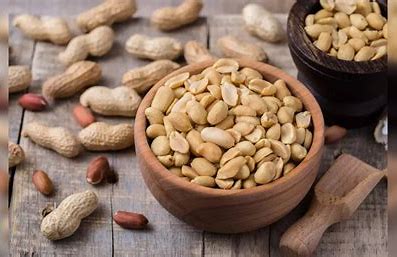
Apart from satisfying hunger pangs, consumption of peanuts may also smoothen make the skin, ensuring a supple and younger looking dermis.

Okay, okay.. before you crucify me with chants of “Groundnuts cause pimples”, let me address that issue first:

Ground nuts, if excessively consumed can cause acne and pimples. They contain fatty acids which enter the sebum of blocked sebaceous glands and trigger inflammation of these glands, causing pimples. Further, peanuts contain certain androgen-like compounds which may contribute to acne, especially in people who are sensitive to these hormones.

Pheww, now we’ve got that out of the way, to the business of the day:

1.) The. Anti-inflammatory properties of peanuts treat skin disorders like psoriasis and eczema. The fatty acids present in peanuts also reduce swelling and redness. It contains Vitamin E, Zinc and Magnesium whicch keeps the skin glowing from within and fights bacteria which leads to acne. The protein in peanuts also help with cell regeneration.

2.) Peanuts contain a relatively good amount of fatty acids which is believed to be crucial to the brains nerve cells. This brain friendly cell helps with stress management and mood swings to prevent various skin disorders like wrinkles and dullness.

3.) Also, the fibers in Groundnuts is essential for the elimination of waste and toxins. Toxins in the body reflect on the outside causing excess oil, dullness and breakouts. Peanuts help in flushing out these toxins and maintaining a healthy skin.

4.) Peanuts are packed with magnesium which helps in calming our nerves and blood vessels, thereby providing better blood flow to the skin, making it healthy and beautiful.

5.) Vitamin E in peanuts help to defend the skin cells against oxidation and free radical damage. It guards the skin agains UV ray damage from the sun.

6.) Vitamin C is contained in peanuts in moderate amount which helps in production of collagen. Collagen provides the skin with elasticity, preventing wrinkles, stretch marks and discoloration. It sustains tendons, skin and cartilage.

7.) Beta carotene found in peanuts are converted to vitamin A which helps in the growth and repair of body tissues. Therefore, peanuts help in faster healing of wounds and bruises.

8.) They are packed with omega-3 fatty acids which modulate inflammatory response on the skin and eruptions. Further, these unsaturated fatty acids also lower the risk of developing squamous cell skin cancer by destroying free radicals which can “go crazy” and eventually lead to cancer. Finally, these oils moisturize and hydrates the skin from within to treat dry and scaly skin!

Lol, I don’t advocate over-indulgence; too much of everything is bad, especially if you are trying to lose weight. A serving portion twice or thrice a week would provide you with all you need to stay young, fresh and beautiful.

Shine on, people!

read more
LIFESTYLE

TYPHOID FEVER HOME REMEDIES

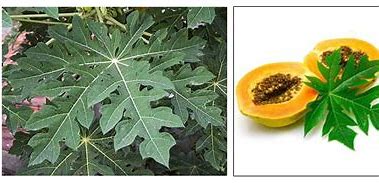
Scientists have suggested that pawpaw leaves may serve as a cheap source of antimicrobial compound for the treatment of typhoid fever.

In a study, which looked at the effects of its extracts on germs that cause typhoid fever, the scientists corroborated the antibacterial effect of water and methanol extracts of pawpaw leaves against Salmonella typhi, the causative agent of typhoid fever. Findings are summarized below.

An Overview of Typhoid Fever:

Typhoid fever, also known simply as typhoid, is a common worldwide bacterial disease transmitted by the ingestion of food or water contaminated with the faeces of an infected person, which contain the bacterium Salmonella typhi.

The bacteria that cause typhoid fever spread through contaminated food, drink, or water. The germs after having access into the body travel into the intestines and then into the bloodstream, where they can get to the lymph nodes, gallbladder, liver, spleen, and other parts of the body. A few people can become carriers of Salmonella typhi and continue to release the bacteria in their stools for years, spreading the disease.

Typhoid infection leads to symptoms such as headache, abdominal pain, fever and diarrhoea. The symptoms are alleviated with the help of antibiotic medications. Typhoid fever, in some cases, may result in serious life-threatening complications.

Currently, typhoid fever is a problem in the African continent with limited success of treatment with antimicrobial agents, thereby necessitating the search for other agents in form of herbal product for curing this disease.

Pawpaw leaf extract is used in treating malaria caused by the parasite, Plasmodium specie. It is one of the cheapest medicinal leaves that are easily found within the local environment, and its leaves are available all through the year.

In a study, the methanolic extracts of the plant showed the highest bactericidal effect on the test isolates at low concentration of 4.5mg/ml. Also, the ethanolic extracts of the leaves had a bactericidal effect on the test isolates at concentration of 6.0m/ml whereas the hot aqueous solution showed susceptibility at 9.0mg/ml.

The researchers, who found that the bacterium Salmonella typhi was only susceptible at higher concentrations, observed that the crude extracts of the plant contain active principles that inhibited the growth of the test organism.

Many medicinal plants have been reported to contain some active chemicals which are toxic and inhibitory to some micro-organism causing diseases in human. Traditional medicine has employed the use of lemon grass as a natural remedy to thyroid fever.

Called Kooko oba in Yorubaland, Isauri (in Hausa) and Acharaehi (in Igbo), lemon grass has been used for centuries for useful properties including antibacterial, antifungal and fever-reducing effects. In one test-tube investigation, published in the medical journal Microbios in 1996, researchers demonstrated that lemon grass was effective against 22 strains of bacteria and 12 types of fungi. Scientific research has also supported the herb’s reputation as an analgesic and sedative.

To treat typhoid fever, it is recommended that lemon grass leaf be boiled in water for about half an hour with whole lime, grape fruits, unripe pawpaw fruits, unripe pineapples, cut garlic and bark of Alstonia bonnei (awun in Yoruba; cheesewood/pattern wood in English).

In addition, peeled raw garlic, a natural antibiotic are suck like a lolly for 20 minutes or so. It is continued for days. If the clove is large, this could be cut it into small pieces.

Lemons and honey are also good natural remedies. The entire lemon or lime is squeezed and its juice is added to hot or cold water and honey to taste. Lemons and limes are natural disinfectants and will alkalize the intestine.

In recent past, Vitex doniana (root), Cassia tora (Leaf), Alstonia boonei (bark), Stachytarpheta jamaicensis (leaf), and pawpaw (leaf) have been claimed by traditional medical practitioners in Ebonyi State to be effective for the treatment of fevers, particularly typhoid fever.

Vitex doniana is commonly referred to as Black plum, dinya in hausa and ori nla in Yoruba. Cassia tora is called ochigichi in igbo and ako rere in Yoruba. Alstonia boonei is known as Ahun in Yoruba, Egbu-ora in Igbo and Ukhu in Edo. In Igbo, Stachytarpheta jamaicensis is referred to as Albaka.

In a study substantiating the efficacy of the recipe, the researchers reported that V. doniana, A. boonei, Cassia tora and S. jamaicensis showed anti-typhoid activity against S. typhi strains when these were tested at different rates. The ethanol extracts of V. doniana and A.boonei were the most active inhibiting 9(90 per cent) and 8(80 per cent) of test organism.

They wrote: “Our result showed that V. doniana and A. boonei showed the highest anti-typhoid activity with ethanol extract; A. boonei, S. jamaicensis and C. tora showed the highest activity with hot water extract and A. boonei, C. tora and V. doniana showed the same activity with cold water extract.

“In comparison with the control antibiotics (chloramphenicol and ciprofloxacin), the activity of V. doniana and A. boonei is the most encouraging among the plant extracts tested.

Writing in the 2011 edition of the African Journal of Pharmacy and Pharmacology, the researchers stated that “The result of the present investigation emphasizes the utility of V. doniana, A. boonei, S. jamaicensis and C. tora in the treatment of typhoid fever and the need to enhance its exploitation in this regard.

“Also the remarkable anti-typhoid activity observed with V. doniana and A. boonei is of particular urgent interest considering the rate of multi-drug resistance strains of S. typhi and the fact that typhoid fever ranks high as one of the most common ailments among all age groups in the under- developed countries.

read more
GENERAL RESEARCHWOMEN’S HEALTH

NZU: BENEFITS AND RISKS

NZU OR EDIBLE CLAY

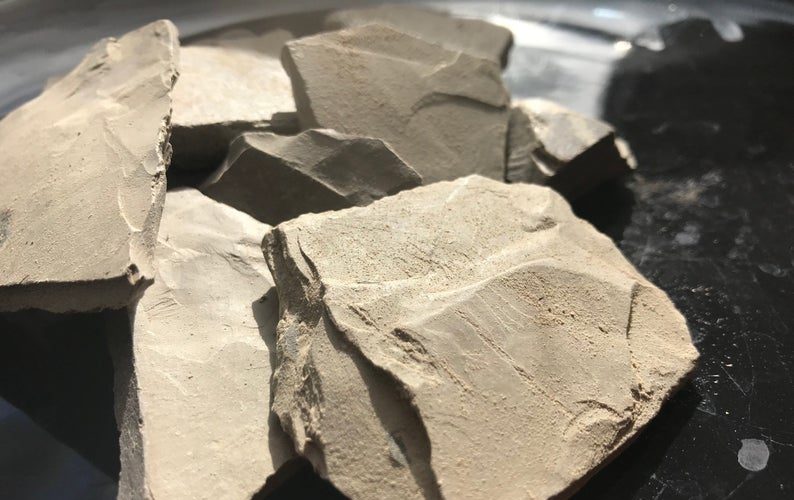
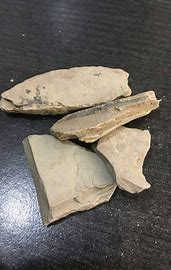
In Nigeria, pregnant and breast-feeding women patronize it the most. This edibla chalk, which is natural and made up of fossilized seashells, may be prepared artificially from clay and mud. This combination may then be mixed with other ingredients including sand, wood ash and sometimes salt. The resulting product is molded and then heated to produce the final product. Different names have been ascribed to this chalk depending on which part of the world it is found. It is known as La Craie or Argile in French, Nzu and Ndom by the Igbo and Efiks/Ibibios respectively of Nigeria, and Mabele by the Lingala of Congo. It is sold in blocks, pellets and powder forms. While not many people know this, local chalk is composed of Aluminum silicate hydroxide from the kaolin clay group with the possible formula: Al2 Si2 O5 OH4. This has been tested to contain lead and arsenic. Exposure to lead can result in a number of harmful effects, and a developing child is particularly at risk of effects on the brain and nervous system. Arsenic is a carcinogen, and excessive long-term exposure to it has been associated with a range of adverse health effects, including cancers of the urinary bladder, lung and skin.

Furthermore, a new study on Kenyan pregnant women’s eating habits shows that consumption of non-food items impacts on their children’s learning ability. The study shows a correlation between once bright children who later become underachievers in school, “yet they possess such great abilities and talents” and factors related to birth or pregnancy. Titled, Impact of “pica” (non-foods) practice among pregnant mothers on cognitive intelligence [learning ability] of the child, the study cautions against eating items that have no food value, which can later affect the full development and growth of the child. The research which is the first ever to be conducted in Kenya to ascertain effects of ‘pica’, (the practice by mothers to consume non-food items during pregnancy, such as soil, matches and chalk), shows up to 77.9 per cent of pregnant women in the country engage in the habit. The President of the African Council for Gifted and Talented , Humphrey Oborah called for enhanced education and sensitization to parents and teachers on the adverse effects of pica on overall health and growth.

The Texas Department of State Health Services and FDA notified healthcare professionals and consumers, especially pregnant or breastfeeding women, to avoid consuming a product called “Nzu”, taken as a traditional remedy for morning sickness, because of the potential health risks from high levels of lead and arsenic, noted on laboratory analysis by Texas DSHS. Exposure to lead can result in a number of harmful effects, and a developing child is particularly at risk of effects on the brain and nervous system. Arsenic is a carcinogen, and excessive long-term exposure to it has been associated with a range of adverse health effects, including cancers of the urinary bladder, lung and skin. Nzu, which is sold at African specialty stores is also called Calabash clay, Calabar stone, Mabele, Argile and La Craie. It generally resembles balls of clay or mud and is usually sold in small plastic bags with a handwritten label identifying it as “Nzu” or “Salted Nzu.”

Over-Looked Benefits of “Nzu”; Well, Cos it’s gotta DO SOMETHING.

Eating chalk is not recommended, but kaolin clay may have overlooked benefits. The digestive pharmaceutical Kaopectate was formulated using kaolinite as its main ingredient, to aid in suppressing diarrhea and reducing toxic effects in the digestive system. Similar to many pharmaceuticals, the same actions that may contribute to constipation and complications when taken in excess display therapeutic benefits when taken in times of need.

*Properties of Clay and Detoxification

Though the study of clay consumption has revealed the potential for digestive and nutritional benefits, scientists believe the most conclusive evidence points to detoxification as a primary benefit of clay eating throughout human history. Its use appears to be one borrowed from and shared by numerous animal species, attesting to its practice not as an anomaly or aberrant behavior but instead a true adaptive practice contributing to survival and evolution. One example from the animal kingdom is the use of clays by animal species that regularly scavenge for a wide variety of foods, often of varying toxicity. Researchers discovered that the ingestion of clays by such species, among them birds, parrots, rats and primates, enables a diverse diet without suffering the toxic effects of substances consumed. The chemical structure of earthen clays determines their suitability as a detoxicant. Their crystalline shape includes hexagonal networks of silicon-oxygen tetrahedrons, giving them a large surface area with which to bond with potential toxins. In addition, hydroxyl ions and colloidal properties within their structure promote the ability to bind and exchange metals as well as adsorb water and other organic compounds. In cultures across continents, anthropologists and mineralogists have documented and substantiated the use of clays to reduce bioavailability of plant toxins from foods and make them more edible. These practices are known to have been used by native cultures in present-day Bolivia, Peru and Arizona to eliminate the bitterness of wild potatoes and prevent stomach pains and vomiting, evidenced in the laboratory by the clay’s ability to adsorb glycoalkaloids found in the potato species.

read more
LIFESTYLE

BODY ODOR: HOME REMEDIES

Actually, I had to sit close to someone with a case of the stinkies in church; You can imagine my suffering each time the pastor asked us to give glory. Most of us have that one friend that has body odor, most of the time it’s not their faults, they don’t know. Well, here are some sure home remedies to this embarrassment.

What causes body odour?

Here’s a brief lesson in the science of sweat: The eccrine glands, which are located on almost every part of the body, produce body cooling sweat that’s mostly water. Think of it as nature’s little air conditioning system. The apocrine glands, which are located in the armpits and in the groin (among other areas), produce sweat that performs a number of functions, one of which is to work as a kind of waste removal system that offloads microscopic bits of fat and other matter. The sweat from the apocrine glands is the big problem with body odor. Bacteria feed on the fats and other secretions, and their waste products produce that distinctive fetid aroma that announces your presence before you enter a room. You’ll notice after a vigorous workout that your sweat smells OK, not great, but at least clean and healthy. Wait a couple of hours and the bacterial feeding frenzy that ensues will transform your healthy smelling sweat into something pretty foul.The strength of the odor a person produces depends on how much sweat his or her glands secrete as well as the number of bacteria on the skin. People with strong underarm odors carry two to three times as much underarm bacteria as other people. The best way to prevent body odor is to wash away sweat and bacteria thoroughly and regularly.

Foods rich in the amino acid carnitine (found in beef and pork) are known to leave residues in the intestines which have to be worked on by the natural digestive flora.Specific enzymes known as flavin monooxygenases break the residues down to an odorless state ready for excretion. If they are in poor supply, missing, or bowel flora is disturbed, a “fishy” body odor can result.

Use Vinegar to Get Rid of Body Odor

For the same reason which makes witch hazel a good remedy for body odor, vinegar too can be used to get yourself rid of your body smell. Vinegar can also lower the pH level of your skin so that you feel fresh for the whole day without worrying about your body odor. You can use vinegar in more than one ways.

Ways to use white vinegar for body odor

*Soak a cotton ball in white vinegar and apply to your underarms.

*Store vinegar in a sprayer and spray it under your arms after having bath. Don’t use any deodorant after using vinegar.

*Dilute some white vinegar in a mug of water while having bath and rinse your underarms with this water.

*Don’t use vinegar just after shaving as this may burn your already abrased skin.

However, many people may not get the benefit of vinegar while they try to remove their body odor. They may use lemon juice for body odor which is our next natural remedy.

Apply Lemon Juice to Remove Body Odor

Just like vinegar and witch hazel, lemon juice lowers your skin’s pH level making it difficult for odor producing bacteria to survive. Moreover, lemon can be used by even those who have sensitive skin that can’t tolerate even vinegar.

Get this:

Lemon- 1, cut into two halves

Cotton ball (optional)

Water (optional)- ½ – 1 cup

Do this:

*Take one half of the lemon and rub it under your arms, one by one, squeezing its juice on to your skin. Store the other half of the lemon to be used later.

*Alternatively, you can squeeze the juice out of the lemon and apply this juice to your underarms with the help of a cotton ball.

*If you do not like the super acidic nature of lemon or you only have mild body odor, you can dilute lemon juice in water and rinse your underarms with it.

*Lemon juice also stings when used after shaving. So better shave the nigh before to give a long gap between shaving and applying lemon juice on skin.

Baking Soda – Lime Juice Mixture for Body Odor

Some people sweat a little but then also suffer from body odor. For them vinegar or lime juice alone can work. There are some other people who sweat a lot and also have body odor. For such people, combining baking soda with lime juice can be a fantastic remedy for their body odor. Baking soda not only helps absorb sweat but also eliminate bacteria and act as a natural deodorant. This makes it eligible for using all by itself too! However, here I give you the way of using baking soda with lemon juice.

Get this:

*Lemon juice- from half or 1 lemon

*Baking soda- enough to make paste

Do this:

Before having bath, mix lemon juice with baking soda to make a paste.

*Apply this paste to your underarms.

*Leave for about 5-10 minutes.

*Wash off with water.

Now have bath.

Tomato Juice Bath for Body Odor

Tomato is considered to be a natural antiseptic and it can kill an extensive range of bacteria. Ancient Indian medicine, Ayurveda, has long used tomato juice as the remedy for body odor. It recommends using tomato juice in bath water. However, many modern herbalists recommend having tomato juice internally too for getting rid of body odor. They recommend drinking tomato juice three times a day. Here is how you can use tomato juice for bath water.

Get this:

*Tomatoes- 8-10

*Sieve

*Water- 1 bucket

Do this:

*Crush the tomatoes to get their pulp

*Using sieve, extract the juice out of tomato pulp.

*Add this tomato juice to a bucket full of water.

Bathe with this water. If you need morewater for bath, increase the quantity of tomatoes. 

Unscented Liquid Alum Deodorant for Body Odor

Many people do not like using scented deodorants but they still want to use them just to get rid of their body odor. You need not do this now. There is this ingredient, alum, which can help you make such unscented deodorant.

Get this:

*Alum powder- 4 tsp

*Baking soda- 2 tsp

*Rubbing alcohol- 225 ml

Do this:

*Mix alum, baking powder and rubbing alcohol.

*Store in a spray bottle.

*Use when needed.

Diet Remedies for Body Odor

Diet is of utmost importance, even when it comes to body odor. What you eat will define how you smell. So, you might need to omit certain foods while include another in your diet to get rid of body odor. Here are some suggestions for you to consider when changing diet habits for controlling body odor.

1.) Drink lots of water. This helps in eliminating toxins from your body so that you do not smell bad.

Have balanced diet complete with all groups of food- protein, whole grains, fish or lean poultry, pulses, healthy fats, fresh fruits and vegetables.

2.) Limit consumption of fried meat. Foods that doesn’t digest easily or completely tend to produce toxins in body.

3.) Avoid process foods. Refined sugar, white flour and fats etc. found in junk foods will lead you to many health conditions including body odor.

4.) Don’t have much of spicy food. While onion and garlic are beneficial for health, overeating them can lead to body odor.

5.) Avoid caffeinated beverages, tea, coffee, colas and alcohol.

6.) Avoid any fried food that has been made in rancid oil.

7.) Have high fiber diet and avoid those with low fiber content.

8.) Include such herbs in your diet as coriander, parsley, oregano, mint.

9.) Tobacco causes body odor. Quit smoking and stop using tobacco in any form.

Lifestyle Remedies for Body Odor

Sometimes we need to change just some of our habits to get rid of body odor. While diet is really important, if you are having it right then before adopting any home remedy or visiting doctor for body odor treatment, you need to check on your lifestyle. Here are some tips on cleanliness, hygiene and other habits that can help you in fighting with your body odor.

1.) Bathe daily at least once in a day. Don’t use harsh soaps. Also don’t use soap for longer. If possible, use soaps with natural ingredients.

2.)Do not wear unwashed clothes. Always wash your clothes once you have used them.

3.) Closed feet in shoes that are there for long time can give rise to bacteria and fungi leading to odor. Do not wear tight shoes. Also avoid wearing shoes for longer. Try wearing open sandals too.

4.) Remove unwanted hair from armpit and other body parts where you get more sweat. Hair traps sweat and are breeding grounds for bacteria.

5.) Manage your stress and anger. They lead to more production of sweat.

6.) Keep yourself dry. Moist body promotes growth of bacteria. Dry the skin fold properly after bath or when you wash them.

7.) Wear breathable clothing to avoid trapping of sweat and moisture.

If you maintain proper hygiene and follow the rule of balanced diet, you may not need the help of home remedies for body odor. If, however, you need to use home remedies and then also don’t get rid of body odor, visit your doctor to rule out any chance of some serious medical condition.

read more
GENERAL RESEARCH

MORINGA: HEALTH BENEFITS

I am a big fan of extracting substance from ancient wisdom and practices, for present and future application; because why reinvent the wheel, right? Until now, various longitudinal studies have confirmed that Moringa is a natural energy booster, strengthens the immune system, has antibiotic properties, cures headaches, migraines, asthma, and ulcers, reduces arthritic pains and inflammations and restricted tumor growths. Nutritionists say the Moringa plant has more iron than “Kontonmire”. Amazingly, the leaves of this extraordinary tree contain 7 times the vitamin C found in oranges, 4 times the calcium in milk, 4 times the vitamin A in carrots, 2 times the protein of yogurt, 25 times the iron in spinach, and 3 times the potassium in bananas!

*In the field of medicine, it has been found out that Moringa can help to prevent common killer diseases like hypertension and diabetes and has become the poor man’s prophylaxis against malaria and some common ailments.

*Moringa can also detoxify the body given its ability to purify water by attaching itself to impurities and harmful bacteria and allowing them to be expelled as a waste.

*There is a growing global interest in the use of Moringa to address malnutrition because it is readily available and inexpensive. In Africa, it has become popular as a locally produced nutritional supplement for individuals infected with the Human Immuno-deficiency Virus (HIV)/Acquired Immune Deficiency Syndrome (AIDS) virus. Nursing mothers have shown to produce far more milk and malnourished children gained more weight after the leaves were added to their diets.

Phytochemical Composition.

Moringa oleifera provides a rare combination of zeatin(a potent antioxidant), quercetin (a flavonoid known for its ability to neutralize free radicals and relieve inflammation), beta-sitosterol (a nutrient superstar that blocks cholesterol formation or build-up and is an anti-inflammatory agent for the body), caffeoylquinic acid (another powerful anti-inflammatory compound), and kaempferol(a key nutrient that promotes healthy body cellular function). All in all, enzymatically active and bioavailable moringa oleifera provides 36 natural anti-inflammatory agents. Free radical damage caused by electron-seeking, highly reactive, oxidative molecules has been identified as the source of many maladies through mechanisms such as inhibition of telomerase, changes to cellular permeability and DNA damage. Further, it has been established that moringa oleifera contains 46 different antioxidants. This “miracle tree” is able to provide all of the amino acids required by the human body. Protein is needed not only for the structural components such as muscle and tissues, but neurotransmitters, hormones, enzymes and immunoglobulins as well. There are various nutrients that can have a beneficial effect on enhancing immune system function and Moringa oleifera certainly qualifies in this category due to the ability to provide several of these phytonutrients.

Moringa is also used to reduce swelling, increase sex drive (as an aphrodisiac), and boost the immune system. Some people use it as a nutritional supplement or tonic. Moringa is sometimes applied directly to the skin as a germ-killer or drying agent (astringent). It is also used topically for treating pockets of infection (abscesses), athlete’s foot, dandruff, gum disease(gingivitis), snakebites, warts, and wounds.

Side Effects and Precautions:

Moringa is POSSIBLY SAFE when taken by mouth and used appropriately. The leaves, fruit, and seeds might be safe when eaten as food. However, it’s important to avoid eating the root and its extracts. These parts of the plant may contain a toxic substance that can cause paralysis and death. Although moringa has been used safely in doses of up to 6 grams daily for up to 3 weeks, there isn’t enough information to conclude on the safety of moringa in medicinal quantities.

Pregnancy and breast-feeding: It’s LIKELY UNSAFE to use the root, bark or flowers of moringa if you are pregnant. Chemicals in the root, bark, and flowers can make the uterus contract, and this might cause a miscarriage. There is not enough information available about the safety of using other parts of moringa during pregnancy. Stay on the safe side and avoid use.

Moringa is sometimes used to increase breast milk production. Some research suggests it might do this, however, there isn’t enough information to know if it is safe for the nursing infant. Therefore, it is best to avoid moringa if you are breast-feeding.

read more
GENERAL RESEARCH

OKPA: EASTERN DELICACY

okpa

Anyone who has been to Enugu (or Nuskka precisely) cannot deny having come across this meal. You see it on the heads of young women, or in their wheelbarrows early in the mornings, brimming with steam and tantalizing the nasal cavity. I remember back in the day in the Lions’ den, okpa was a major delicacy. A sure cure to hunger, palatable with minerals, tea and bread or just like that on the go. At Eni-Njoku hostel particularly, I remember boys lining up before the okpa seller early in the morning before lectures just to treat their tummies to the Nsukka delicacy. Yes, it did originate from there. Well, either that or they prepared it enviably well. I always knew by virtue of my profession that it is a very rich food especially it’s amino acid profile. Now, I want to introduce this Eastern Nigerian delicacy formally with a hint into everything it has to offer, good and bad.

Brief Overview

The Bambara nut seed consist of 49%-63.5% carbohydrate, 15%-25% protein, 4.5%-7.4% fat, 5.2%-6.4% fiber, 3.2%-4.4% ash and 2% mineral compared to whole fresh cow milk 88% moisture, 4.8% carbohydrate, 3.2% proteins, 3.4% fat, 0.7% ash, and 0.01% cholesterol. Its chemical composition is comparable to that of soybean. Furthermore, BGN has been reported to be a potential crop, owing to its nutritional composition, functional properties, antioxidant potential, and a drought resistant crop. Bambara groundnut milk (BGNM) had been rated higher in acceptability than milk from other legumes like soybean and cowpea. Probiotics have been defined as live microorganisms which when administered in adequate amount confer a health benefit on the host. These benefits have been reported to be therapeutic, suppressing the growth and activity in conditions like infectious diarrhea, irritable bowel syndrome, and inflammatory bowel disease. The probiotic profile of BGNM is substantial enough to sustain the growth of normal flora in the gut. BGNs are normally boiled and salted, eaten as a relish or roasted, or as a snack. Hence, BGNM can also be fermented with lactic acid bacteria to make a probiotic beverage that not only increase the economic value of the nutritious legume but also help in addressing malnutrition.

1.) Reduces danger of stomach cancer

The antioxidant properties of the fatty acids in the Bambara groundnuts have the capacity to suppress the production of carcinogenic substances in the stomach. Further, it prevents any damage or irritation to the mucus lining of the stomach.

2.) Antimicrobial action

Bambara groundnut milk is more easily acceptable as compared to the milk from other legumes in its species due to its probiotic content. Probiotics are microorganisms, which have been claimed to provide health benefits to the humans and animals. These benefits to the recipients are subduing the development and action of the microbes in infection such as IBS (irritable bowel syndrome), diarrhea, and IBD (inflammatory bowel disease).

3.) Rich source of lysine

The human body cannot produce lysine; hence, it has to be dependent on external supplements of the same. Bambara groundnut is generously gifted with this essential amino acid.

4.) Lowers Cholesterol

Lysine is an essential element which aids in ensuring proper growth and plays a very important role in the manufacture of carnitine. Carnitine, in turn, is a nutrient responsible for the breakdown of fatty acids to provide energy to the body, thereby lowering cholesterol levels.

5.) Maintains Healthy Bone

Lysine also aids in the absorption of calcium for the proper growth of the bones in the body. Further, Bambara groundnuts have been found to contain a decent amount of calcium itself! Additionally, the high amino acid content of the nut helps in the generation of collagen, which is essential for connective tissue formation, such as tendon, skin, cartilages and bones.

6.) Fights Kwashiorkor

Bambara-nut plays is an important source of protein nourishment in rural areas and impoverished communities. This helps forestall Kwashiorkor, a protein deficiency commonly seen in malnourished children.

RECENT RESEARCH ON EXTRACTS OF BAMBARA NUT

*The extract from the nut of Voandzeia subterranean particularly the protein extracts can be used directly in cosmetic formulations and provides specific properties and notable particular effects. The nut can be used quite freely to replace the high-prized lumps of meat without sacrificing adequate nutrition.

*The fatty acid present in the nut oil is among the essential fatty acids needed in the body. These fatty acids are primarily cofactors for hormone-like substance which regulate a wide range of bodily functions. The nut also contain tannin which is one of the anti-nutritional factors. The unique properties and composition of Bambara nut make it serve as a balanced food which contains almost all the vital nutrients that promotes good health.

*These fatty acids are used to produce hormone like substances that regulate wide range of functions. They regulate blood pressure, blood clothing and blood lipid level and inflammation response to injury infections. Therefore, they are essential in human diet since there are no synthetic mechanisms available for their production in the human body.

*Linoleic acid is one of the most important polyunsaturated fatty acids in human food of its ability to prevent distinct heart vascular disease. Research shows that bambara nut oil is predominantly made of the unsaturated palmitoleic acid, oleic acid, lineleic acid and caprylic acid. This predominance of the unsaturated fatty acids and high iodine value index indicate that oil from bambara nut of Nigeria is of unsaturated type.

 Potential Constraints:

A.) Like most legume seeds, Vigna subterranea seeds contain antinutritional factors such as trypsin inhibitors, phytates and tannins, including condensed tannins in the seed coat. Tannin content is correlated with coat color, the cream-colored seeds containing less tannin than brown or black seeds. Tannins can be deleterious to livestock performance though they have beneficial nutritional properties in some cases (by-pass protein in ruminants, anthelminthic effect).

B.) The Vigna subterranea seed is reported to have higher antitryptic activity than soybean and the level of activity depends on the variety (landrace). Heat treatments such as boiling or roasting are usually effective in destroying trypsin inhibitors.

C.) Phytates are found in high proportions in Vigna subterranea seeds and are known to reduce cation availability (calcium particularly).

D.) Cooking and other forms of processing (e.g. soaking, milling, hulling, germination, fermentation) reduce the concentration of antinutritional factors. However, processing does not always increase the feeding value.

I know you must have learnt something new about our “okpa” Enugu delicacy. 

MERRY CHRISTMAS!

read more
GENERAL RESEARCH

Bitter Kola: Health Benefits 

My mother and younger sister are religiously indulgent of bitter kola. I’ve tried severally to buy into this preference, but I just don’t get the delight they derive from this torture they relish so much. I asked my mother and she told me that apart from being an age long part of the Igbo snack regimen, it is also filled with healthful benefits. Let’s see a few of those, shall we:

In Nigeria (and West Africa), bitter kola is known as “Agbilu” or “Aki ilu” in Igboland, “Orogbo” in Yorubaland, and “Namijin goro” in Hausaland. Garcinia kola contains saponin, kolaviron (a natural biflavonoid), dimeric flavonoid, and lipase inhibitor all of which is believed to have many healing properties. Furthermore, it has shown to possess anti-inflammatory, antimicrobial and antiviral properties for treatment of several ailments.

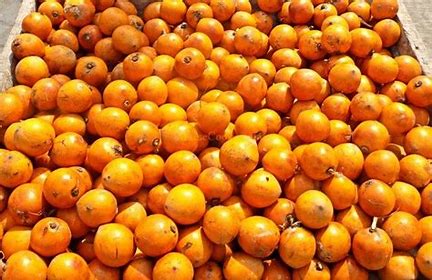
An evergreen tree of up to thirty-three meters in height, Bitter Kola has thick slash and grayish-brown bark and buttressed trunk. It bears greenish-white flowers and orange-coloured fruit, carrying brown seeds embedded in the pulp.

Bitter Kola and Malaria:

Studies have shown that the chemical constituents in Bitter Kola have anti-malaria properties. This is because of its quinones and kolaviron contents which are found to have anti-malaria effects. The bark, the stem and the seed of Bitter Kola all contain anti-malaria properties.

Medicinal Significance:

Garcinia kola is used in many tropical countries to fight infectious diseases such as Aids and the Ebola virus. It has shown to posses anti-inflammatory, antimicrobial and antiviral properties.

Improves Lung Health:

Studies have also validated the century long practice of using Bitter Kola to treat chest colds. A study published in the Journal of Pulmonary Medicine shows that Bitter Kola improves lungs and respiratory functions by enlarging the alveolar ducts [a small air bag in the lungs where oxygen and carbon dioxide are exchanged with the blood] and improving the strength of the fibers in the lung tissue. This is attributed to Bitter Kola’s high antioxidant content.

Knee Arthritis especially in the Aged:

Osteoarthritis is the most common form of arthritis, characterized by pain, inflammation and limited movement in the joints, according to the National Institute of Health. The causes of osteoarthritis include joint injury, obesity and aging. Researchers have discovered that Bitter Kola has clinically significant analgesic and anti-inflammatory effects on patients with osteoarthritis.

Keeps the Pests Away:

Bitter Kola also serves as a snake and insect repellant. Researchers believe that the nut helps to expel dangerous snakes and destructive ants from your home. It can also be taken to detoxify the body system when food poisoning is suspected.

Bitter Kola Health Benefit for HIV:

Bitter kola is a potent antibiotic which could be efficacious in the treatment of HIV and AIDS. A researcher with the Nigeria Natural Medicine Development Agency (NNMDA), Mrs. Chinyere Nwokeke told the News Agency of Nigeria (NAN) that bitter kola could be used in treating opportunistic infections associated with HIV. “Bitter kola is highly recommended in the treatment of HIV and AIDS because of its antibacterial, detoxification, and cleansing properties”, she said. Mrs Chinyere Nwokeke also said that the chemical Saponin in bitter kola is responsible for its cleansing effect. Saponin is mainly used as tonic for the liver, it enhances the functions of the liver and gall bladder.

Bitter Kola Health Benefit for Cold:

Bitter kola is often used to treat the symptoms of colds. It is suggested, in particular, for coughs and sneezing. Just grab a pod, peel and munch away! Careful not to do less than 6 hours before bedtime, as the caffeine would keep you up all night.

Bitter Kola Benefit for Male Fertility (Impotence) :

Garcinia kola, also called bitter kola is sometimes believed to cure impotence. Frequent taking of bitter kola boosts man performance in bed with a woman.

Bitter Kola Benefit for Immune System:

Bitter kola is known for its anti-inflammatory and antioxidant properties. It can be used to prevent infections and viruses, especially in relation to the immune system.

Bitter Kola Benefit for Food Poisoning:

In many rural areas of Nigeria (and other parts of Africa), when food is suspected to be contaminated by bacteria or someone accidentally eats food poison, traditional healers often recommend the mastication of bitter kola immediately after eating. This usually prevent the development of any infection or poisoning. Herbalists even recommend the seed and the bark of bitter kola should be eaten together in cases where food poisoning is suspected, “it helps to detoxify the system“.

Bitter kola is not only anti-poison, it also has the ability to repel evil spirits according to traditional beliefs. As superstitious as this sounds, many (myself included) actually believe it works!

A word of caution:

A.) The side effects reported from the Garcinia kola use in this study were “weight loss”, “increase in sex drive” and “extended sleep” which many considered helpful to meet their individual and marital demands.

B.) Dr Bartholomew Brai, Nutritional Biochemist at the Nigerian Institute of Medical Research, Yaba, Lagos, said that bitter kola was used in the preparation of herbal drugs either as nourishment, supplement or herbal remedy.

Brai said, “If a patient on medication chews bitter kola, it will make the drugs ineffective. Aside this, I do not think bitter kola has any other side effect.

C.) If you take Garcinia kola and experience diarrhea, hives, irregular heartbeat or other signs of allergic reaction, discontinue use immediately and seek medical attention

read more
DIET THERAPY OF DISEASES

HOME REMEDIES FOR MALARIA

Malaria home remedies

I have been doing a lot of “home remedies” right? I guess that is what fascinates me nowadays. This piece not only discusses home remedies for malaria, but also sheds insight on some other ailments, such as ulcers. In recent times, the malaria parasite has developed resistance against most malaria drugs including the popular Artemisinin-based Combination Therapy (ACT) – from the Artemisia annua plant. This has made effective treatment of the disease that affects over 500 million people and kills more than two million each year elusive. Naturopaths blame the situation on the isolation of active ingredients from the anti-malarial plant instead of the use of the whole plant. They say the malaria parasite, Plasmodium species, also developed resistance against chloroquine because the active ingredient was isolated from Cinchona bark. However, Nigerian researchers have developed herbal cures for malaria that can take care of resistant strains. They have produced potent anti-malaria cocktails from local plants.

A typical cocktail developed by a plant taxonomist at the University of Nigeria Nsukka (UNN) and Ebonyi State University, Professor Jonathan Okafor, consists of Morinda lucida, Nauclea latifolia, Cymbopogon citratus, Carica papaya leaves, Moringa oleifera, Mangifera indica, Garcinia kola, and Psidium guajava. Seventy-four years old Okafor, told The Guardian that he has successfully used the concoction for the last 25 years to treat malaria. “I have been developing this combination for over 25 years now. I hope to produce it in commercial quantities. I call it ‘malaria destroyer’.

*”To prepare it you get the leaves of Morinda lucida (brimstone tree). It is commonly called local cinchona, and Eze-ogwu in Igbo, and should consist half of the whole concoction. Mix with leaves of Nauclea latifolia (ubulu inu in Ibo), Cymbopogon citratus (lemon grass), male Carica papaya leaves (pawpaw), Moringa oleifera leaves because of its high nutritional content and immune boosting properties, Mangifera indica leaves and bark (Mango), which boosts red blood cells, Garcinia kola (bitter cola) and Psidium guajava (guava) in equal quantities,” he said.

*The second formula is squeeze the leaves of Goat weed (Ageratum conyzoides) in water. It is called akwukwo nea, osi n’aka or ahenhea in Igbo, imi-eshu in Yoruba, eb-ghedore in Edo, ikpamaku in Urhobo and otiti in Efik. Make it as concentrated as possible. Take one glassful thrice daily for five days. This preparation is excellence for intestinal ulcer.

*Thirdly, bring an equal amount of lemon grass leaves, orange peels and leaves of Brimstone tree (Morinda lucida), boil in a medium-sized pot for 40 minutes. Take one glass thrice daily for seven days.

Oxidative stress has been shown to play an important role in the development of anemia in malaria. Indeed, increase in total antioxidant status has been shown to be important in recovery from malaria. The antioxidant activities of four medicinal plants traditionally used in the treatment of malaria in southwestern Nigeria were determined by researchers. The plants studied included were Carica papaya (Caricaceae), Magnifera indica (Anacardiaceae), Psidium guajava (Myrtaceae), and Vernonia amygdalina (Compositae). The plants were screened for the presence of phytochemicals and, their effect on 2,2-Diphenyl-1-picryl-hydrazyl radical (DPPH) was used to determine their free radical scavenging activity.

Phytochemical screening of the plants showed the presence of flavonoids, terpenoids, saponins, tannins and reducing sugars. Mangifera indica did not contain cardiac glycosides and alkaloids while, Psidium guajava also showed the absence of alkaloids and anthraquinones. Anthraquinones was similarly absent from V. amygdalina.

Try any of these, I am quite sure, given evidence of these studies that you’d find those thousands you spend in hospitals and the long waiting lines superfluous. Wonderful weekend to you!

read more
LIFESTYLE

IMPROVE YOUR SLEEP WITH FOOD!

Happy new month and happy holidays, super cool cats!

I thought to do a summarized piece on how to fix your sleep the nutrition way because lets’ face it, we could all do with a little more zzz’s than we often get. Don’t think I don’t notice the tired faces on the hallways on some mornings. 

On a serious note, the National Library of Medicine tells us that the body uses sleep as an opportunity to repair muscle, grows new tissue, synthesizes proteins, and releases key hormones, thereby setting the stage for physical and mental performance the next day.

Nutrition plays an important role in your sleep cycle and sleep quality. So, lets get right into it!

Top Foods That Support Better Sleep:

Tart Cherries: Tart cherry juice contains a natural source of melatonin, the hormone that regulates your sleep-wake cycle.

Nuts & Seeds: Almonds, cashews, and pumpkin seeds are rich in magnesium, which promotes muscle relaxation and supports deeper sleep. Pumpkin seeds also supply tryptophan, which helps the body produce serotonin and melatonin. Remember to go for the unsalted option for your hearts’ sake.

Turkey: Turkey packs quite the tryptophan-punch, which helps your body produce sleep-promoting neurotransmitters.

Dairy: Dairy contains tryptophan and casein, a slow-digesting protein that supports overnight muscle repair and prevents blood sugar dips. Just do yourself a favor and choose the 2% or 1% option to avoid clogging those arteries up, while you pursue sleep.

Chamomile and Passionflower Teas: These teas contain apigenin, an antioxidant that promotes sleepiness. So, brew yourself a cup about 30 minutes before you are ready to turn in, while you read a book or watch the news, and get ready to float away.

Eggs: Eggs contain 83 mg of tryptophan per serving—about 25% of the daily recommended intake.

Quinoa: Quinoa is a high-protein, tryptophan-containing option similar to dairy, great for evening meals. Look online for ways to make this high protein, nutrient and fiber dense meal and enjoy a plate for dinner with the fam!

Fatty Fish: Aside its role in supporting the heart and preventing cardiovascular diseases, the omega-3s in tuna, mackerel, and salmon also support serotonin production and sleep quality. Try some grilled, air fried or baked fish, with some rice and a side of vegetables today, ugh, writing this is making me hungry!

Dark Chocolate: Dark chocolate contains omega-3s and antioxidants that help regulate the circadian rhythm. They are also a great aphrodisiac, for those looking to improve their bed-matics.

Now, on the flipside, here are some foods that can disrupt sleep:

Caffeine & Alcohol: Caffeine delays sleep onset, while alcohol disrupts the later stages of sleep which is important for resting the mind, solidifying short-term memory during dreaming, and rebuilding damaged tissue.

Spicy or Acidic Foods: These may cause heartburn or reflux, triggering nighttime awakenings. So, go easy on the jalapenos, salsa and enchiladas before bedtime!

High-Sugar or Ultra processed foods : Asides from being generally bad for you, fast-food, high sugar meals and beverages, and packaged foods cause blood sugar swings and acid reflux which may make it difficult to fall or stay asleep.

I hope you learned something new from this brief!

read more
DIET THERAPY OF DISEASES

BEST DAIRY PRODUCT FOR CARDIAC CONDITIONS

Good day, cool cats!

DID YOU KNOW THAT CHEESE IS MOSTLY MILK FAT?

I often get questions about the best cheese/dairy option for people who have heart conditions or are trying to manage their blood pressure. This is especially important as our diet is so high in processed cheese, which is often very high in saturated fat and sodium! Well, here goes. 

During cheese making, the milk is coagulated, and the fat is concentrated, resulting in the creamy texture and flavor characteristic of cheese.

When we think of the best foods to help lower blood pressure , dairy usually doesn’t come to mind. But if there’s one blood pressure–friendly cheese that experts recommend, it’s Swiss.  Swiss cheese, known for its “eyes” (or holes) and mildly sweet and nutty flavor, has healthy properties that might help support better blood pressure levels. Here, we dive into the research behind Swiss cheese’s heart-healthy properties, plus how to incorporate the cheese into a balanced diet plan. Why Swiss Cheese Is the #1 Dairy Product to Lower Blood Pressure

  1. Low in Sodium

Cutting back on sodium is one of the best ways to help lower your blood pressure. And if cheese is a beloved part of your daily diet, swapping some higher-sodium options for Swiss is a smart way to sustain a balanced and enjoyable eating plan. And it’s not hard to do. Swiss is one of the lowest-sodium cheese options out there! A 1-ounce serving of Swiss cheese contains about 52 milligrams of sodium, or 2% of the Daily Value. Compare that to 1 ounce of Cheddar, which has about 185 mg, or 8% of the DV.

  1. Great Source of Calcium

While dairy is often associated with causing heart issues, research shows that calcium in dairy foods such as Swiss cheese does not increase blood pressure or risk for hypertension; in fact, it may reduce the risk of stroke.

       3. Contains Bioactive Peptides

We know protein helps keep you satiated and supports muscle mass, but research suggests that the protein in cheese is also a good source of bioactive peptides, which may benefit blood pressure. Swiss cheese, specifically, contains two peptides—Ile-Pro-Pro and Val-Pro-Pro—that have been shown to have anti-hypertensive effects. However, more research needs to be done to nail down the amount of cheese it takes to reap these health benefits.

How to Enjoy Swiss Cheese

Swiss is delicious as a standalone snack, and it’s just as great paired with other foods or in recipes. Here are a few tasty ways to enjoy Swiss:

  • Pair it with fruit: Swiss cheese goes well with fruit for a low-sodium snack. Any fruit works, but we especially like apples for the flavor combo. This snack is also good for blood pressure and blood sugar, thanks to its dose of calcium, protein, potassium and fiber. 
  • Try it in a sandwich : Try stacking a grilled chicken sandwich with a slice of Swiss cheese, lettuce and slices of tomatoes and avocado. This snack can be part of the Mediterranean and Dietary Approaches to Stop Hypertension (DASH) dietary patterns, which help lower blood pressure.
  • Add it to a salad : Swiss  adds protein and calcium, plus umami flavor, to a bowl of greens. 
  • Pair it with crackers: Try pairing Swiss cheese with whole-grain crackers for an energy boost that promotes blood sugar and blood pressure management.

Other Strategies to Lower Blood Pressure

Although swapping out high-sodium cheeses for Swiss can help reduce your sodium intake. Here are some other ways to help support healthier blood pressure levels:

  • Use herbs and spices: Lean on garlic, ginger, basil and oregano instead of salt to lower sodium intake and reduce blood pressure. A review found that garlic is associated with reduced blood pressure and cholesterol in those with and without chronic high blood pressure.
  • Cut back on alcohol: Drinking too much (which means more than two drinks a day for men and more than one drink a day for women) can spike your blood pressure. Cutting back on wine, beer, liquor and other alcohol can help lower your numbers and support your overall heart health.
  • Eat more plants: Plant-forward eating patterns, such as the Mediterranean diet and DASH diet, can help to lower blood pressure. Research shows these diets are more promising for lowering blood pressure than just salt restriction alone.
  • Get regular exercise: Finding an exercise you love can help you move more and, therefore, lower your blood pressure. The American Heart Association recommends strength training at least two days a week and 2.5 hours of moderate-intensity cardio each week.
  • Choose lower fat dairy options (non-fat or 1%) with your cereal: Milk is so high in fat because the baby needs it to support its brain growth, and as an energy source. Adults, who often get energy from other sources such as fried foods and carbohydrates, do not need all that fat. Watch it!

SUMMARY:

Swiss cheese is significantly lower in sodium than many other cheeses and eating less sodium can help lower blood pressure. Swiss is an excellent source of calcium and has unique bioactive peptides (found in the proteins), which research suggests may also help lower your blood pressure. Adding Swiss to a hearty salad or pairing it with high-fiber fruit and crackers is a smart way to enjoy this nutritious dairy snack.

Remember to stay jiggy!

FURTHER READING:

  1. U.S. Department of Agriculture. FoodData Central. Cheese, swiss.
  2. U.S. Department of Agriculture. FoodData Central. Cheese, cheddar.
  3. Hu MJ, Tan JS, Gao XJ, Yang JG, Yang YJ. Effect of cheese intake on cardiovascular diseases and cardiovascular biomarkersNutrients. 2022;14(14):2936. doi:10.3390/nu14142936
  4. Rangel AHDN, Bezerra DAFVA, Sales DC, et al. An overview of the occurrence of bioactive peptides in different types of cheesesFoods. 2023;12(23):4261. doi:10.3390/foods12234261
  5. Mulawarman R, Trifitriana M, Felani MR, Mulawarman, Tondas AE. Garlic effect on reduce blood pressure and cholesterol in patients with and without hypertension: A systematic review and meta-analysis of randomized controlled trials.J Hypertens. 2021;39(Supplement 2):e4. doi:10.1097/01.hjh.0000752400.24367.fa
  6. Filippou C, Thomopoulos C, Konstantinidis D, et al. DASH vs. Mediterranean diet on a salt restriction background in adults with high normal blood pressure or grade 1 hypertension: A randomized controlled trialClin Nutr. 2023;42(10):1807-1816. doi:10.1016/j.clnu.2023.08.011
  7. American Heart Association. Limiting alcohol to manage high blood pressure.
  8. American Heart Association. Getting active to control high blood pressure.
read more
1 2 3 4
Page 2 of 4