close

PRINCE

LIFESTYLE

YOUR FOOD AND YOUR BRAIN

 Just as the body needs fuel, so does the brain. You probably already know that a diet based on fruits, vegetables, whole grains, “healthy” fats (such as olive oil, nuts, fish) and lean protein will provide lots of health benefits, but such a diet can also improve memory. But for brain health, it’s not just what you eat—it’s also what you don’t eat. The following nutritional tips have been shown boost brainpower and reduce risk of dementia.
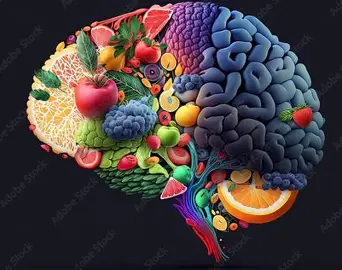
1.) Load up on Omega-3s: More and more evidence indicates that omega-3 fatty acids are particularly beneficial for brain health. Fish is a particularly rich source of omega-3, particularly cold water “fatty fish” such as salmon, tuna, halibut, trout, mackerel, sardines, and herring. In addition to boosting brainpower, eating fish may also lower your risk of developing Alzheimer’s disease. If you’re not a fan of seafood, consider non-fish sources of omega-3s such as walnuts, cashew nuts, kidney beans and spinach, and soybeans.

2.) Limit calories and saturated fat: Research shows that diets high in saturated fat (from sources such as red meat, whole milk, butter, cheese, cream, and ice cream) increase your risk of dementia and impair concentration and memory. Further, eating too many calories in later life can cause obesity and also increase the risk of cognitive impairment. 

3.) Load up on Fruit and Vegetable: Fruits and Veggies are packed with antioxidants, substances that protect your brain cells from damage. Colorful fruits and vegetables are particularly good antioxidant “superfood” sources. Try leafy green vegetables such as spinach, lettuce, broccoli, and fruit such as berries, apples, cherries, pineapples, and so on. It is also important to include a variety of fruit and vegetables with a “rainbow” assortment of colors. Various colors in these healthy gifts of nature signify a different content of phytochemicals and antioxidants. Consume your daily meals with a side of vegetables and eat fruit instead of sugary snacks in between meals.

4.) Drink green Tea: Green tea contains polyphenols, powerful antioxidants that protect against free radicals that can damage brain cells. Among many other benefits, regular consumption of green tea may enhance memory and mental alertness and slow brain aging.

5.) Drink Wine (or Grape Juice) in Moderation: Keeping your alcohol consumption in check is key, since excessive alcohol kills brain cells and may lead to weight gain, with related comorbidities. However, in moderation (around 1 glass a day for women; 2 for men), alcohol may actually improve memory and cognition. Red wine appears to be the best option, as it is rich in resveratrol, a flavonoid that boosts blood flow in the brain and reduces the risk of Alzheimer’s disease. Other resveratrol-packed options include grape juice, cranberry juice, fresh grapes and berries, and peanuts.

For mental energy, choose complex carbohydrates:
Your brain needs fuel from carbohydrates to perform at its optimum. Just like any highly active organ, the brain needs energy to process information, form and recall memory, and solve problems. The brain consumes about 6g of carbohydrates per hour under normal conditions. However, the type of carbs you choose makes all the difference. Carbohydrates fuel your brain, but simple carbs (sugar, white bread, refined grains) give a quick boost followed by an equally rapid crash. There is also evidence to suggest that diets high in simple carbs can greatly increase the risk for cognitive impairment in older adults. For healthy energy that lasts, choose complex carbohydrates such as whole-wheat bread, brown rice, oatmeal, high-fiber cereal, lentils, and whole beans. Avoid processed foods and limit starches (potato, white pasta and rice) to no more than one quarter of your plate.


Other fruits that Enhance Cognitive Function and Memory Include:
*Avocado:
Avocados are a rich source of monounsaturated fats, omega 3, and omega 6 fatty acids. These increase blood flow to the brain, lower cholesterol, and aid in the absorption of antioxidants. Avocados also come with many antioxidants of their own, including vitamin E, which protect the body and the brain from free radical damage. They are also a good source of potassium and vitamin K—both protect the brain from the risk of stroke. I love to use avocado pear as butter for my bread or as a side with rice; try it sometime.

*Coconut Oil: Coconut oil contains medium chain triglycerides that the body uses for energy, sparing glucose for the brain. It has also been shown to have a beneficial effect on blood sugar, blood pressure, and cholesterol. Anything that benefits the heart and circulation also benefits the brain. Coconut oil acts as an anti-inflammatory as well and has been linked to helping prevent Alzheimer’s and dementia.

*Beans and Legumes: Beans and legumes are excellent sources of complex carbohydrates. Beans and legumes are also rich in folate—a B vitamin critical to brain function—and essential omega fatty acids which has been elucidated aforehand.

*Dark Chocolate: The flavonols in chocolate improve cardiovascular function, which in turn improves cognitive function and memory. Chocolate also improves mood, can ease pain, and is full of antioxidants.
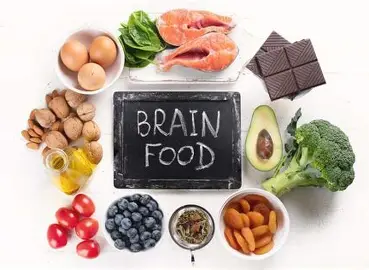
*Nuts: Nuts, especially walnuts and almonds, are extremely good for the brain and nervous system. They are great sources of omega 3 and omega 6 fatty acids, vitamin B6, and vitamin E. Vitamin E has been shown to prevent many forms of dementia by protecting the brain from free radicals, and it improves brain power. Remember to focus on unsalted options due to the deleterious effects of sodium on the heart. Also, if you are trying to lose weight, limit nuts as they are high in calorigenic due to their high content of oils.

*Tomatoes: Tomatoes contain lycopene, a very powerful antioxidant that combats dementia and may improve mood balance too just like watermelons.

NOTE: No diet therapy takes full effect within the snap of your fingers but it’s effects are longer lasting than drugs. Be patient and over time you’d notice a tremendous improvement in your memory holding capacity.

Further, diet has not been shown to boost IQ. What nutrition would do, however, is to enhance and optimize your already existing brainpower.

Cheers.

read more
LIFESTYLE

Real Online Australian Casino

Real Online Australian Casino

Curious about real online australian casino options in Australia Find out what sets local platforms apart, who benefits most, and who might want to skip it. By the end, you’ll see the key features, practical advice, and how to choose the right online casino for you.

Top Online Casinos for Aussies

1 24Casino Mobile First Deposit: 120% to $100 & 25 FS

4.8
★★★★★
24Casino

Mobile First Deposit: 120% to $100 & 25 FS

2 BetMGM Fast PayID Withdrawals + 75% Welcome Up to $150

4.7
★★★★★
BetMGM

Fast PayID Withdrawals + 75% Welcome Up to $150

3 Black Lotus Fast Payouts: 125% Bonus Up to $300 + 30 Free Spins

4.6
★★★★★
Black Lotus

Fast Payouts: 125% Bonus Up to $300 + 30 Free Spins

4 Casinoly Pay with PayID: 75% Match to $150 & 60 Free Spins

4.6
★★★★★
Casinoly

Pay with PayID: 75% Match to $150 & 60 Free Spins

5 Drake Fresh Start Bonus: 110% to $500 + 120 Free Spins

4.5
★★★★★
Drake

Fresh Start Bonus: 110% to $500 + 120 Free Spins

6 FortuneJack Slot Lovers Rejoice: 250% to $5000 & 20 Bonus Spins

4.5
★★★★★
FortuneJack

Slot Lovers Rejoice: 250% to $5000 & 20 Bonus Spins

7 Golden Tiger New Player Offer: 75% Match Up to $2000 & 50 FS

4.4
★★★★★
Golden Tiger

New Player Offer: 75% Match Up to $2000 & 50 FS

8 Ice36 Big Jackpot Offer: 300% Up to $3000 & 175 Bonus Spins

4.4
★★★★★
Ice36

Big Jackpot Offer: 300% Up to $3000 & 175 Bonus Spins

9 Jacks Make Your First Move: 125% Up to $2000 + 120 Spins

4.4
★★★★★
Jacks

Make Your First Move: 125% Up to $2000 + 120 Spins

10 Neon54 Jump In: 150% Bonus Up to $150 & 80 Free Spins

4.4
★★★★★
24Casino

Jump In: 150% Bonus Up to $150 & 80 Free Spins

11 PlayCroco Zero Deposit Offer: $75 Free + 40 Bonus Spins

4.3
★★★★★
PlayCroco

Zero Deposit Offer: $75 Free + 40 Bonus Spins

12 Poker Star 5% Monthly Cashback Up to $200 - Guaranteed

4.3
★★★★★
Poker Star

5% Monthly Cashback Up to $200 – Guaranteed

13 Ruby Fortune Min $5 Deposit: 250% Match Up to $200 & 80 Spins

4.3
★★★★★
Ruby Fortune

Min $5 Deposit: 250% Match Up to $200 & 80 Spins

14 SlotoCash Roulette Welcome: 300% Match to $300 + 75 FS

4.3
★★★★★
SlotoCash

Roulette Welcome: 300% Match to $300 + 75 FS

15 Slots Capital Welcome Gift: 150% Match Up to $2000 + 250 FS Included

4.2
★★★★★
Slots Capital

Welcome Gift: 150% Match Up to $2000 + 250 FS Included

16 Spin City Daily Reload Deal: 20% Bonus Up to $1000 + 60 FS

4.2
★★★★★
Spin City

Daily Reload Deal: 20% Bonus Up to $1000 + 60 FS

17 Super Slots VIP Lounge Access: 175% Up to $750 + 500 FS

4.2
★★★★★
Super Slots

VIP Lounge Access: 175% Up to $750 + 500 FS

18 True Fortune 100 Bonus Spins Waiting for You - Register Now

4.1
★★★★★
True Fortune

100 Bonus Spins Waiting for You – Register Now

19 WPT Free $200 Bonus + 20 Spins on Sign Up - Zero Deposit

4.1
★★★★★
WPT

Free $200 Bonus + 20 Spins on Sign Up – Zero Deposit

20 Wolf Winner Jackpot Hunters: 50% Match Up to $500 + 150 FS

4.1
★★★★★
Wolf Winner

Jackpot Hunters: 50% Match Up to $500 + 150 FS

Explore the latest Spinago Australia casino bonuses and payouts in our guide to help you choose the right online pokies and games Spinago Australia casino bonuses and payouts to get started with trusted Australian sites.

Top jackpot slots on real online australian casino

Online slots, or pokies as Aussies call them, are digital versions of classic machines but with unique features, themes, and bonuses. Below you can browse top-rated pokies and try demo or real money play. Every game offers different payouts, volatility, and entertainment value for all skill levels.

Popular Games and Services Offered

Licensed casinos in Australia offer secure platforms to play pokies, table games, and live dealer options, blending fun and fair play. Whether you prefer classic blackjack or cutting-edge slots, real online australian casino operators provide diverse entertainment with responsible gaming tools built in.

Roulette Live real online australian casino
Roulette LiveStartDemo
Blackjack Ultimate real online australian casino
Blackjack UltimateStartDemo
Poker Hub real online australian casino
Poker HubStartDemo
Slots Classic real online australian casino
Slots ClassicStartDemo

Top Online Casinos for Aussies

real online australian casinoThe online casino scene in Australia is vibrant and constantly evolving. The main focus is on providing safe and responsible gaming environments to Aussie players. Below is a list of trusted platforms that accept Australians and offer local-friendly deposit and support options.

  • FairGo Casino
  • PlayAmo
  • National Casino
  • Joe Fortune
  • King Johnnie
  • Casino Mate

Popular Games and Services Offered

Australian casino games selectionLicensed online casinos in Australia deliver a diverse mix of entertainment for all types of players. Real online australian casino platforms typically give access to pokies, roulette, blackjack, live dealer tables, and even instant win scratchies. Social and tournament features are also common.

  • Video pokies
  • Progressive jackpots
  • Live Casino tables
  • Blackjack
  • Poker
  • Roulette
  • Baccarat
  • Sic Bo
  • Keno
  • Scratch cards
  • Bingo

Progressive Jackpot Games

These pokies have massive pooled prizes that grow with every spin and are major drawcards for gamers chasing huge wins.

Live Dealer Experiences

Feeling like a real casino from your home, live games include professional hosts and interactive features.

Classic Table Options

Blackjack, roulette, and baccarat appeal to those who enjoy strategy and real odds over pure luck.

Instant Win Games

Scratchies and online keno offer quick, light-hearted betting for all budgets.

Best Pokies and Slots Online

Top online rollers and pokiesThis section highlights top virtual slots (pokies) featured in real online australian casino platforms. Choose from Aussie favourites, big-name titles, or try out new games every month.

Slot Name Provider Top Feature
Big Red Aristocrat Expanding wilds
Buffalo Blitz Playtech 40 paylines
Wolf Gold Pragmatic Play Jackpot bonus
Queen of the Nile Aristocrat Free spins
Starburst NetEnt Wild respin
Lightning Link Aristocrat Hold & Spin

Payment Methods and Withdrawals

Casino payments AustraliaFor most Aussies, easy payments are essential. You’ll see credit cards, Neosurf, POLi, Bitcoin, and eWallets. Payout speeds vary, so always check T&Cs. Withdrawals can take from instant up to five days depending on the method.

  • Visa/MasterCard
  • POLi
  • Neosurf
  • Bitcoin
  • ecoPayz
  • Bank Transfer

Bonuses and Promotions for Aussies

Many local casinos reward you with matched deposits, free spins, reload bonuses, VIP perks, birthday gifts, and even no-deposit test offers. Be sure to read wagering requirements. A bonus can help stretch your play, but stick to your budget.

Mobile Experience at Online Casinos

Mobile casino playWith modern smartphones, a real online australian casino is in your pocket. No downloads needed for most platforms. Features are almost identical to desktop, including banking, support, and live gaming.

Casino Apps vs Browser Play

Most sites use browser-based instant play, but some offer dedicated apps for iOS and Android for even quicker access.

Australian regulations prevent local companies from offering most online casino games for real money within the country. However, overseas operators licensed by reputable regulators can legally serve Aussie customers. Always look for a licence from trusted authorities like Malta, Curacao, or Gibraltar.

Security and Fair Play at Casinos

Player safety comes first. Reliable casinos employ strong encryption technology, independent game audits, and verified payment options. Look for certifications from eCOGRA or similar bodies to be sure games are fair and payments safe.

Customer Support and Help in AU Casinos

Top online casinos provide 24/7 chat, phone, or email support. Aussie staff may be available during peak hours, plus extensive FAQ sections help you fix most issues yourself fast.

Contact Methods

Chat, email, support ticket, and in some cases a dedicated hotline ensure you’re never stuck for answers.

Tips for Safe and Responsible Gambling

Set limits, never chase losses, use site self-exclusion if needed, and get help if you feel gaming stops being fun. Consider the following checklist before making your choice:

  • Read casino reviews from real Aussie players
  • Check licence info on the casino footer
  • Start with small deposits
  • Stick within your set gaming budget
  • Withdraw winnings regularly
  • Use strong passwords for your account
  • Activate two-factor authentication if available

FAQ

Can I legally play at real online australian casino sites from Australia

Yes, Australians can play at overseas-licensed online casinos, though local companies face restrictions by law.

Which games are most popular at Australian online casinos

Pokies (slots), blackjack, roulette, and live dealer tables are the most played games.

What payment methods work for Australian players

Common methods include Visa/Mastercard, Neosurf, POLi, Bitcoin, and eWallets like ecoPayz.

How do I check if a casino is safe

Look for a valid international licence, SSL certificate, and independent audit seals.

Are there free options before I play for real money

Most top sites offer demo modes or free spins to try games before depositing real cash.

24Casino in Australia

24Casino Australia Online Casino

24Casino is a modern Australian favourite, offering a smooth online casino experience with a robust game selection. Players appreciate its responsive design, deposit options that cater to Australians and fast payouts. The range covers pokies, live dealer tables and popular table games. A significant focus on safety and responsible gaming makes 24Casino a smart choice for new and seasoned Aussie punters.

BetMGM Australia

BetMGM Australia Casino

BetMGM is a globally recognised name, now tailored to the Australian market. Bettors can tap into a huge portfolio ranging from progressive pokies to exclusive live dealer rooms. With a constantly refreshed bonus structure and fair player treatment, BetMGM continues to attract locals looking for both fun and security.

Black Lotus Casino Australia

Black Lotus Casino Australia

Black Lotus stands out for its sleek design and strong mobile performance across Australian devices. It features an impressive pokie selection, high withdrawal ceilings and friendly support. Strict data encryption and verification processes reassure Aussie users about their privacy and security.

Casinoly in Australia

Casinoly Australia Online Casino

Casinoly impresses with its gamified approach, offering tournaments and missions that enhance the online casino experience in Australia. Fast withdrawals, localised banking and Australia-friendly welcome bonuses round out the offering for those who value excitement and reliability.

Drake Casino Australia

Drake Casino Australia

Drake Casino is famous among aussies for slick mobile play and a strong portfolio of 3D pokies. With clear terms for bonuses and promotions, Drake Casino is a trusted hub for both new and experienced players in the Australian landscape.

FortuneJack Casino Australia

FortuneJack Casino Australia

FortuneJack leads the way with crypto options, providing Aussies top-rated Bitcoin, Ethereum and other digital payments. The casino supports instant transactions and a diverse game range including provably fair titles-a key draw for tech-savvy punters wanting security with their fun.

Golden Tiger Casino for Australians

Golden Tiger Casino Australia

Golden Tiger brings reliable Microgaming pokies and strong progressive jackpots. Its loyalty program rewards regular Australian members, and the customer service team is known for prompt responses.

Ice36 Casino Australia

Ice36 Casino Australia

Ice36 delivers a fast-paced digital casino for Australians with frequent slot tournaments and real-time promos. The instant-play platform is designed with Aussies in mind and offers trustworthy banking and bonuses.

Jacks Casino Australia

Jacks Casino Australia

Jacks Casino serves Australians with a blend of classic pokies, card tables and frequent cashback deals. A trusted withdrawal system and responsive support add to Aussies’ confidence.

Neon54 Australia

Neon54 Casino Australia

Neon54 makes the online casino experience dynamic with themed offers and a colourful interface. Known for tailored Australian bonuses and effortless game navigation, Neon54 is building strong local appeal.

PlayCroco Casino for Australian Players

PlayCroco Casino Australia

PlayCroco, an Australian staple, boasts exclusive pokie tournaments, daily cashback and simple AUD banking. Their 24/7 support assists players at every step, helping Aussies enjoy smooth online sessions.

Poker Star Casino in Australia

Poker Star Australia Online Casino

Poker Star is perfect for Australian poker lovers seeking regular tournaments, cash game action and exclusive tables. The fast, fair platform attracts beginners and professionals looking for a safe online home.

Ruby Fortune Casino Australia

Ruby Fortune Casino Australia

Ruby Fortune stands out with top-level Microgaming pokies, progressive jackpots, and reliable payout systems. Its Australian user base enjoys seamless support and recurring promotional incentives.

SlotoCash for Australian Casino Fans

SlotoCash Casino Australia

SlotoCash is well-known in Australia for regular free spins, well-rated withdrawals and 24/7 English-speaking support. Quick deposits and a secure platform attract regulars across the country.

Slots Capital Casino Australia

Slots Capital Australia Online Casino

Slots Capital delights Aussie pokie fans with ever-growing titles and generous weekly bonuses. Fast verification and no-hassle withdrawals bring trust to the fore in the competitive Australian market.

Spin City Casino for Aussies

Spin City Casino Australia

Spin City features a user-friendly site packed with the latest pokies and jackpot draws. Reliable customer care and multi-currency banking-including AUD-make it a go-to for Australians wanting fresh entertainment.

Super Slots Australia

Super Slots Casino Australia

Super Slots consistently ranks high for slot variety tailored to Australian tastes. Standout site security and a helpful team ensure ongoing peace of mind for regular bettors.

True Fortune Casino Australia

True Fortune Casino Australia

True Fortune combines vivid design with frequent reload bonuses and a reputation for prompt payments to Aussie players. Friendly live chat is always ready to resolve any concerns quickly.

WPT Casino Australia

WPT Casino Australia

WPT resonates with Australians seeking championship poker with a polished edge. The brand delivers ongoing tournaments, special events and secure gameplay on both desktop and mobile.

Wolf Winner Casino Australia

Wolf Winner Casino Australia

Wolf Winner is gaining traction in Australia with quick sign-up, a sleek pokie roster and weekly rewards for loyal players. Consistent payout policies and Australian support are key advantages.

Responsible Gambling in Australia

Online gambling should always be safe and fun. Be sure to set limits, use tools provided by each site and only choose licensed Australian-friendly casinos.

topmobile
casinos

Australia-focused guide for online casinos.

Footer navbar
© 2026 real online australian casino – Copyright protected.
Education only. 18+ / 21+ where applicable
real online australian casino


read more
LIFESTYLEMEN’S HEALTHWOMEN’S HEALTH

THE FUSS ABOUT FLOURIDE

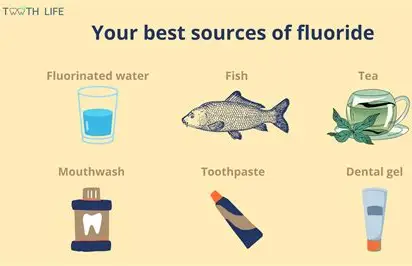
Fluoride, a mineral that occurs naturally in many foods and water, helps prevent tooth decay. Fluoride reverses early decay and remineralizes the tooth enamel. A lot of toothpastes and mouthwashes include fluoride in their products and for good reason too. Fluoride protects the tooth enamel amongst other effects it has on the dentition. But when used in excess and on constant swallowing could cause serious health issues. Here are some of them:

Arthritis:

Current evidence strongly indicates that some people diagnosed with “arthritis” are in fact suffering from low-grade fluoride poisoning.

Joint pain and stiffness are well known symptoms of excessive fluoride intake. According to the U.S. Department of Health and Human Services, too much fluoride (the tolerable upper intake level is from 7-10mg/day) could cause “chronic joint pain” and “arthritic symptoms”. United States health authorities have long dismissed the relevance of this by insisting that fluoride only causes arthritic symptoms in patients with advanced forms of skeletal fluorosis, a bone disease caused by fluoride. Modern research clearly shows, however, that fluoride-induced joint pains can occur in the absence of obvious skeletal fluorosis at levels from 5-10 μM. This makes fluoride’s effects on joints extremely difficult to differentiate from common forms of arthritis. In fact, research has found that fluoride can be a direct cause of osteoarthritis, with or without the presence of classic skeletal fluorosis. In cases where fluoride is the cause of a person’s arthritic problems, reduction in daily fluoride intake for a period of several weeks or months can eliminate the symptoms in the absence of medical treatment. Correct diagnosis is thus critical to effective recovery.

Cancer:

According to the National Toxicology Program (NTP), “the preponderance of evidence” from laboratory studies indicates that fluoride is a mutagen (a compound that can cause genetic damage). A chemical that can cause genetic damage is one that can likely cause, or contribute to, the development of cancer.

While the concentrations of fluoride causing genetic damage in laboratory studies are generally far higher than the concentrations found in human blood, there are certain “microenvironments” in the body (e.g., the bones, bladder, kidneys, oral cavity, pineal gland) where cells can be exposed to fluoride levels that are comparable to those causing genetic damage in the laboratory. Moreover, some research has found that cells of primates (including great apes and humans) are more susceptible to fluoride’s mutagenic effects than cells of rodents.

Pineal Gland:

In the 1990s, a British scientist, Jennifer Luke, discovered that fluoride accumulates to strikingly high levels in the pineal gland. The pineal gland is located between the two hemispheres of the brain and is responsible for the synthesis and secretion of the hormone melatonin. Melatonin maintains the body’s circadian rhythm (sleep-wake cycle), regulates the onset of puberty in females, and helps protect the body from cell damage caused by free radicals.

While it is not yet known if fluoride accumulation affects pineal gland function, preliminary animal experiments found that fluoride reduced melatonin levels and shortened the time to puberty. Based on this and other evidence, the National Research Council has stated that “fluoride is likely to cause decreased melatonin production and to have other effects on normal pineal function, which in turn could contribute to a variety of effects in humans”.

The Brain
A review of brain studies involving the use of fluoride has concluded that one of the adverse effects of fluoride exposure on children is damage to their neurological development. According to the Harvard researchers, children who lived in high-fluoride areas had “significantly lower IQ than those in low fluoride areas”. Extremely high levels of fluoride are known to cause neurotoxicity in adults, and negative impacts on memory and learning have been reported in rodent studies.

This does not imply the need to raid your cabinet and discard of everything even remotely having fluoride in it, in some misguided form of holy jihad. It is simply a call to caution: don’t go swallowing the stuff after brushing your teeth, you don’t need that much of it.

read more
LIFESTYLE

RISKS OF MONOSODIUM GLUTAMATE CONSUMPTION

To give credit where it is due, monosodium glutamate was invented in 1908 by Kikunae Ikeda, a Japanese man, who identified the natural flavor enhancing substance of seaweed. Taking a hint from this substance, researchers were able to derive man-made additive MSG, and he and a partner went on to form Ajinomoto, which is now the world’s largest producer of MSG. This company is interestingly also a drug manufacturer. 

MSG is also found in abundance in the white Maggi and noodle seasoning, commonly consumed in low- and middle-income countries.

So what is MSG?

Chemically speaking, MSG is approximately 78 percent free glutamic acid, 21 percent sodium, and up to 1 percent contaminants. Further, it’s a misconception that MSG is a flavor or “meat tenderizer.” In reality, MSG has very little taste at all, yet when you eat MSG, you think the food you’re eating has more protein and tastes better. It does this by tricking your tongue, using a little-known fifth basic taste: umami. Umami is the taste of glutamate, which is a savory flavor found in many Japanese foods, bacon and also in the toxic food additive MSG. It is because of umami that foods with MSG taste heartier, more robust and generally better to a lot of people than foods without it.

The ingredient didn’t become widespread in the United States until after World War II, when the U.S. military realized Japanese rations were much tastier than the U.S. versions because of MSG. In 1959, the U.S. Food and Drug Administration labeled MSG as “Generally Recognized as Safe” (GRAS), and it has remained that way ever since. Yet, it was a telling sign when just 10 years later a condition known as “Chinese Restaurant Syndrome” entered the medical literature, describing the numerous side effects, from numbness to heart palpitations, that people experienced after eating MSG.

Today that syndrome is more appropriately termed “MSG Symptom Complex,” which the Food and Drug Administration (FDA) identifies as “short-term reactions” to MSG.

Why MSG is so Dangerous?

One of the best overviews of the very real dangers of MSG comes from Dr. Russell Blaylock, a board-certified neurosurgeon and author of “Excitotoxins: The Taste that Kills.” In it he explains that MSG is an excitotoxin, which means it overexcites your cells to the point of damage or death, causing brain damage to varying degrees — and potentially even triggering or worsening learning disabilities, Alzheimer’s disease, Parkinson’s disease, Lou Gehrig’s disease and more.

Part of the problem also is that free glutamic acid is the same neurotransmitter that your brain, nervous system, eyes, pancreas and other organs use to initiate certain processes in your body. Even the FDA states: “Studies have shown that the body uses glutamate, an amino acid, as a nerve impulse transmitter in the brain and that there are glutamate-responsive tissues in other parts of the body, as well.

Abnormal function of glutamate receptors has been linked with certain neurological diseases, such as Alzheimer’s disease and Huntington’s chorea. Injections of glutamate in laboratory animals have resulted in damage to nerve cells in the brain”. Although the FDA continues to claim that consuming MSG in food does not cause these ill effects, many other experts say otherwise.

Additionally, according to Dr. Blaylock, numerous glutamate receptors have been found both within the heart’s electrical conduction system and the heart muscle itself. This can be damaging to the heart and may even explain the sudden deaths sometimes seen among young athletes. He says: “When an excess of food-borne excitotoxins, such as MSG, hydrolyzed protein soy protein isolate and concentrate, natural flavoring, sodium caseinate and aspartate from aspartame, are consumed, these glutamate receptors are over-stimulated, producing cardiac arrhythmias. When magnesium stores are low, as we see in athletes, the glutamate receptors are so sensitive that even low levels of these excitotoxins can result in cardiac arrhythmias and death.” 

Many other adverse effects have also been linked to regular consumption of MSG, including:

  1. Obesity
  2. Eye damage
  3. Headaches
  4. Fatigue and disorientation
  5. Depression
  6. Cancer.

According to the FDA, MSG Symptom Complex can involve symptoms such as:

a. Numbness
b. Burning sensation
c. Tingling
d. Facial pressure or tightness
e. Chest pain or difficulty breathing
f. Headache
g. Nausea
h. Rapid heartbeat
i. Drowsiness
j. Weakness.
Not to say that if taken in very small quantities, it may not bear much health consequence but the amount in which it is consumed in fast food, Indomie and Maggi containing foods these days is far from “small” and with accumulation could come back to haunt us in the future.

read more
GENERAL RESEARCHLIFESTYLEWOMEN’S HEALTH

REVIEW OF BENEFITS OF COCONUT OIL ON YOUR SKIN

Lol, okay I know the ladies mostly are going to laaaawwwv this. A dermatologist once told me that any hair or skin product with coconut oil does magic. Yes, we know coconuts are high in antioxidants especially vitamin E which protects the skin from oxidative damage and adds this infinite glow. Let’s see some other reasons why coconut oils are the best choice in keeping a healthy and marvelous skin:

1.) Recent research has shown that the use of coconut oil on the skin improved hydration and kept the skin surface lipids intact. It also stated that when it came to thick, scaly, fissured feet or rough leathery elbows and knees, coconut oil definitely beat regular moisturizer to the finish line.

2.) Coconut oil is an excellent moisturizer and with good anti-inflammatory properties (related to antioxidants such as polyphenols) keeps eczema in check. Dermatologists recommend using it right after your bathe, that way you lock in the moisture on your skin, leaving it soft, supple and lovely. Further, coconut oils’ content of medium chain fatty acids held decrease trans epidermal water loss, thereby reducing water loss in those with dry, sensitive skin, or atopical dermatitis.

3.) The combination of anti-inflammatory, antioxidant, antibacterial and hydrating properties make it truly unique. According to the Advanced Dermatology PC in Westchester, NYC, coconut oil is composed primarily of saturated fats and medium chain fatty acids which not only help to repair the skin barrier and trap water, thus hydrating the skin, they also reduce inflammation.

4.) In one study, coconut oil reduced protein loss in both damaged and undamaged hair when used before shampooing and as aa leave-in treatment. Coconut oil is able to penetrate the hair shaft due to its low molecular weight and affinity for proteins.

On another note, there seems to be emerging evidence that coconut oil may be healthy for the heart and body! This evidence suggests that its anti-inflammatory properties and MUFA content has been found to increase “good cholesterol” HDL, and that people who consumed extra virgin coconut oil reduced weight as well. However, this is not the main focus of this blog post. That would be addressed at a later post.

CAUTION:

Not everyone should apply it head to toe, such as those with very oily skin. For persons with acne-prone skin, it has been found to be comedogenic. However, the anti-inflammatory and anti-aging benefits of the polyphenols also make coconut oil part of a rejuvenating skin care regimen.

Of course, we know that anything that is good for the hair would be phenomenal for the skin and nails, as these are basically made up of keratin, which need to be nourished with vitamins and protein. So whether you are using this gift of nature for your cuticles, for your daily hair and skin health, you can be certain you are doing your looks a world of good with coconut oil. Who said skin care needed to be expensive?

Final Note: There are tons of real-life testimonials that say slathering the raw oil on hair and skin are a part of a daily beauty routine for them, I however recommend an enriched skin/hair cream. It guarantees smoother hair; more shine and not to mention crazy soft skin!

read more
LIFESTYLE

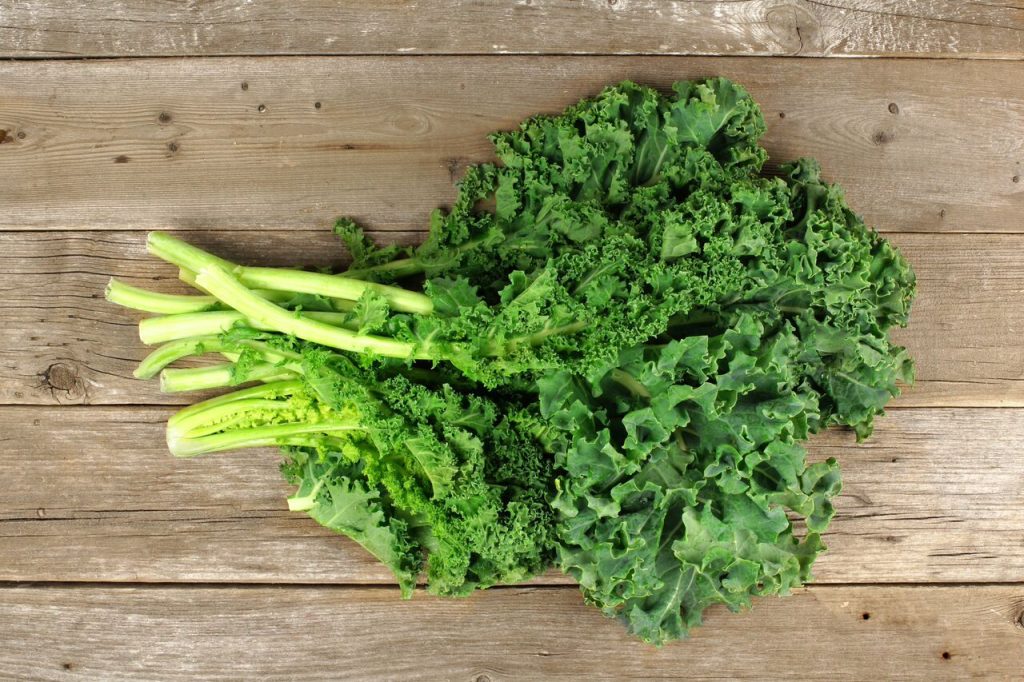
KALE: THE MAGIC VEGETABLE

Kale is a leafy green cruciferous vegetable that is chock-full of essential vitamins A, C and K as well as minerals like copper, potassium, iron, manganese and phosphorus. A cup of fresh kale has only about 40 calories but packs almost 3 grams of protein! One cup of cooked kale has over 1000% more vitamin C than a cup of cooked spinach and unlike spinach, kale’s oxalate content is very low which means that the calcium and iron in kale are highly absorbable in the human digestive system.

Possible Health Benefits of Consuming Kale

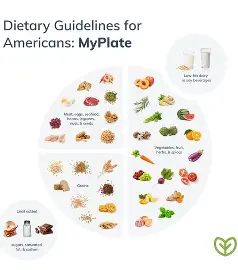
Diabetes: Studies have shown that type 1 diabetics who consume high-fiber diets have lower blood glucose levels and type 2 diabetics may have improved blood sugar, lipids and insulin levels. One cup of chopped fresh kale provides about 2.6 grams of fiber. The Dietary Guidelines for Americans recommends 21-25 g/day of fiber for women and 30-38 g/day for men.

Further, kale contains an antioxidant known as alpha-lipoic acid, which has been shown to lower glucose levels, increase insulin sensitivity and prevent oxidative stress-induced changes in patients with diabetes. Studies on alpha-lipoic acid have also shown decreases in peripheral neuropathyand/or autonomic neuropathy in diabetics.

Of note, most studies have used intravenous alpha-lipoic acid and it is unsure whether oral supplementation would elicit the same benefits.

Heart disease: The fiber, potassium, vitamin C and B6 content in kale all support heart health. An increase in potassium intake along with a decrease in sodium intake is the most important dietary change that a person can make to reduce their risk of cardiovascular disease, according to Mark Houston, M.D., M.S., an associate clinical professor of medicine at Vanderbilt Medical School and director of the Hypertension Institute at St. Thomas Hospital in Tennessee.

Other Benefits on Heart Health:

For blood pressure, increasing potassium intake may be just as important as decreasing sodium intake for lowering blood pressure because of potassium’s vasodilation effects.

You can count on kale to provide valuable cardiovascular support in terms of its cholesterol-lowering ability. Researchers now understand exactly how this support process works. Our liver uses cholesterol as a basic building block to product bile acids. Bile acids are specialized molecules that aid in the digestion and absorption of fat through a process called emulsification. These molecules are typically stored in fluid form in our gall bladder, and when we eat a fat-containing meal, they get released into the intestine where they help ready the fat for interaction with enzymes and eventual absorption up into the body. When we eat kale, fiber-related nutrients in this cruciferous vegetable bind together with some of the bile acids in the intestine in such a way that they simply stay inside the intestine and pass out of our body in a bowel movement, rather than getting absorbed along with the fat they have emulsified. When this happens, our liver needs to replace the lost bile acids by drawing upon our existing supply of cholesterol, and, as a result, our cholesterol level drops down. Kale provides us with this cholesterol-lowering benefit whether it is raw or cooked. However, a recent study has shown that the cholesterol-lowering ability of raw kale improves significantly when it is steamed. In fact, when the cholesterol-lowering ability of steamed kale was compared with the cholesterol-lowering ability of the prescription drug cholestyramine (a medication that is taken for the purpose of lowering cholesterol), kale bound 42% as many bile acids (based on a standard of comparison involving total dietary fiber).

Cancer: Kale and other green vegetables that contain chlorophyll have been shown to be effective at blocking the carcinogenic effects of heterocyclic amines, which are generated when grilling foods at a high temperature. If you tend to like your grilled foods charred, make sure to pair them with green vegetables to help negate these effects.

Bone health: Low intakes of vitamin K have been associated with a higher risk for bone fracture. Adequate vitamin K consumption is important for good health, as it acts as a modifier of bone matrix proteins, improves calcium absorption and may reduce urinary excretion of calcium. One cup of kale provides a whopping 550 micrograms of vitamin K, over 680% of our daily needs.

Digestion: Kale is high in fiber and water content, both of which help to prevent constipation and promote regularity and a healthy digestive tract.

Healthy skin and hair: Kale is high in vitamin A, a nutrient required for sebum production to keep hair moisturized. Vitamin A is also necessary for the growth of all bodily tissues, including skin and hair. Further, adequate intake of vitamin C, which kale contains in ample quantity, is essential for the building and maintenance of collagen, which provides structure to skin and hair. So if you are a skin, nail and hair care afficionado, go for it!

Iron-deficiency is a common cause of hair loss, which can be prevented by an adequate intake of iron-rich foods, like kale.

Kale is now suspected to provide comprehensive support for the body’s detoxification system. New research has shown that the isothiocyanates metabolized from kales’ glucosinolates can help regulate bodily detoxification at a genetic level!

Finally, researchers can now identify over 45 different flavonoids in kale. With Kaempferol and quercetin heading the list, kales’ flavonoids combine both antioxidant and anti-inflammatory benefits in a way that maximizes the vegetables’ ability to prevent of chronic inflammation and oxidative stress.

Risks and precautions:

This does not mean every and any one can indulge wantonly! Beta-blockers, a type of medication most commonly prescribed for heart disease, can cause potassium levels to increase in the blood. High potassium foods such as bananas should be consumed in moderation when taking beta-blockers.

Consuming too much potassium can be harmful for those whose kidneys are not fully functional. If your kidneys are unable to remove excess potassium from the blood, it could be fatal.

Conclusion: Whether you are using this super-vegetable for smoothies, for your pasta or rice to reduce its glycemic index, steamed, or raw in your salad, you can be sure that you are consuming a nutrient dense vegetable that is doing amazing good to you internally!

read more
GENERAL RESEARCHLIFESTYLE

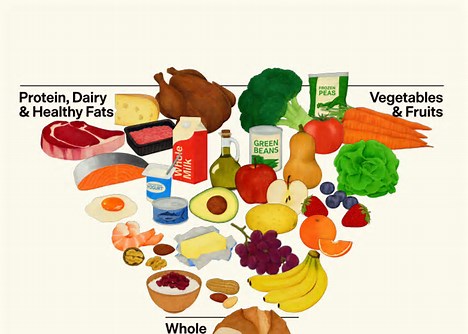
A Critical Look at the Dietary Guidelines for Americans 2025–2030 Food Pyramids

Where the Science Aligns—and Where Concerns Remain

The Academy of Nutrition and Dietetics has formally acknowledged the release of the Dietary Guidelines for Americans (DGAs), 2025–2030, a document that shapes nutrition policy, federal food programs, clinical counseling, and public understanding of healthy eating for the next five years. As with previous editions, many of the recommendations are grounded in well-established nutrition science. However, the newly released food pyramids and accompanying guidance also raise several important concerns that warrant careful scrutiny.

This critique expands on the Academy’s position, highlighting both areas of alignment and points where the guidelines appear inconsistent with the current body of evidence or present challenges for practical implementation.

What the Academy Supports

1. Emphasis on Nutrient-Dense Foods

The Academy supports the continued focus on nutrient-dense foods, including fruits, vegetables, whole grains, legumes, nuts, and seeds. These foods are consistently associated with improved cardiometabolic health, reduced chronic disease risk, and better overall diet quality. Their prominent placement in the 2025–2030 food pyramids reinforces long-standing evidence that plant-forward eating patterns are beneficial across the lifespan.

2. Limiting Highly Processed Foods and Added Sugars

Another positive aspect of the DGAs is the recommendation to limit ultra-processed foods and added sugars. Excess intake of added sugars has been linked to obesity, type 2 diabetes, cardiovascular disease, and dental caries. Encouraging Americans to reduce sugar-sweetened beverages, refined snacks, and desserts aligns with decades of public health research and previous guideline iterations.

3. Saturated Fat Cap Remains at ≤10% of Total Calories

The Academy supports maintaining the long-standing recommendation that no more than 10% of total daily calories come from saturated fat, while encouraging the replacement of saturated fats with unsaturated fats such as those found in olive oil, canola oil, avocados, nuts, seeds, and fatty fish. This approach is supported by strong evidence demonstrating improvements in lipid profiles and reduced cardiovascular disease risk when saturated fat is replaced—not merely reduced.

4. Greater Attention to Fiber and Gut Health

The increased emphasis on dietary fiber and microbiome health reflects emerging science linking fiber-rich diets to improved glycemic control, cholesterol reduction, gut integrity, immune function, and potential mental health benefits. Highlighting whole plant foods as key fiber sources is a welcome and evidence-based advancement.

Where the Academy Has Concerns

1. Mixed Messaging on Saturated Fat

Despite maintaining the ≤10% saturated fat limit, the 2025–2030 DGAs place visible emphasis on foods such as butter, beef tallow, red meat, and full-fat dairy within the food pyramids. This creates a fundamental inconsistency.

The preponderance of evidence shows that these foods are significant sources of saturated fat, which is associated with increased LDL cholesterol and higher cardiovascular disease risk. While these foods can technically fit into a diet below the 10% threshold, their visual and narrative prominence risks confusing consumers and may undermine efforts to reduce saturated fat intake at the population level—particularly in communities already exceeding recommended limits.

2. Limited Consideration for Dairy Alternatives and Dietary Diversity

The new guidelines continue to center dairy as a core food group, with insufficient attention to individuals who cannot or choose not to consume dairy due to lactose intolerance, milk protein allergy, cultural dietary patterns, ethical preferences, or plant-based eating choices.

Millions of Americans; particularly individuals of African, Asian, Hispanic, and Indigenous descent, experience lactose intolerance. Failing to equally emphasize nutritionally adequate non-dairy alternatives (such as fortified soy beverages or other calcium- and vitamin D–rich foods) may reduce the inclusivity and applicability of the guidelines.

3. Caution Around Low-Calorie Non-Nutritive Sweeteners

The DGAs emphasize moderation and caution regarding low-calorie non-nutritive sweeteners, despite the fact that the current evidence base generally supports their safety when consumed within established acceptable daily intake levels.

While ongoing research is appropriate, framing these sweeteners as a concern without equally emphasizing their potential role in reducing added sugar intake may inadvertently discourage their appropriate use; particularly for individuals with diabetes or those working to reduce caloric intake.

4. Overgeneralization of Concerns About Synthetic Food Dyes

Consistent with the Academy’s Nutrition Fact Check, the evidence suggests that a small subset of children may be sensitive to certain synthetic food dyes, particularly in relation to attention or behavioral outcomes. However, the overall findings remain inconsistent, and causality has not been firmly established.

The DGAs’ tone risks overstating the evidence, potentially fueling unnecessary fear or confusion among consumers. More nuanced language acknowledging the limited and mixed nature of current research—while calling for further study—would better reflect scientific consensus.

Implications for Public Health and Practice

“Some of the recommendations in the DGAs are not aligned with the current body of evidence and will create challenges for implementation, particularly across federal nutrition programs that serve millions of Americans,” said Deanne Brandstetter, President of the Academy of Nutrition and Dietetics.

“Registered dietitian nutritionists and nutrition and dietetics technicians, registered, play a critical role in applying the DGAs in ways that protect public health and meet the needs of a broad spectrum of populations. However, elements of this version of the guidelines will make that work difficult.”

This concern is particularly relevant for programs such as school meals, WIC, SNAP-Ed, and older adult nutrition services, where clarity, consistency, and evidence alignment are essential for effective implementation.

Health Implications of the 2025–2030 Food Pyramids

Beyond conceptual inconsistencies, the structure and emphasis of the new food pyramids may have real clinical implications for common chronic and diet-related conditions. Registered dietitians working in clinical, community, and federal nutrition programs must be particularly attentive to these downstream effects.

1. Constipation and Gastrointestinal Health

The DGAs appropriately emphasize fiber; however, the visual elevation of animal-based fats and lower-fiber foods (e.g., butter, tallow, red meat, full-fat dairy) risks crowding out fiber-rich plant foods in real-world eating patterns.

Low fiber intake remains widespread in the U.S., with most adults consuming less than half of recommended fiber intakes. Diets higher in saturated fat and animal products and lower in fruits, vegetables, legumes, and whole grains are associated with slower colonic transit time and increased constipation risk.

Implication:

If consumers interpret the pyramid as endorsing frequent intake of animal fats without equal emphasis on fiber targets (25–38 g/day), constipation prevalence, already high among older adults, children, and individuals with limited food access may worsen.

2. Gout and Hyperuricemia

The increased normalization of red meat and animal fats in the pyramid raises concern for individuals at risk of gout and hyperuricemia. Red meat and certain animal products are high in purines, which metabolize into uric acid.

Multiple studies show that plant-forward diets and lower intake of red and processed meats are associated with reduced gout risk, while saturated fat intake may impair renal uric acid excretion.

Implication:

Without clearer guidance, individuals with gout may misinterpret the pyramid as supportive of dietary patterns that increase flare frequency and medication dependence, rather than preventive nutrition therapy.

3. Kidney Disease (CKD)

For individuals with chronic kidney disease, dietary guidance must carefully balance protein source, saturated fat, sodium, phosphorus, and fiber. The pyramid’s emphasis on animal-based fats and proteins raises concern, as these foods are associated with:

  • Increased dietary acid load
  • Higher phosphorus bioavailability, which may be a concern with ESRD patients.
  • Greater cardiovascular risk in CKD populations

Plant-based and plant-dominant diets have been shown to slow CKD progression, improve metabolic parameters, and reduce mortality risk.

Implication:

The pyramid may complicate nutrition education for CKD patients by visually prioritizing foods that conflict with renal-protective dietary patterns, especially in dialysis and pre-dialysis populations.

4. Cardiovascular Disease (CVD)

Cardiovascular disease remains the leading cause of death in the United States, making dietary messaging around saturated fat critically important. While the DGAs retain the ≤10% saturated fat limit, the visual and narrative prominence of butter, tallow, red meat, and full-fat dairy undermines decades of evidence linking saturated fat replacement—not moderation alone—to improved cardiovascular outcomes.

Implication:

Mixed messaging may lead consumers to underestimate the cardiovascular impact of saturated fat, potentially increasing LDL cholesterol levels at a population level—particularly among individuals already at high cardiometabolic risk.

5. The Place Given to Whole Grains on the Pyramids’ Scheme:

Whole grains have been long been established as healthy sources of carbohydrates, which is the body’s preferred fuel source. Whole grains are high in fiber, b-vitamins and minerals and are a preferred for diabetic patients, children, and the general population. The placing of this food group on the pyramid suggests that it should be eaten as little as possible, even though the evidence states that the average person needs between 45-65% of energy from carbohydrate sources.

Implications:

There is a possibility that these guidelines could increase risk of ketoacidosis, especially in diabetic patients. Furthermore, unless a person is a vegan/vegetarian, on a keto diet or on a carnivorous diet, there is simply no evidence base for this guideline.

Overall Public Health Considerations

Taken together, these implications suggest that the 2025–2030 food pyramids may inadvertently promote dietary patterns that:

  • Worsen constipation through insufficient fiber displacement
  • Increase gout flare risk via higher purine and saturated fat intake
  • Complicate kidney disease management
  • Undermine cardiovascular disease prevention efforts

For federal nutrition programs, clinical settings, and community education, this creates added burden for registered dietitians, who must actively reinterpret and contextualize the pyramid to align recommendations with evidence-based medical nutrition therapy.

Closing Perspective

While the Dietary Guidelines for Americans remain an essential public health tool, their effectiveness depends on clarity, consistency, and inclusivity. As nutrition science continues to evolve, visual models such as food pyramids must accurately reflect not only theoretical nutrient targets, but also the real-world health consequences of dietary patterns—especially for populations living with chronic disease.

Registered dietitian nutritionists will continue to play a critical role in translating these guidelines into practical, individualized, and protective nutrition care—but doing so should not require correcting the very framework meant to guide the public.

read more
LIFESTYLE

Coca-Cola: The Toxic Relief

Coca cola has become the most consumed carbonated product in the world. It’s refreshing taste and crispy sweet feel has gotten many people near addicted to the thing. You probably don’t know that the toxic and health damaging ingredients used to make this product is what brings that very temporary feel that you near get addicted to. For example, it contains carbonated water, sodium benzoate, citric acid, orthophosphoric acid, aspartame, sodium cyclamate, food coloring and assorted aromas. It is important to look at each of these ingredients in order to truly understand what is included in the drink. Of course, the aromas are basically there to make the drink smell good so you will drink it.

*Orthophosphoric acid is one of the drink’s most abundant ingredients and simultaneously its most infamous. A scary thing about this particular ingredient is that it is so corrosive that it must be trucked in using special containers in order to guard against the containers becoming corroded by this ingredient. It is a frightening prospect to think of putting anything in your body that is so dangerous that it can corrode steel on contact. However, it is a prevalent ingredient in Coca-Cola. Inside the body, it typically prevents the absorption of calcium, leading to bone density problems. This in turn may lead to more serious problems later on such as osteoporosis and even broken bones. It also adversely affects the eyes and even the skin, often causing painful skin rashes that can lead to infections.

*High Fructose Corn Syrup: This is found in Coca-Cola Classic and is used to extend it’s shelf life as well as to contribute sweetener properties. Linked to obesity due to the pervasiveness of its presence, digestion of this substance promotes fat storage in the body as it is calorie dense. HFCS has also been associated with fatty liver disease and the much-dreaded diabetes.

*Sucralose: This is found in diet coke and is 600 times sweeter than regular sugar. Preliminary research has found that it can cause organ damage and intestinal complications as it is removed from the blood stream by the kidneys.

*Saccharin: This is an organic petroleum molecule, 300 times sweeter than sugar and should be avoided during pregnancy. It is used in Diet Coke and can cause brain tumors, cancers and can be especially harmful to children.

*Coca-Cola Light relies on aspartame in order to get its sweet taste. Aspartame is a sugar substitute which actually breaks down into methanol under certain conditions. The high level of phenylalanine and methanol in Aspartame could damage neurons, lead to memory loss, brain tumors and even cancer. Diseases associated with aspartame consumption include chronic fatigue syndrome, epilepsy, Alzheimer’s, Grave’s disease, multiple sclerosis and even brain tumors.

*Sodium cyclamate: This is an artificial sweetener that was originally banned by the FDA due to evidence that it could cause cancer. However, it was later determined by the World Health Organization that it was safe for human consumption and now appears in Coca-Cola as well as other products. However, the evidence that it has the potential to cause cancer still exists. It also causes infertility in men and diminishes testicles.

What Happens Within 1 hour of Coca-Cola Consumption:
Almost immediately after you finish drinking a can of Coca-Cola, you have what amounts to approximately 10 teaspoons of sugar in your body. It takes all this sugar approximately 20 minutes to cause the insulin in your blood to skyrocket as the liver starts changing the sugar into fat. This fat is then stored in your body and unlike fat from food, it is very difficult to get rid of. Approximately 40 minutes after you have consumed a can of regular Coca-Cola, the caffeine is affecting the body to the greatest extent. This causes your blood pressure and your heart rate to go up. You feel more awake, but you are also jittery and you may become irritable. Almost immediately thereafter, a chemical called dopamine is produced in your brain. This is a chemical that is designed to produce a sense of euphoria. It is also basically the same effect that heroin addicts experience when they shoot up. A few minutes later, and approximately 1 hour after you have consumed a can of Coca-Cola, your metabolism rises, but not in a good way. Zinc, magnesium and calcium are bound by the phosphoric acid contained in the brink. This means that your body is largely unable to use anything in the drink that may be helpful. Virtually all of the calcium in your body is then expelled in your urine. After that, you essentially experience the “crash” that comes after consuming large amounts of sugar because any positive effects have gone, leaving you feeling exhausted and mentally dazed.

read more
GENERAL RESEARCH

CARROTS: EFFECTS ON CANCER

It is well-known that all vegetables are packed with nutrients. Carrots have been widely publicized to virtually “make the blind see” but is that all they do? Here’s a rundown of the different health benefits one could gain from eating carrots:
Carrots are naturally rich in vitamins, antioxidants and dietary fiber (a medium-sized carrot (61g) contains 6 grams of carbohydrates, with 1.5 grams of fiber). Further, they only offer 41 calories for every 100 grams, are high in potassium, with a negligible fat content and no cholesterol, making them great for health and weight loss.

These crunchy orange roots also pack a punch in vitamin A and beta-carotenes, which have been found to help protect from developing mouth and lung cancers, and are great for the eyes (evidently their biggest selling point). These compounds, along with flavonoid compounds, help protect the skin as well.
Research conducted by the scientists at the University of Newcastle discovered that falcarinol found in carrots may help prevent cancer, as it destroys cells that are pre-cancerous. However, it is important to note that this study was conducted on laboratory animals and not human subjects.
Fresh carrots are also rich in vitamin C, giving about 9% of the RDA. Vitamin C helps keep the gums, teeth and connective tissues healthy. Its antioxidant properties also help the body be protected from various diseases caused by free radicals.
The root is also rich in B-complex vitamins, such as vitamin B6, folic acid, thiamine and many more. These are co-factors to certain enzymes that are needed for substrate metabolism. Carotenes are changed by the liver into vitamin A, which is essential for the maintenance of good vision, sperm production and skin integrity, plus normal growth and development.

Now we are done with the general information, let us see what the latest research says about carrots and cancer.


Carrots and Cancer Research:

In a landmark study, research conducted in the UK and Denmark found that falcarinol found in carrots reduced cancerous tumors by 1/3 in mice and rats with lab induced cancers. Additionally, a human study discovered that consumption of carrot juice increased blood levels of carotenoids in breast cancer survivors. Further, the researchers believed that increased carotenoid blood levels may have cancer-preventing properties.

The experiment was conducted using raw carrots so researchers do not yet know if eating boiled carrots or drinking carrot juice, for example, would have the same effect.
Falcarinol is toxic in large amounts but to obtain a lethal dose you would have to eat 400 kilograms of carrots at once. Researchers suspect it is effective because it stimulates mechanisms in the body that fight cancer, although they have yet to carry out a detailed analysis in this respect.

Carrots are full of nutrients, which is why people should include these in their diets. These root crops can help people become healthy as well as prevent the onset of various diseases, including cancer. Young and tender carrots are the best ones, as they are sweet and equally chuck full of life-giving nutrients. What’s more? You can enjoy them roasted, boiled, blended in smoothie, and as juice.

What a versatile king?!

read more
GENERAL RESEARCHMEN’S HEALTHWOMEN’S HEALTH

TAKE YOUR OATS!

Witty topic right? I know, lol! 

Whole grains, such as oats, are often recommended for their beneficial effects on the gastrointestinal tract. The role that beneficial bacteria in the human digestive tract play in human health is an area of great interest, with potential health effects ranging from immune health to reducing risk for obesity and chronic disease. This piece is long overdue, as it provides a viable and delicious alternative to the everyday cereal, garnished with preservatives and enriched with sugar and sodium which do nothing but wreck havoc on the metabolic health of adults and children alike. Asides from providing that rich dietary fiber for your normal flora to feast on (with undeniable benefits), oats are nutrient-dense superfoods which contain complex carbohydrates (amazing for diabetic patients), protein, unsaturated fats, vitamins B1, B5, B6, Folate, E, manganese, phosphorus, magnesium, iron, zinc, copper, selenium, among others. Oats are also high in phytochemicals and antioxidants such as avenanthramides (which is discussed in some detail below) and phenolic acids.

This post is not exhaustive of the health benefits this wonderful grain portends, but it attempts to make a compelling argument for you to try it today! Therefore, some benefits of oatmeal include:

Cardiovascular Benefits:

A review of the most recent and compelling studies on oats and oat bran and cardiovascular disease risk factors concluded that oats and oat bran lower total cholesterol and LDL-C by respectively 2-19 percent and 4-23%; the effects are particularly prominent among people with high cholesterol levels. Oatmeal also contains a special type of antioxidant called avenanthramide. Avenanthramides fight off free radicals that attack high-density lipoproteins, or HDL (good cholesterol). They also protect LDL cholesterol from oxidizing from copper, which reduce the risk of developing cardiovascular disease. The cholesterol-lowering effect of oat beta-glucan depends on its viscosity in the small intestine, and therefore its molecular weight. A high molecular weight means it can be released from the food matrix during digestion and form a viscous gel inside the small intestine.

Staves off Weight Gain:

Oats are a miracle for those who want to lose weight! Beta-glucans helps prevent weight gain by providing satiety for a longer period thereby delaying hunger while the body makes use of fat reserves, and voila! boop boop goes the pounds from the scale.

Blood Glucose Sterilization:

Oats are high in fiber which help in stabilizing blood sugar. This is especially relevant to diabetics who require blood glucose regulation. Aside from fiber, oatmeal is also a good source of magnesium, which regulates the body’s insulin and glucose levels.

Prevents Hardening of Arteries:

Avenanthramides not only protect against heart disease, but they also prevent the arteries from hardening. Those antioxidants suppress the production of molecules that allow monocytes to adhere to the walls of the arteries. Research has shown that postmenopausal women who eat six servings of whole grains a week reduced their risk of developing atherosclerosis, which is the build-up of plaque along the passageways of the arteries, and slowed the progression of stenosis, which causes the passageways of the arteries to narrow. When paired with vitamin C, the cardiovascular benefits of oatmeal are enhanced, so drink a glass of orange juice or eat some citrus with your oatmeal.

Boosts Immune System:

Oatmeal’s beta-glucan fiber protects against heart disease and also keeps the immune system active. It helps the immune cells seek out and repair areas or the body that may be fighting a bacterial infection.

Oats and Hangovers:

Oats can neutralize the acidic environment which results from drinking and is contributory to that terrible hangover feeling. Further, as hangovers are the result of the toxins found in alcohol, a bowl of porridge can genuinely help to relieve the symptoms. Oats also contain one of the highest levels of soluble fiber of any cereal, and soluble fiber is essential for healthy digestion. Alcohol reduces sugar levels and the slow-releasing carbohydrates in porridge help redress this. The soluble fiber and complex carbohydrates also found in porridge release energy slowly, thereby ensuring a slow but steady supply of sugar and glycemic stability. So, eating a bowl for breakfast should see you comfortably through to lunch time, even with a hangover.

Nature’s Own Viagra:

Porridge oats improve the libido in both men and women by balancing testosterone and estrogen levels. Basically, low testosterone means low sex drive. If you have this problem then porridge could well be the answer, it’s got to be worth a try.

Oats make a great substitute to the notorious sugary cereals we have on the shelves nowadays, and can be enjoyed with milk, peanut powder and fruit as a filling and nutritious breakfast. To add even more value to the meal, carrots, strawberries and cabbage could be added to it to make your breakfast a complete one.

In all, remember that moderation is key. Do not go crazy on the stuff as oats also contain phytates which interfere with iron, zinc, calcium and magnesium absorption in the small intestine.

Hasta la vista, baby!!

read more
1 2 3 4
Page 1 of 4