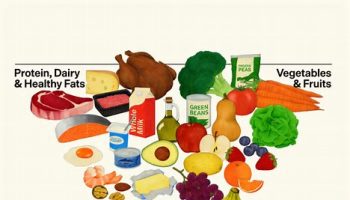
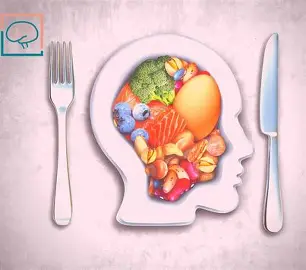
Just as the body needs fuel, so does the brain. You probably already know that a diet based on fruits, vegetables, whole grains, “healthy” fats (such as olive oil, nuts, fish) and lean protein will provide lots of health benefits, but such a diet can also improve memory. But for brain health, it’s not just what you eat—it’s also what you don’t eat. The following nutritional tips have been shown boost brainpower and reduce risk of dementia.
1.) Load up on Omega-3s: More and more evidence indicates that omega-3 fatty acids are particularly beneficial for brain health. Fish is a particularly rich source of omega-3, particularly cold water “fatty fish” such as salmon, tuna, halibut, trout, mackerel, sardines, and herring. In addition to boosting brainpower, eating fish may also lower your risk of developing Alzheimer’s disease. If you’re not a fan of seafood, consider non-fish sources of omega-3s such as walnuts, cashew nuts, kidney beans and spinach, and soybeans.
2.) Limit calories and saturated fat: Research shows that diets high in saturated fat (from sources such as red meat, whole milk, butter, cheese, cream, and ice cream) increase your risk of dementia and impair concentration and memory. Further, eating too many calories in later life can cause obesity and also increase the risk of cognitive impairment.
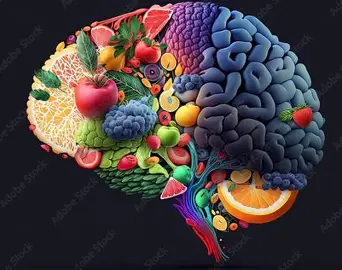
3.) Load up on Fruit and Vegetable: Fruits and Veggies are packed with antioxidants, substances that protect your brain cells from damage. Colorful fruits and vegetables are particularly good antioxidant “superfood” sources. Try leafy green vegetables such as spinach, lettuce, broccoli, and fruit such as berries, apples, cherries, pineapples, and so on. It is also important to include a variety of fruit and vegetables with a “rainbow” assortment of colors. Various colors in these healthy gifts of nature signify a different content of phytochemicals and antioxidants. Consume your daily meals with a side of vegetables and eat fruit instead of sugary snacks in between meals.
4.) Drink green Tea: Green tea contains polyphenols, powerful antioxidants that protect against free radicals that can damage brain cells. Among many other benefits, regular consumption of green tea may enhance memory and mental alertness and slow brain aging.

5.) Drink Wine (or Grape Juice) in Moderation: Keeping your alcohol consumption in check is key, since excessive alcohol kills brain cells and may lead to weight gain, with related comorbidities. However, in moderation (around 1 glass a day for women; 2 for men), alcohol may actually improve memory and cognition. Red wine appears to be the best option, as it is rich in resveratrol, a flavonoid that boosts blood flow in the brain and reduces the risk of Alzheimer’s disease. Other resveratrol-packed options include grape juice, cranberry juice, fresh grapes and berries, and peanuts.
For mental energy, choose complex carbohydrates:
Your brain needs fuel from carbohydrates to perform at its optimum. Just like any highly active organ, the brain needs energy to process information, form and recall memory, and solve problems. The brain consumes about 6g of carbohydrates per hour under normal conditions. However, the type of carbs you choose makes all the difference. Carbohydrates fuel your brain, but simple carbs (sugar, white bread, refined grains) give a quick boost followed by an equally rapid crash. There is also evidence to suggest that diets high in simple carbs can greatly increase the risk for cognitive impairment in older adults. For healthy energy that lasts, choose complex carbohydrates such as whole-wheat bread, brown rice, oatmeal, high-fiber cereal, lentils, and whole beans. Avoid processed foods and limit starches (potato, white pasta and rice) to no more than one quarter of your plate.
Other fruits that Enhance Cognitive Function and Memory Include:
*Avocado: Avocados are a rich source of monounsaturated fats, omega 3, and omega 6 fatty acids. These increase blood flow to the brain, lower cholesterol, and aid in the absorption of antioxidants. Avocados also come with many antioxidants of their own, including vitamin E, which protect the body and the brain from free radical damage. They are also a good source of potassium and vitamin K—both protect the brain from the risk of stroke. I love to use avocado pear as butter for my bread or as a side with rice; try it sometime.
*Coconut Oil: Coconut oil contains medium chain triglycerides that the body uses for energy, sparing glucose for the brain. It has also been shown to have a beneficial effect on blood sugar, blood pressure, and cholesterol. Anything that benefits the heart and circulation also benefits the brain. Coconut oil acts as an anti-inflammatory as well and has been linked to helping prevent Alzheimer’s and dementia.
*Beans and Legumes: Beans and legumes are excellent sources of complex carbohydrates. Beans and legumes are also rich in folate—a B vitamin critical to brain function—and essential omega fatty acids which has been elucidated aforehand.
*Dark Chocolate: The flavonols in chocolate improve cardiovascular function, which in turn improves cognitive function and memory. Chocolate also improves mood, can ease pain, and is full of antioxidants.
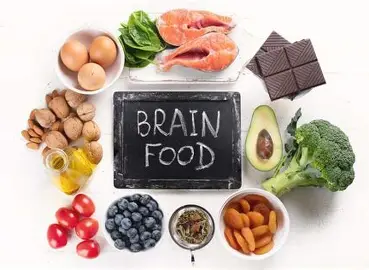
*Nuts: Nuts, especially walnuts and almonds, are extremely good for the brain and nervous system. They are great sources of omega 3 and omega 6 fatty acids, vitamin B6, and vitamin E. Vitamin E has been shown to prevent many forms of dementia by protecting the brain from free radicals, and it improves brain power. Remember to focus on unsalted options due to the deleterious effects of sodium on the heart. Also, if you are trying to lose weight, limit nuts as they are high in calorigenic due to their high content of oils.
*Tomatoes: Tomatoes contain lycopene, a very powerful antioxidant that combats dementia and may improve mood balance too just like watermelons.
NOTE: No diet therapy takes full effect within the snap of your fingers but it’s effects are longer lasting than drugs. Be patient and over time you’d notice a tremendous improvement in your memory holding capacity.
Further, diet has not been shown to boost IQ. What nutrition would do, however, is to enhance and optimize your already existing brainpower.
Cheers.