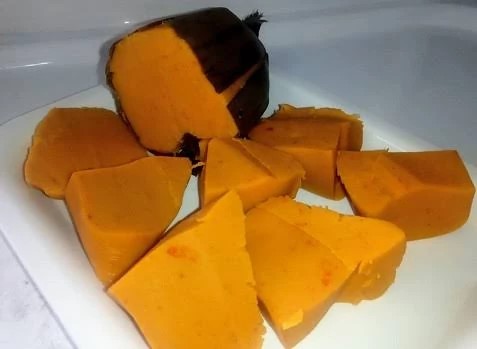
Anyone who has been to Enugu (or Nuskka precisely) cannot deny having come across this meal. You see it on the heads of young women, or in their wheelbarrows early in the mornings, brimming with steam and tantalizing the nasal cavity. I remember back in the day in the Lions’ den, okpa was a major delicacy. A sure cure to hunger, palatable with minerals, tea and bread or just like that on the go. At Eni-Njoku hostel particularly, I remember boys lining up before the okpa seller early in the morning before lectures just to treat their tummies to the Nsukka delicacy. Yes, it did originate from there. Well, either that or they prepared it enviably well. I always knew by virtue of my profession that it is a very rich food especially it’s amino acid profile. Now, I want to introduce this Eastern Nigerian delicacy formally with a hint into everything it has to offer, good and bad.
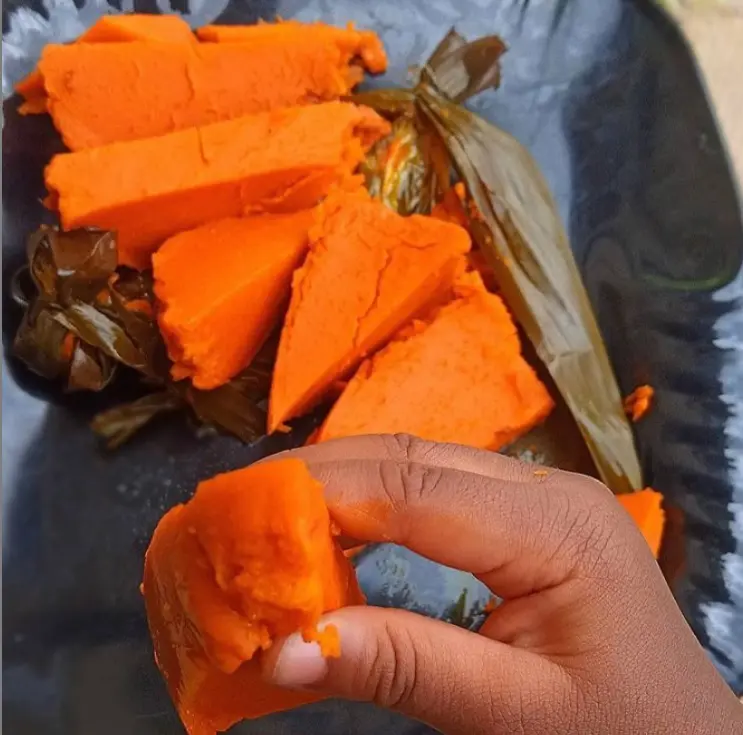
Brief Overview
The Bambara nut seed consist of 49%-63.5% carbohydrate, 15%-25% protein, 4.5%-7.4% fat, 5.2%-6.4% fiber, 3.2%-4.4% ash and 2% mineral compared to whole fresh cow milk 88% moisture, 4.8% carbohydrate, 3.2% proteins, 3.4% fat, 0.7% ash, and 0.01% cholesterol. Its chemical composition is comparable to that of soybean. Furthermore, BGN has been reported to be a potential crop, owing to its nutritional composition, functional properties, antioxidant potential, and a drought resistant crop. Bambara groundnut milk (BGNM) had been rated higher in acceptability than milk from other legumes like soybean and cowpea. Probiotics have been defined as live microorganisms which when administered in adequate amount confer a health benefit on the host. These benefits have been reported to be therapeutic, suppressing the growth and activity in conditions like infectious diarrhea, irritable bowel syndrome, and inflammatory bowel disease. The probiotic profile of BGNM is substantial enough to sustain the growth of normal flora in the gut. BGNs are normally boiled and salted, eaten as a relish or roasted, or as a snack. Hence, BGNM can also be fermented with lactic acid bacteria to make a probiotic beverage that not only increase the economic value of the nutritious legume but also help in addressing malnutrition.
1.) Reduces danger of stomach cancer
The antioxidant properties of the fatty acids in the Bambara groundnuts have the capacity to suppress the production of carcinogenic substances in the stomach. Further, it prevents any damage or irritation to the mucus lining of the stomach.
2.) Antimicrobial action
Bambara groundnut milk is more easily acceptable as compared to the milk from other legumes in its species due to its probiotic content. Probiotics are microorganisms, which have been claimed to provide health benefits to the humans and animals. These benefits to the recipients are subduing the development and action of the microbes in infection such as IBS (irritable bowel syndrome), diarrhea, and IBD (inflammatory bowel disease).
3.) Rich source of lysine
The human body cannot produce lysine; hence, it has to be dependent on external supplements of the same. Bambara groundnut is generously gifted with this essential amino acid.
4.) Lowers Cholesterol
Lysine is an essential element which aids in ensuring proper growth and plays a very important role in the manufacture of carnitine. Carnitine, in turn, is a nutrient responsible for the breakdown of fatty acids to provide energy to the body, thereby lowering cholesterol levels.
5.) Maintains Healthy Bone
Lysine also aids in the absorption of calcium for the proper growth of the bones in the body. Further, Bambara groundnuts have been found to contain a decent amount of calcium itself! Additionally, the high amino acid content of the nut helps in the generation of collagen, which is essential for connective tissue formation, such as tendon, skin, cartilages and bones.
6.) Fights Kwashiorkor
Bambara-nut plays is an important source of protein nourishment in rural areas and impoverished communities. This helps forestall Kwashiorkor, a protein deficiency commonly seen in malnourished children.
RECENT RESEARCH ON EXTRACTS OF BAMBARA NUT
*The extract from the nut of Voandzeia subterranean particularly the protein extracts can be used directly in cosmetic formulations and provides specific properties and notable particular effects. The nut can be used quite freely to replace the high-prized lumps of meat without sacrificing adequate nutrition.
*The fatty acid present in the nut oil is among the essential fatty acids needed in the body. These fatty acids are primarily cofactors for hormone-like substance which regulate a wide range of bodily functions. The nut also contain tannin which is one of the anti-nutritional factors. The unique properties and composition of Bambara nut make it serve as a balanced food which contains almost all the vital nutrients that promotes good health.
*These fatty acids are used to produce hormone like substances that regulate wide range of functions. They regulate blood pressure, blood clothing and blood lipid level and inflammation response to injury infections. Therefore, they are essential in human diet since there are no synthetic mechanisms available for their production in the human body.
*Linoleic acid is one of the most important polyunsaturated fatty acids in human food of its ability to prevent distinct heart vascular disease. Research shows that bambara nut oil is predominantly made of the unsaturated palmitoleic acid, oleic acid, lineleic acid and caprylic acid. This predominance of the unsaturated fatty acids and high iodine value index indicate that oil from bambara nut of Nigeria is of unsaturated type.
Potential Constraints:
A.) Like most legume seeds, Vigna subterranea seeds contain antinutritional factors such as trypsin inhibitors, phytates and tannins, including condensed tannins in the seed coat. Tannin content is correlated with coat color, the cream-colored seeds containing less tannin than brown or black seeds. Tannins can be deleterious to livestock performance though they have beneficial nutritional properties in some cases (by-pass protein in ruminants, anthelminthic effect).
B.) The Vigna subterranea seed is reported to have higher antitryptic activity than soybean and the level of activity depends on the variety (landrace). Heat treatments such as boiling or roasting are usually effective in destroying trypsin inhibitors.
C.) Phytates are found in high proportions in Vigna subterranea seeds and are known to reduce cation availability (calcium particularly).
D.) Cooking and other forms of processing (e.g. soaking, milling, hulling, germination, fermentation) reduce the concentration of antinutritional factors. However, processing does not always increase the feeding value.
I know you must have learnt something new about our “okpa” Enugu delicacy.
MERRY CHRISTMAS!